Before any wallpaper goes up in Old Goa, look at the bottom half-metre of the wall. Low ground beside the Mandovi stays wet through the monsoon, and ground-floor walls in the colonies and old wards can show a line of rising damp; paper must never cover that. Such a wall is a case for PVC panels once it has been treated. The old houses have a further limit: lime plaster needs to breathe and should not be shut in behind vinyl, so there the paper goes on a later brick partition, if anywhere. Upper-floor flats in the newer buildings are much more forgiving. Use vinyl wallpaper with anti-fungal paste throughout, because the humidity reaches every storey.
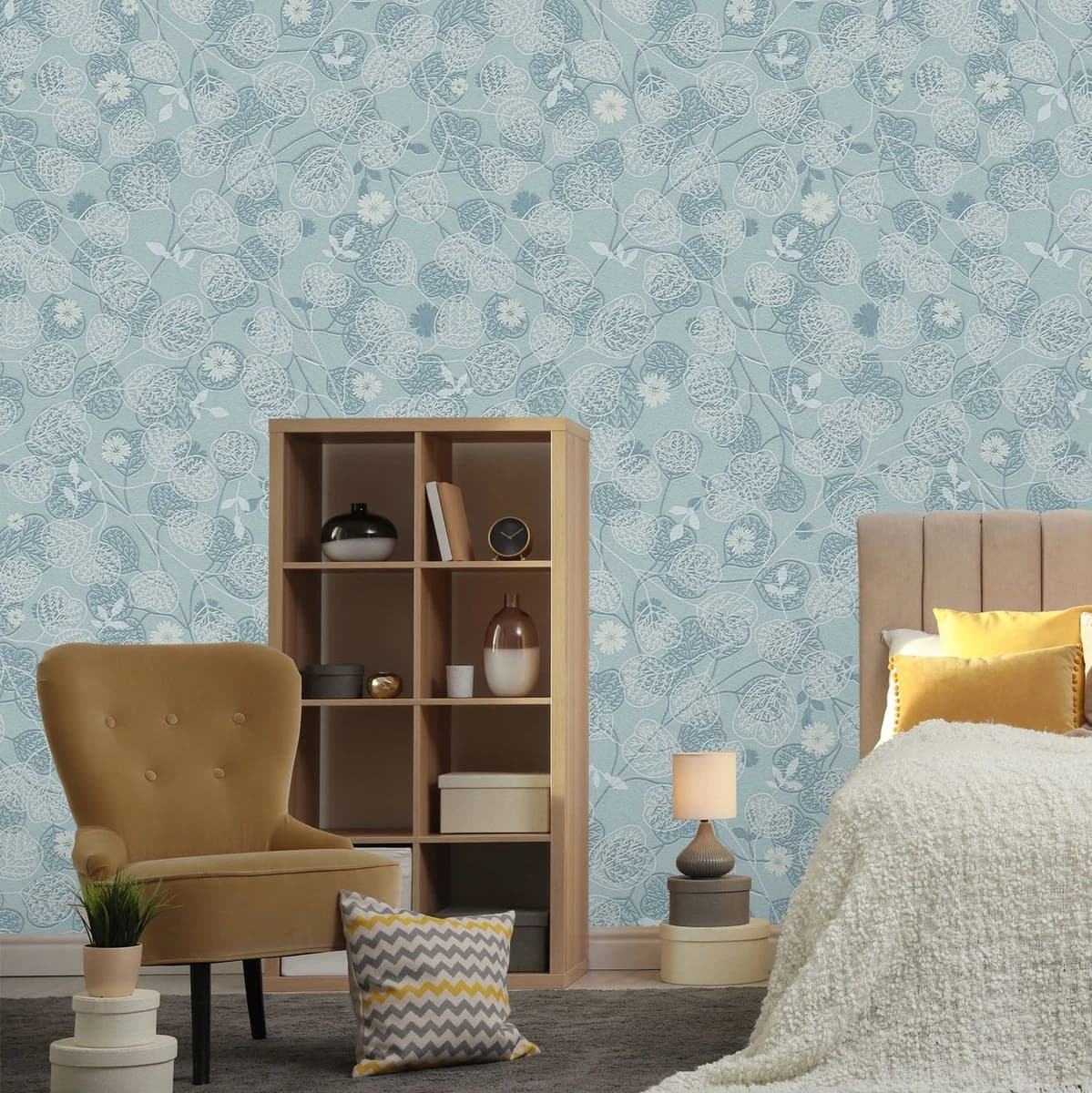
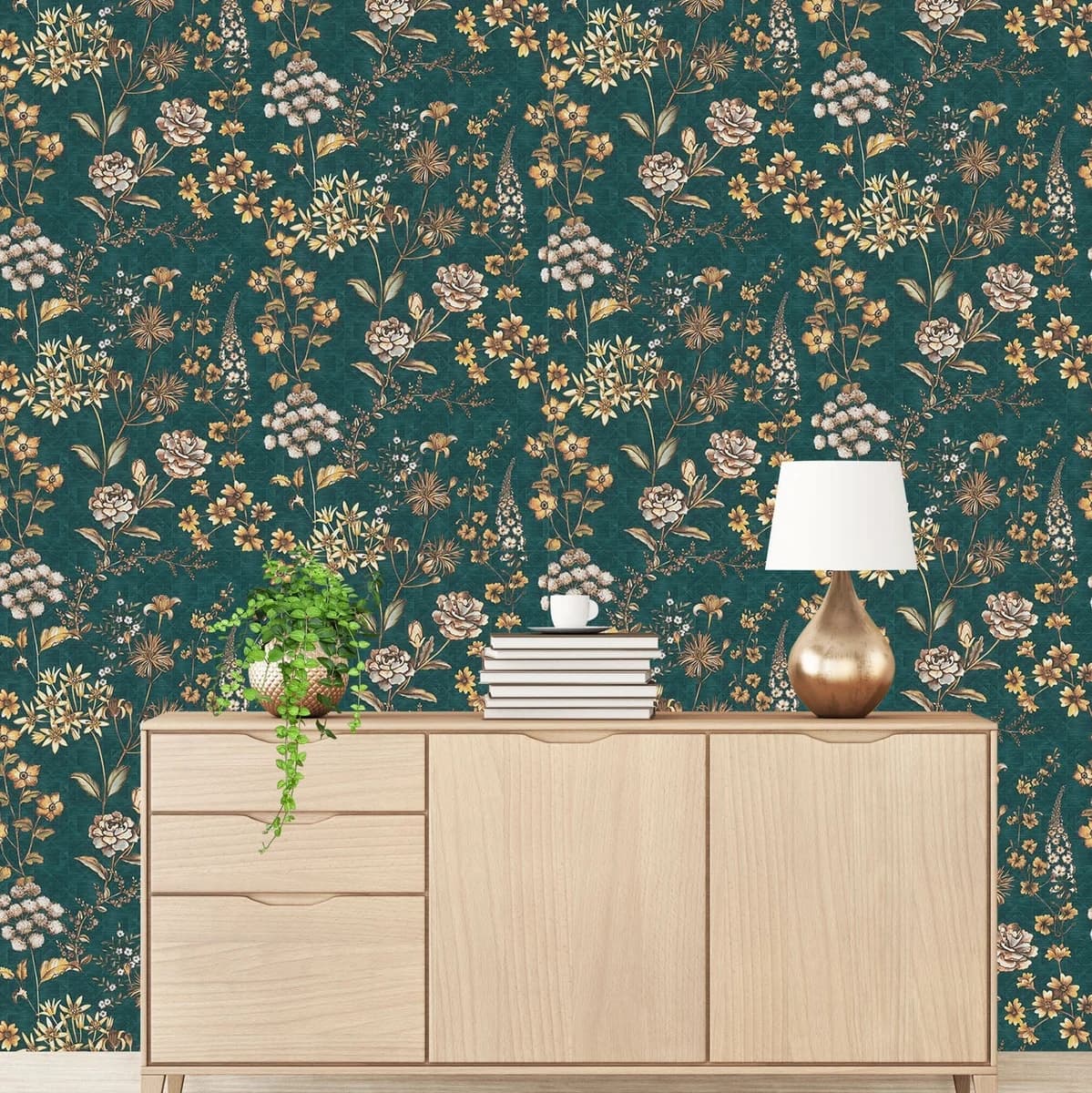
- Upper-floor flats along the highway: vinyl wallpaper on an inner bedroom or living-room wall, away from the weather side.
- Old lime-plastered houses: wallpaper only on newer partition walls, with the original thick walls left in breathable paint.
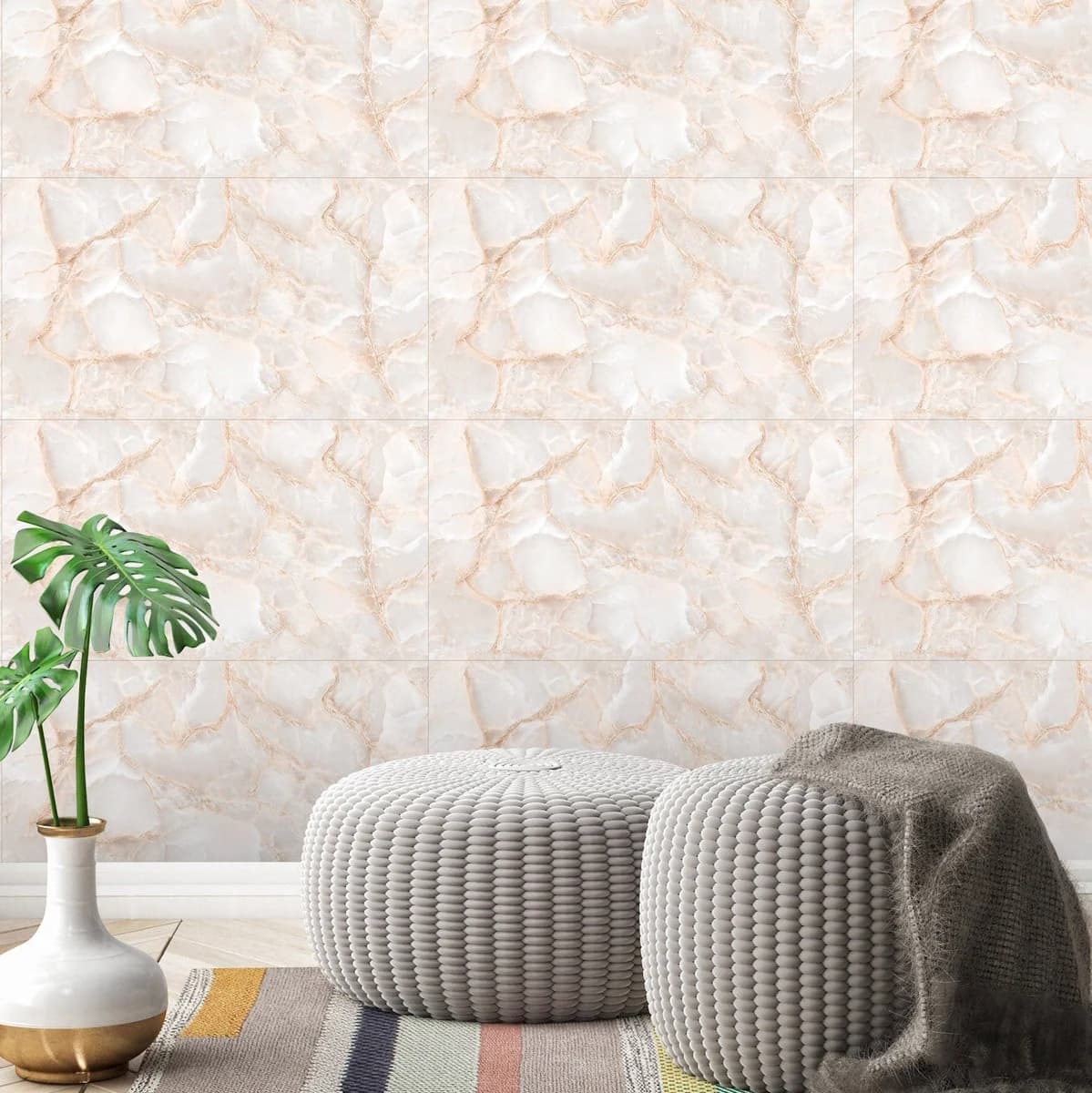
- Ground-floor rooms on wet ground: PVC wall panels instead of paper wherever the plaster shows a damp line.
Old Goa was the capital of Portuguese India, and its great churches, including the Basilica of Bom Jesus and the Se Cathedral, are a World Heritage Site. Today it is a small town on the Mandovi, east of Panjim, with residential colonies and villages spreading around the monuments.
People live in housing colonies, new apartment buildings along the highway and older houses in the surrounding wards. The area is quiet and has drawn families who work in Panjim but want more space.
Old Goa lies beside the river and is humid, with low ground that stays wet in the monsoon. It is inland enough that salt is not a concern.
Old Goan houses
Old walls are lime-plastered and need to breathe. Sealing them under vinyl can trap moisture, so a wall is tested first, and loose or powdery plaster is made good. Often the answer is to paper a later partition wall and leave the old lime walls painted.
Riverside and backwater homes
Walls near water hold damp at the base. Wallpaper should stop above any tide mark of rising damp, and the wall should be treated first. Vinyl papers with anti-fungal adhesive cope with humidity; paper-backed and fabric wallpapers do not.