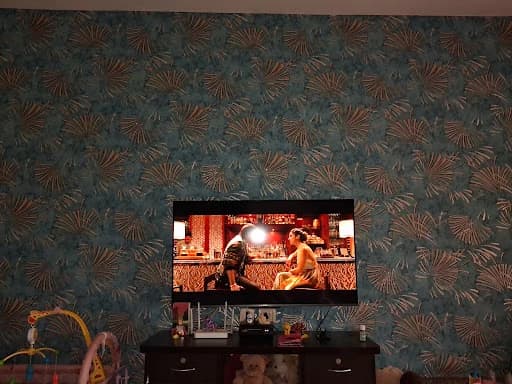
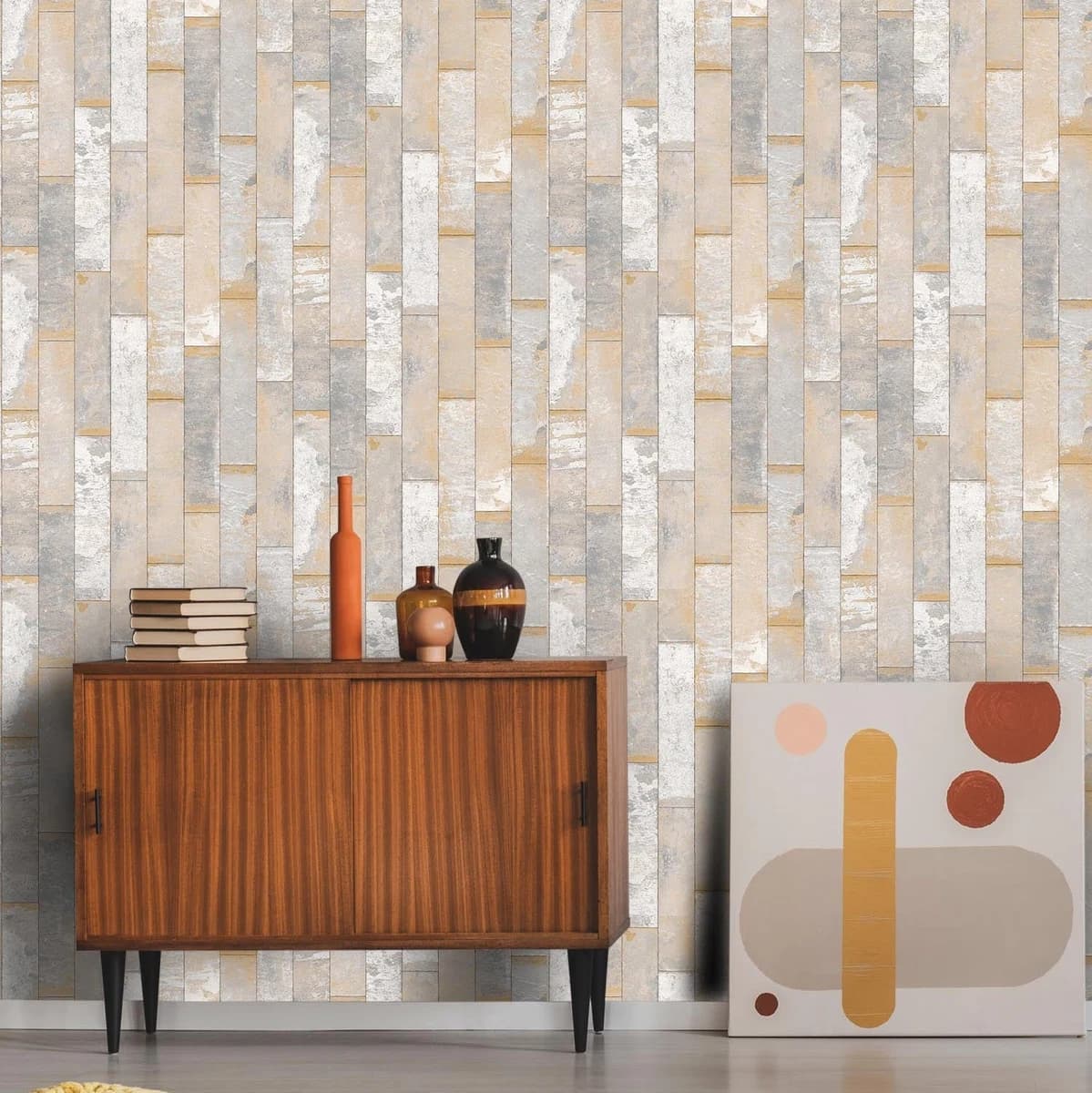
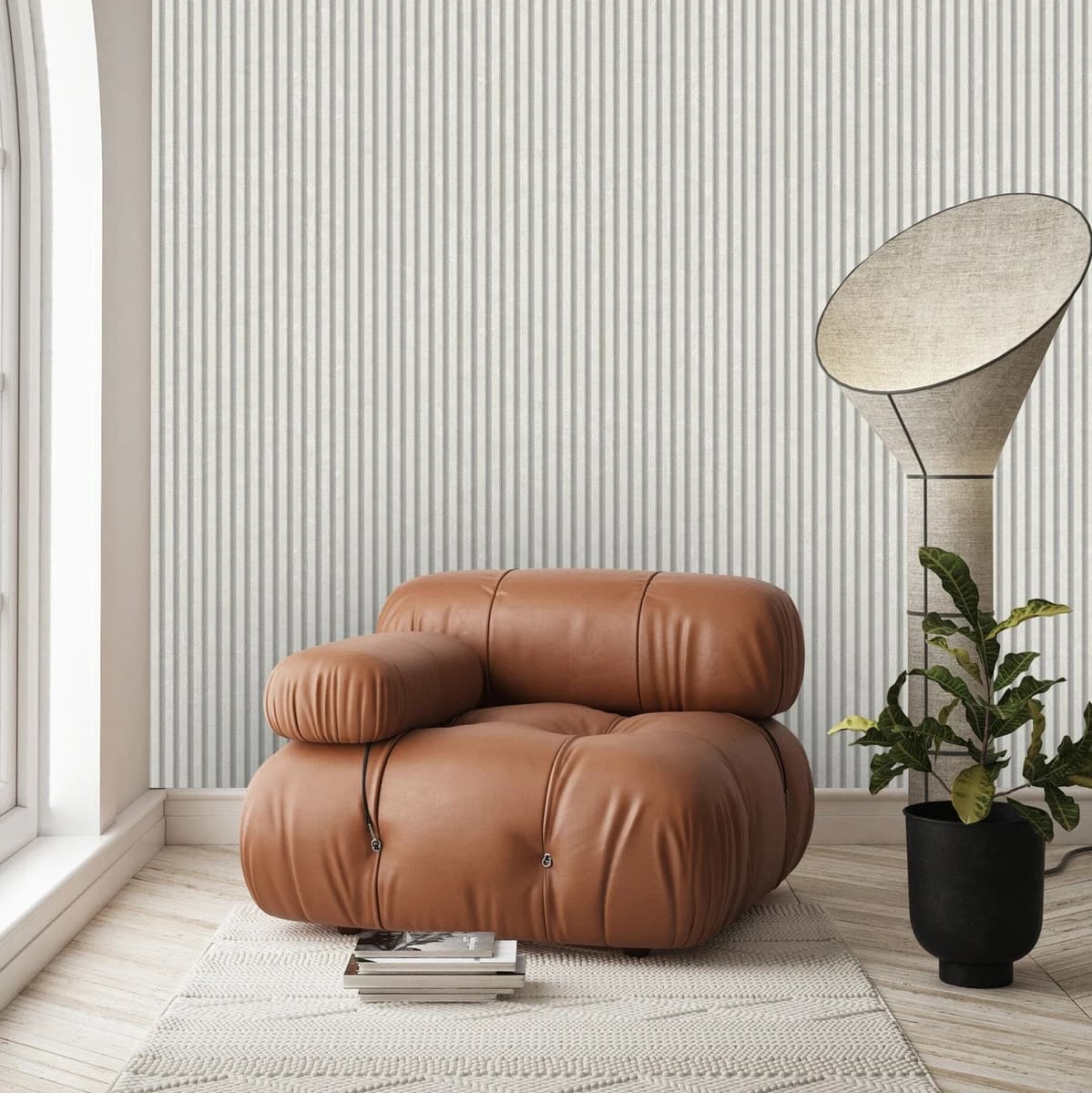
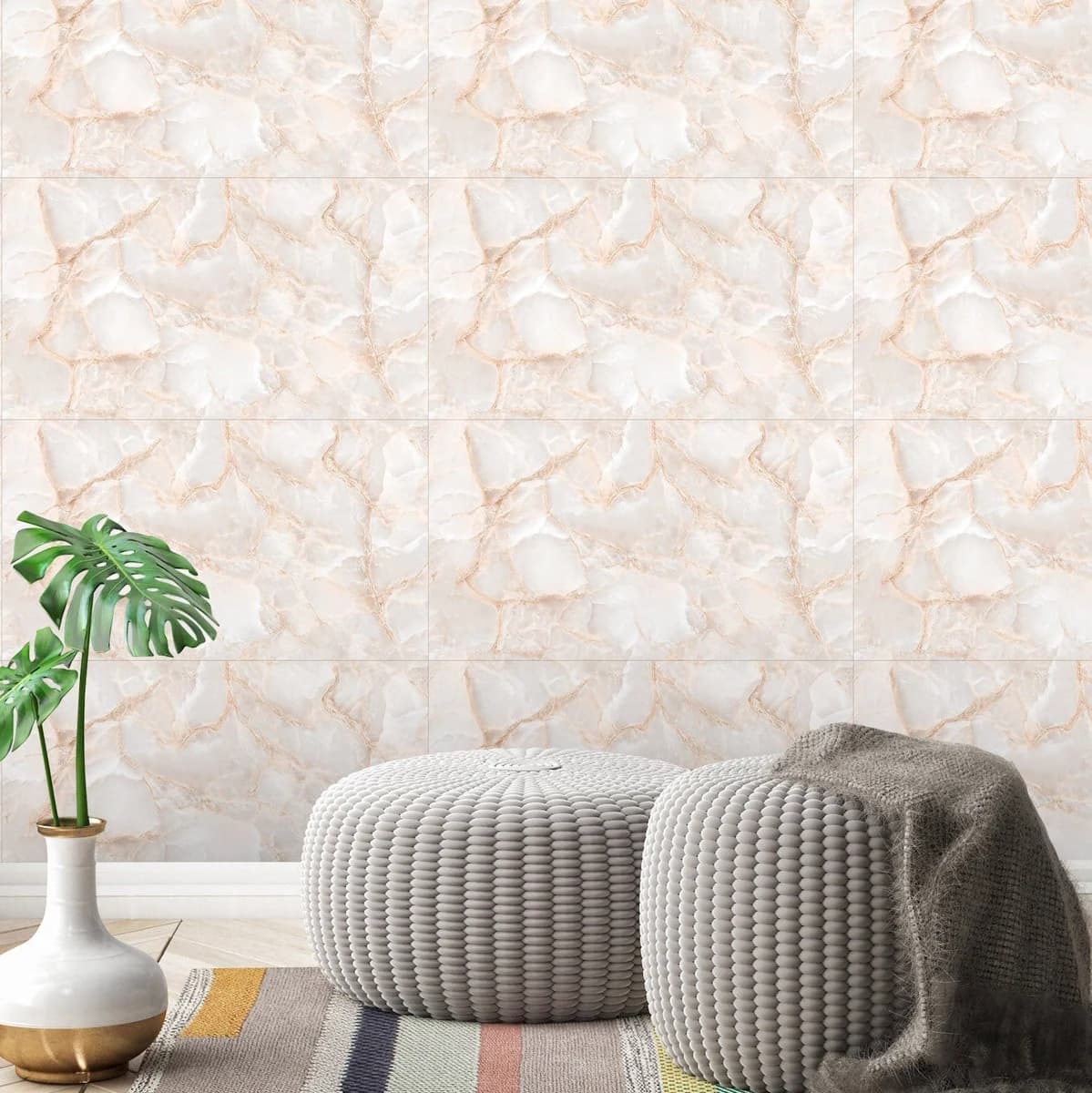
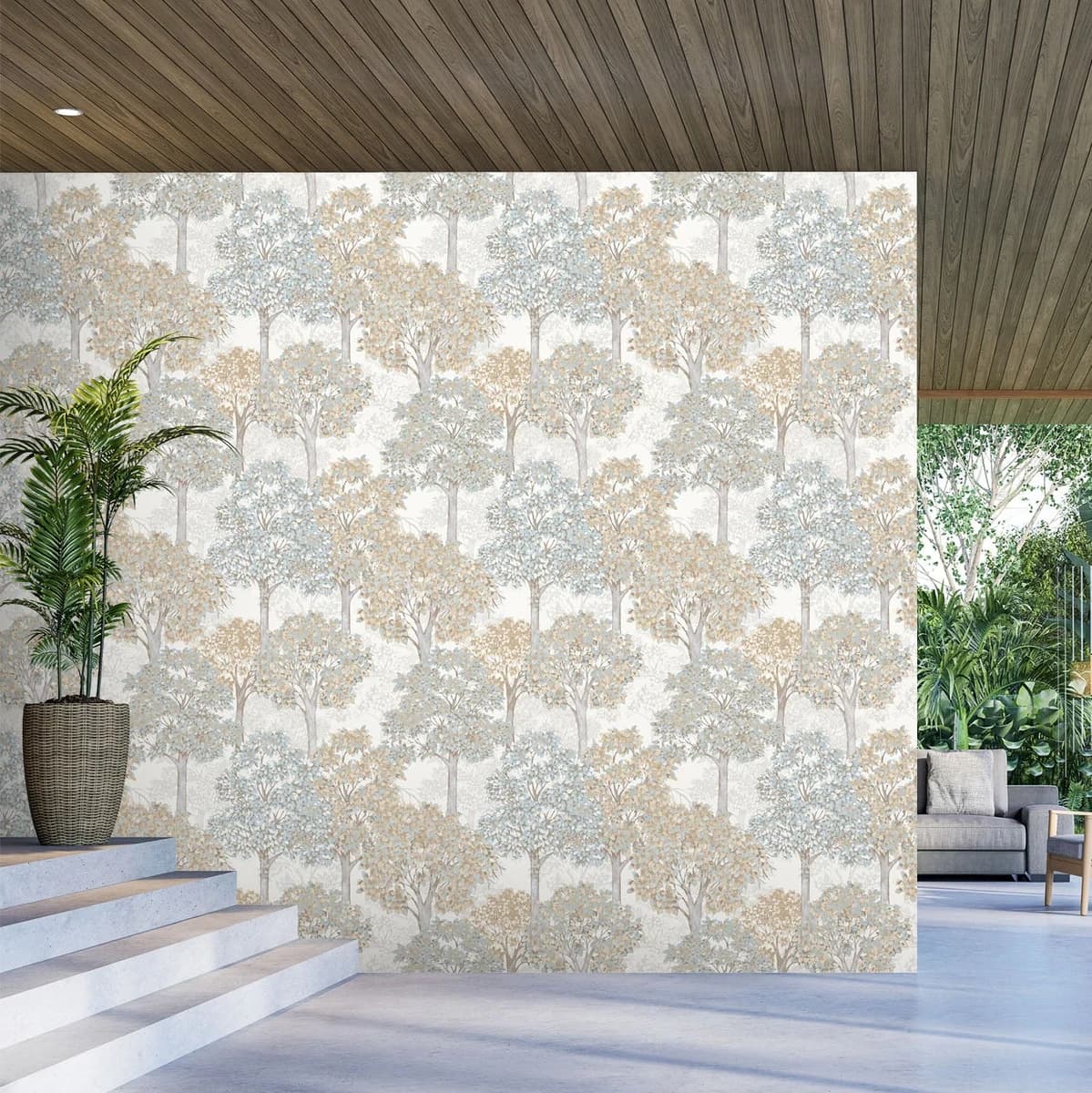
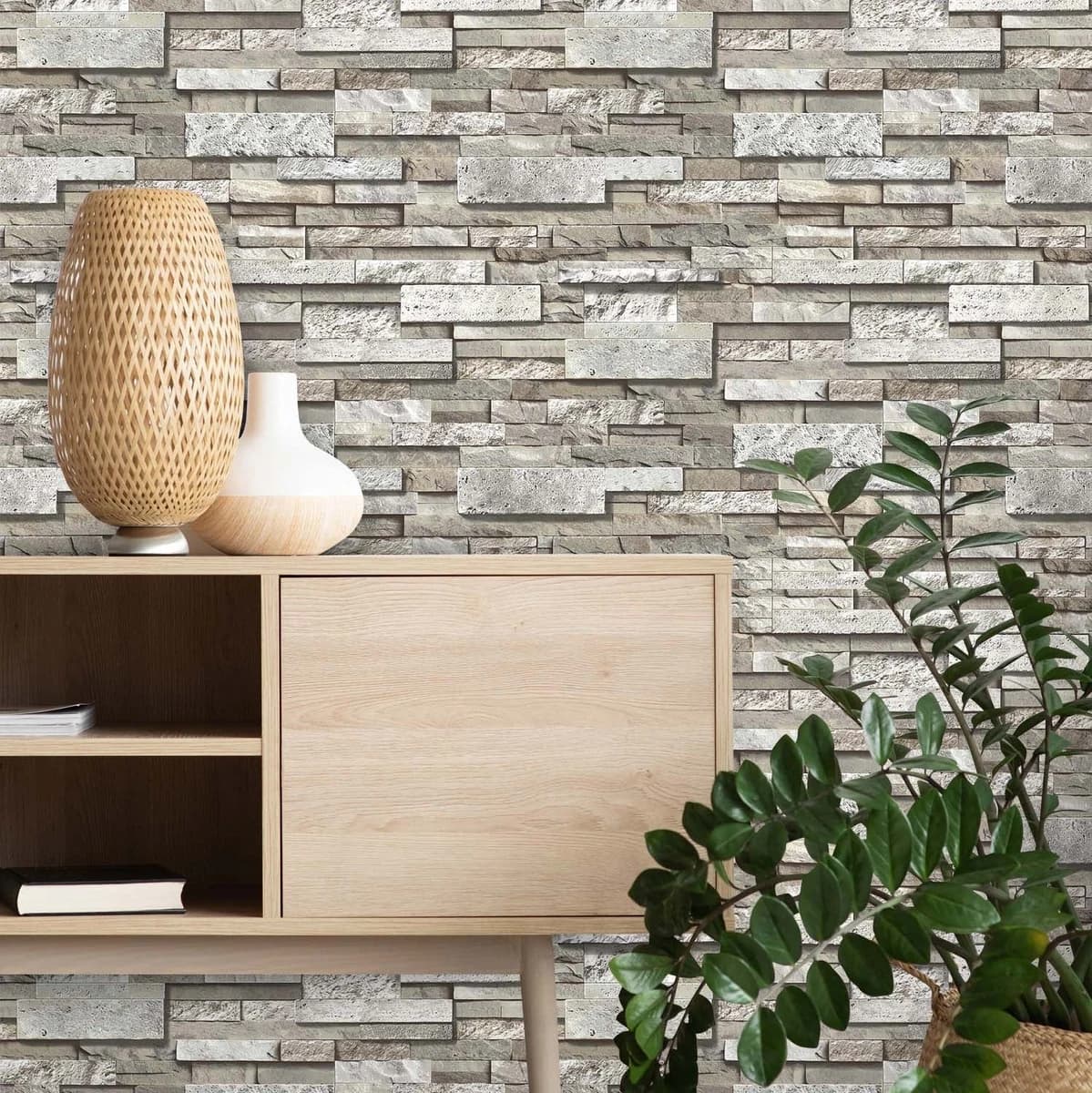
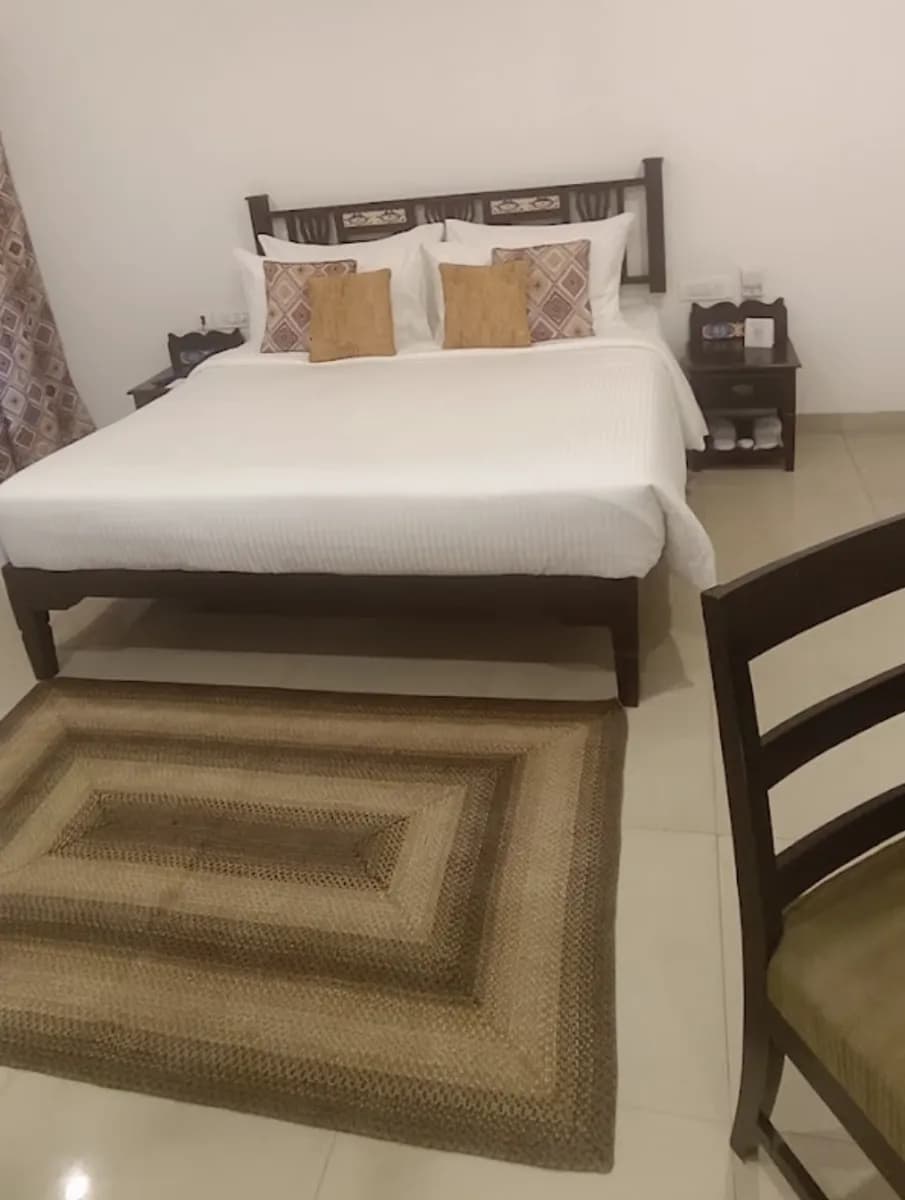
Corlim sits inland, and most of its walls are plain brick and cement in flats and row houses, which is good ground for wallpaper. Two local things narrow the choice. First, the dust from industry and the Ponda road clings to flocked and deeply textured papers, so a smooth vinyl that can be wiped is the practical pick, in a pattern or a darker tone that hides the film between cleans. Second, the low ground towards the river is humid; a ground-floor wall there should be tested for damp, and given PVC panels in place of paper if it fails. Outer walls that face the monsoon need the same test.
- Living rooms in apartment buildings: a single wall of smooth patterned vinyl behind the sofa, wiped with a damp cloth when dust settles.
- Office receptions in the estate: a hard-wearing plain vinyl on a dry inner wall, well away from loading doors and open shutters.
- Homes on the humid low ground: paper only on upper-floor inner walls; damp ground-floor walls get PVC panels, never wallpaper.
Corlim lies just east of Old Goa on the road to Ponda. It is known for its industrial estate and has grown into a residential area for people who work there and in Panjim, with housing colonies and apartment buildings.
Homes are mostly modest flats and row houses, with some staff housing. Offices and units in the industrial estate account for part of the work.
Corlim is inland. Industry and the Ponda road bring dust, and the low ground towards the river is humid.
Homes near the port, airport and industrial estates
Fine dust clings to textured and flocked papers. Smooth vinyl wallpaper can be wiped down, and darker or patterned designs hide the film that settles between cleans.
Inland homes
Dry inland walls are the kindest to wallpaper. Almost any type can be used, including textured and fabric-backed papers. The risk here is a wall that takes the full monsoon rain from outside, which should be checked for seepage before papering.