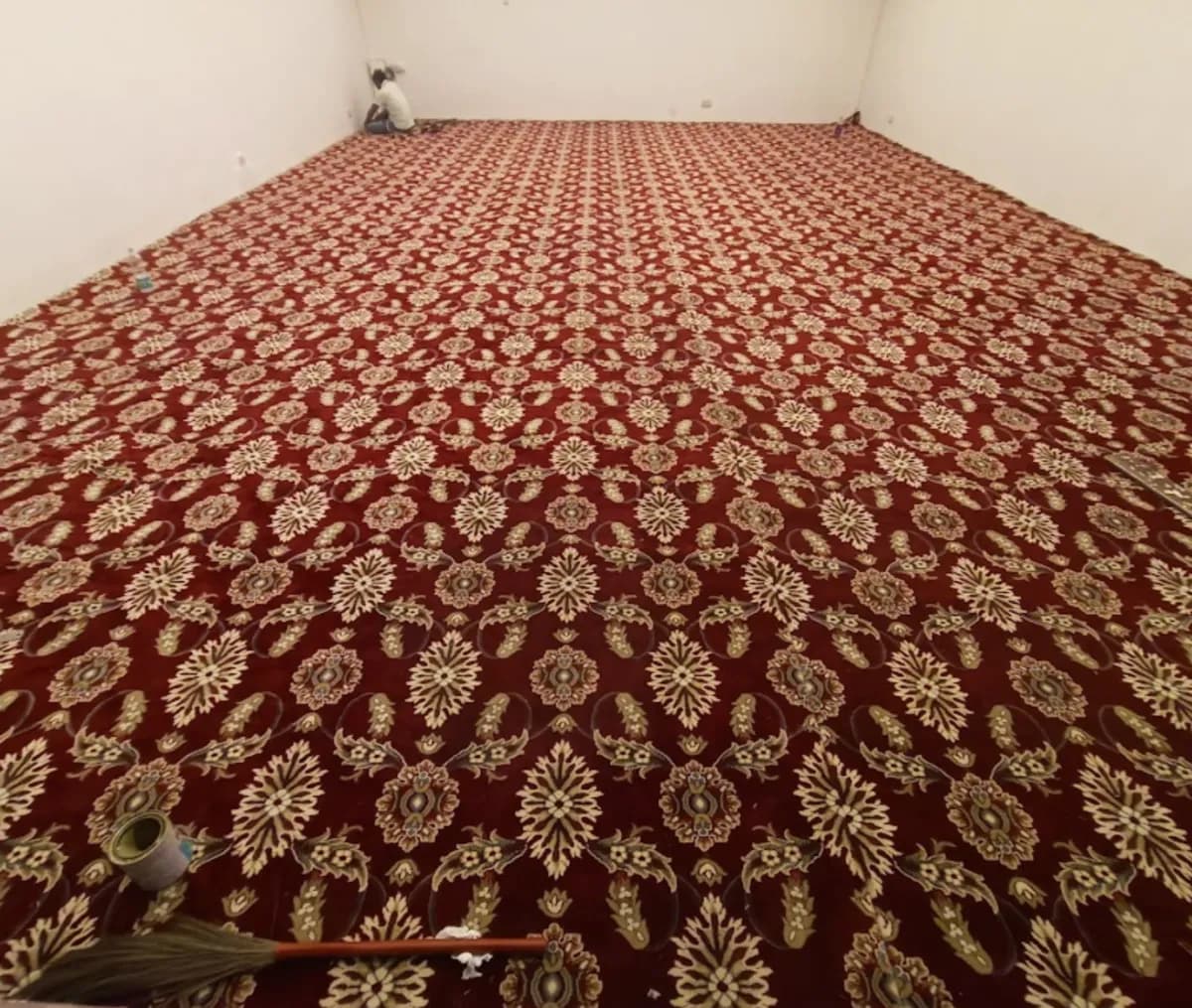
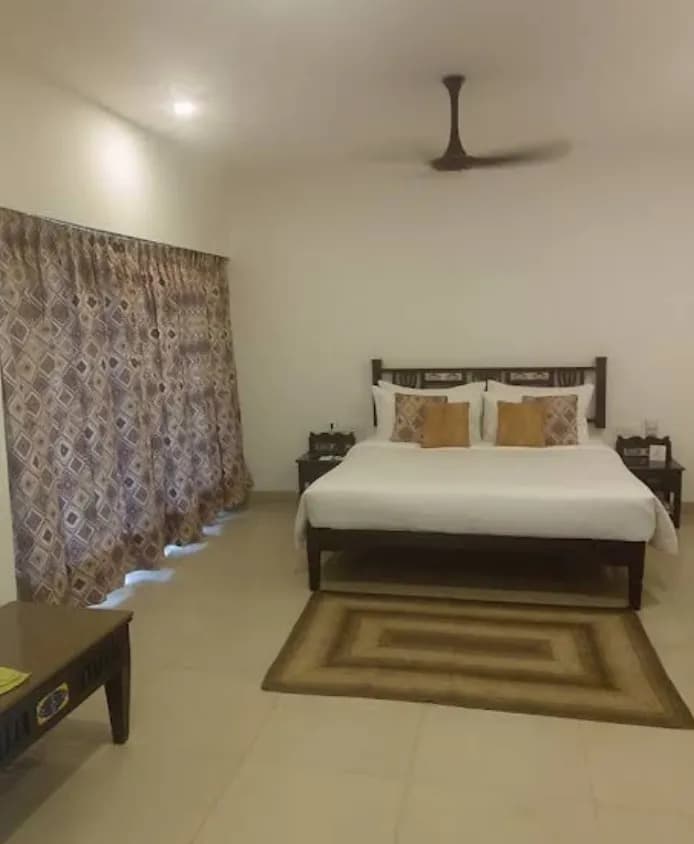
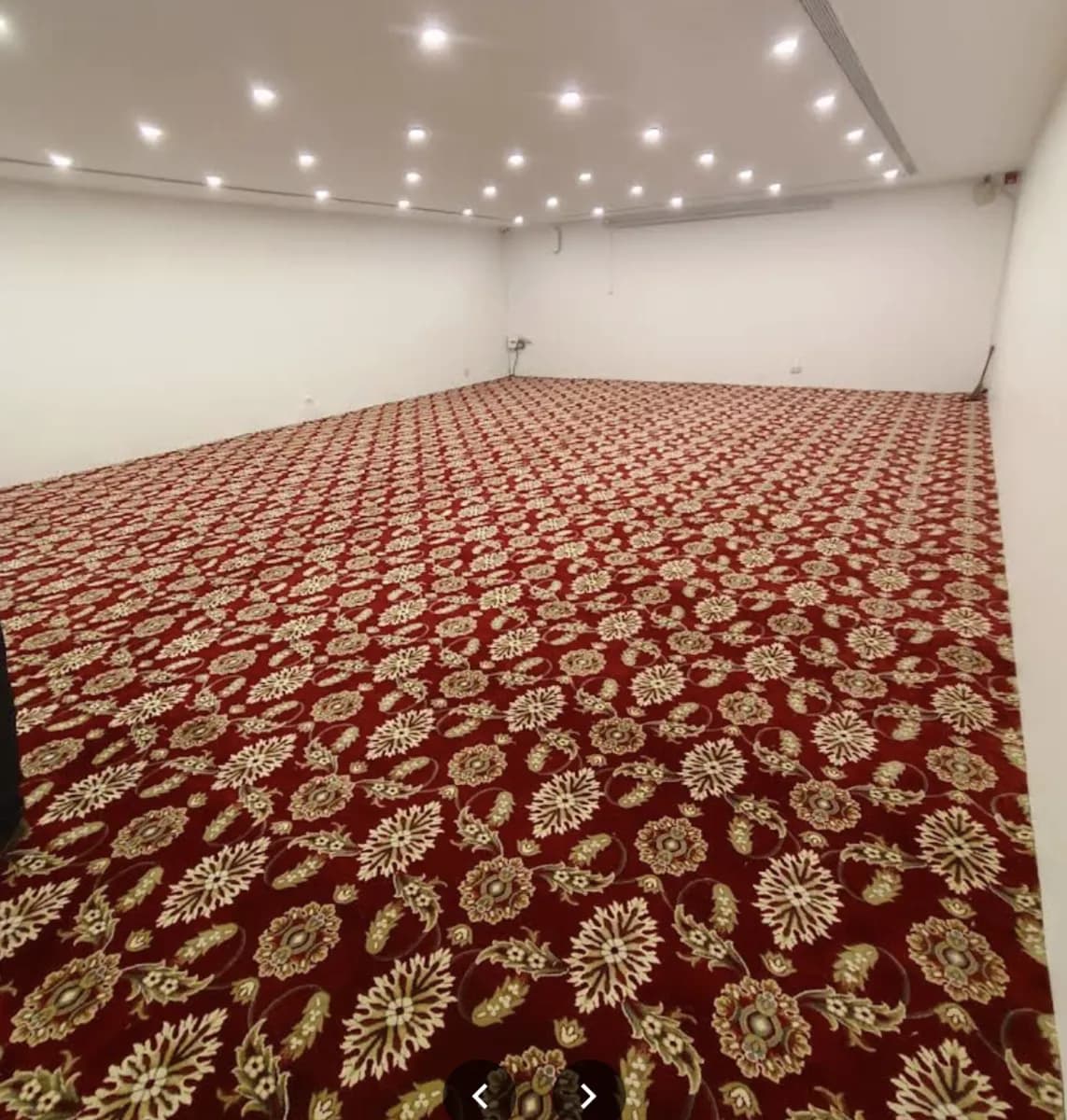
Every pair of shoes in Marcaim brings in a little of the estate: grit from the truck roads that cuts into soft, deep pile and dulls it. A synthetic rug with a short, dense pile stands up to it, helped by a stout mat at every door. The village's two levels matter as well. Homes up near the estate are dry enough for a cotton dhurrie or a wool rug; in the old houses on the low land towards the river the floor is damp in the monsoon, so keep to loose rugs without rubber backs and lift them to dry. Offices in the estate suit a dark-flecked, hard-wearing fitted carpet.
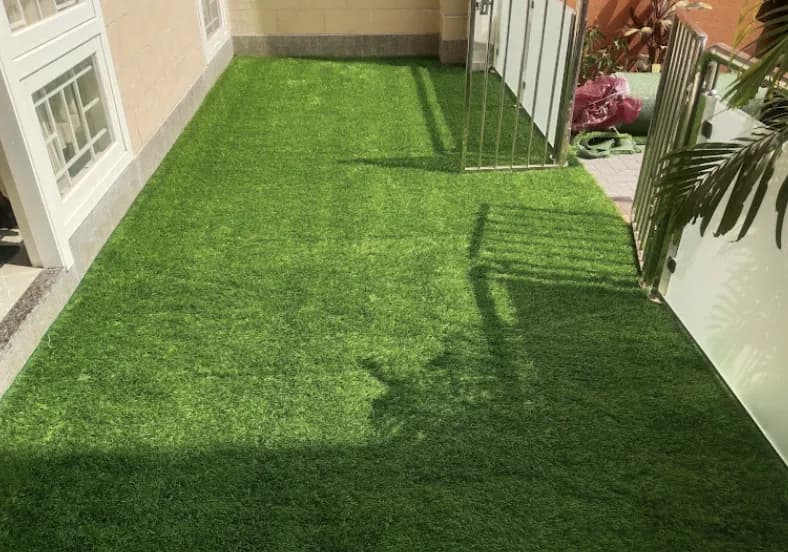
- Entrances of homes on the truck routes: a coarse mat on the step, then a short-pile polypropylene rug indoors, both easy to shake out.
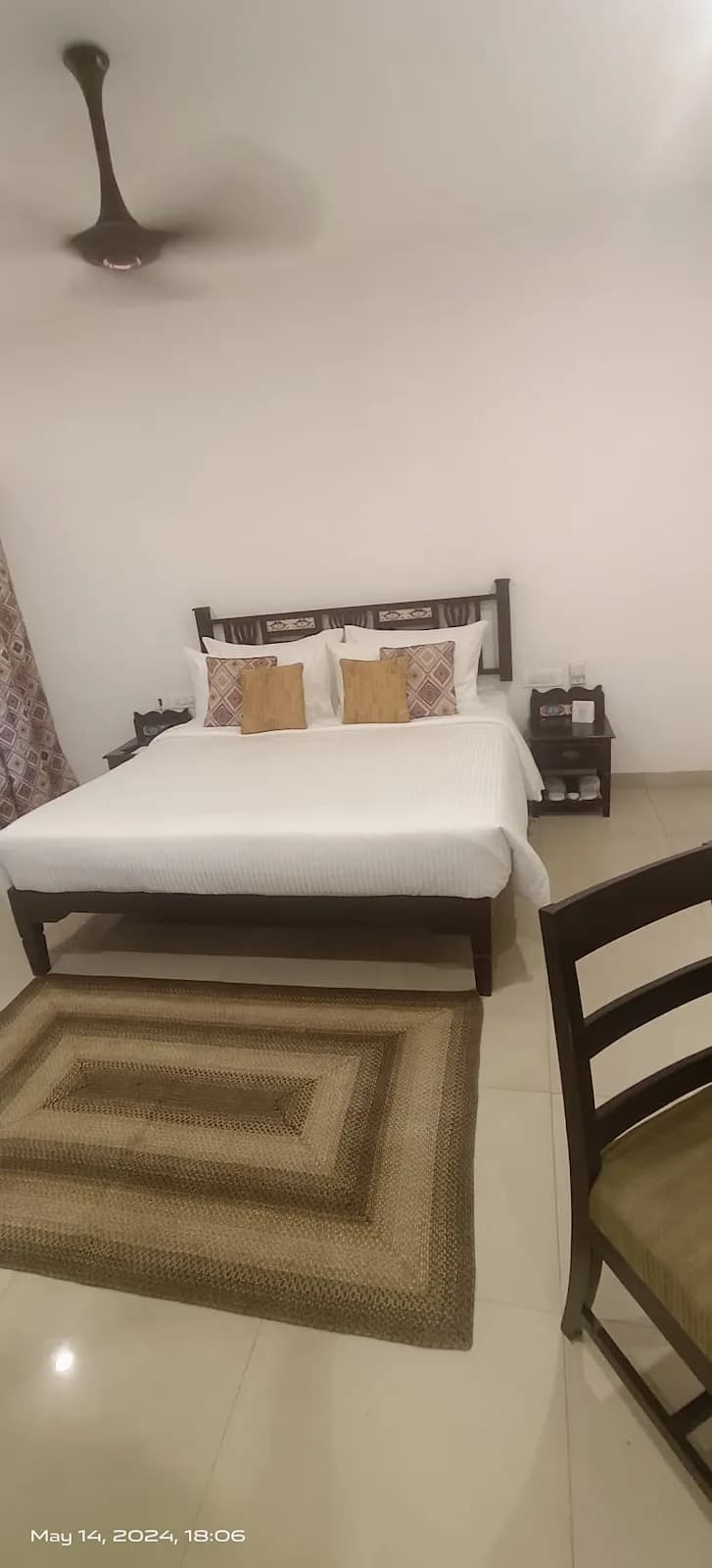
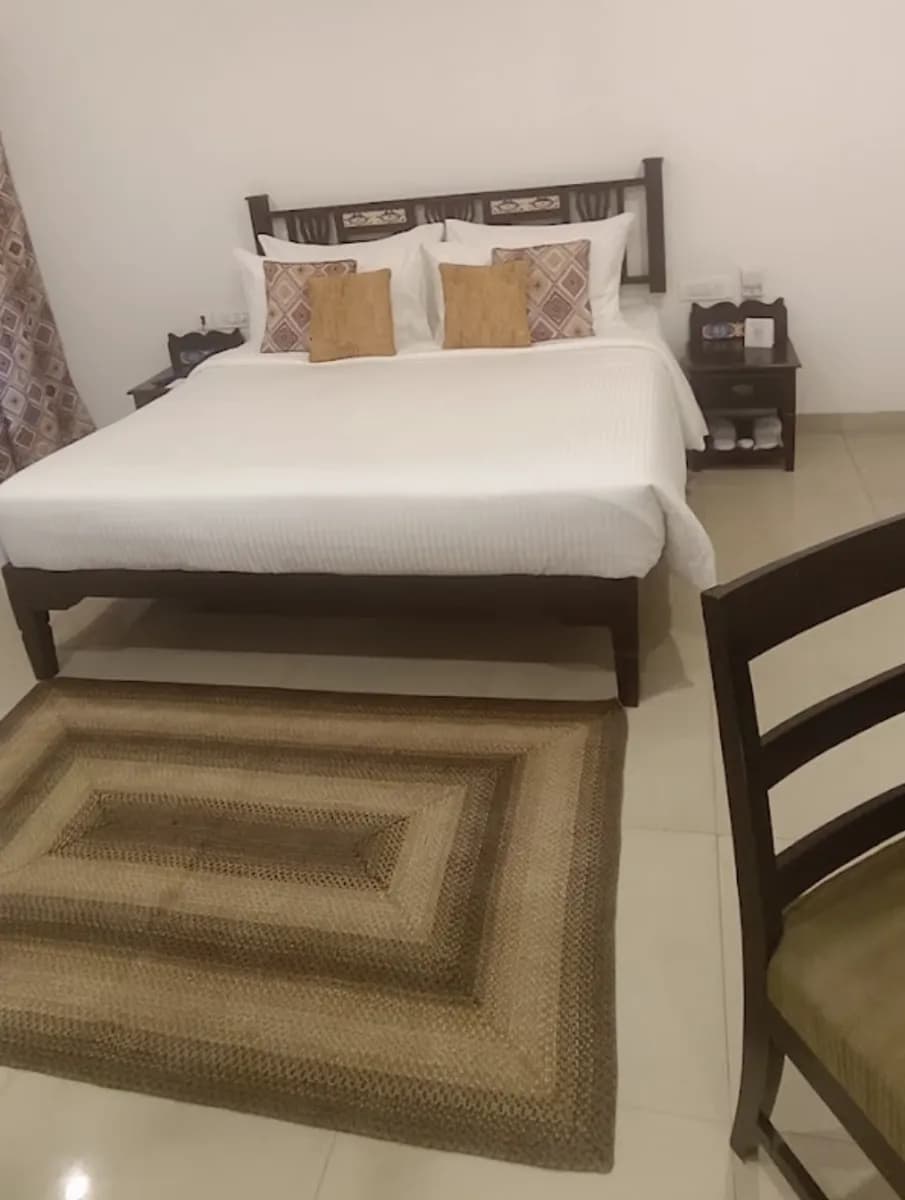
- Old village houses below the estate: loose cotton or polypropylene rugs, never rubber-backed, raised to dry during the wet months.
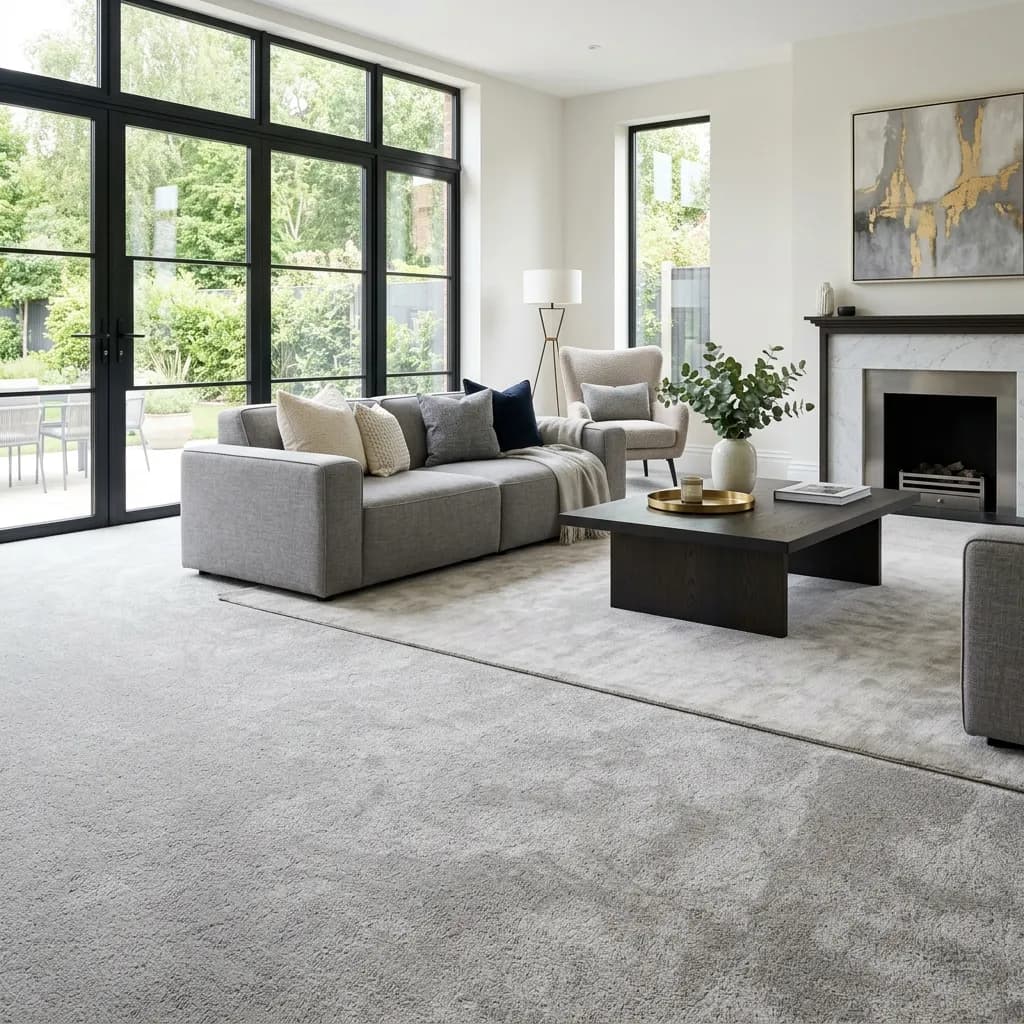
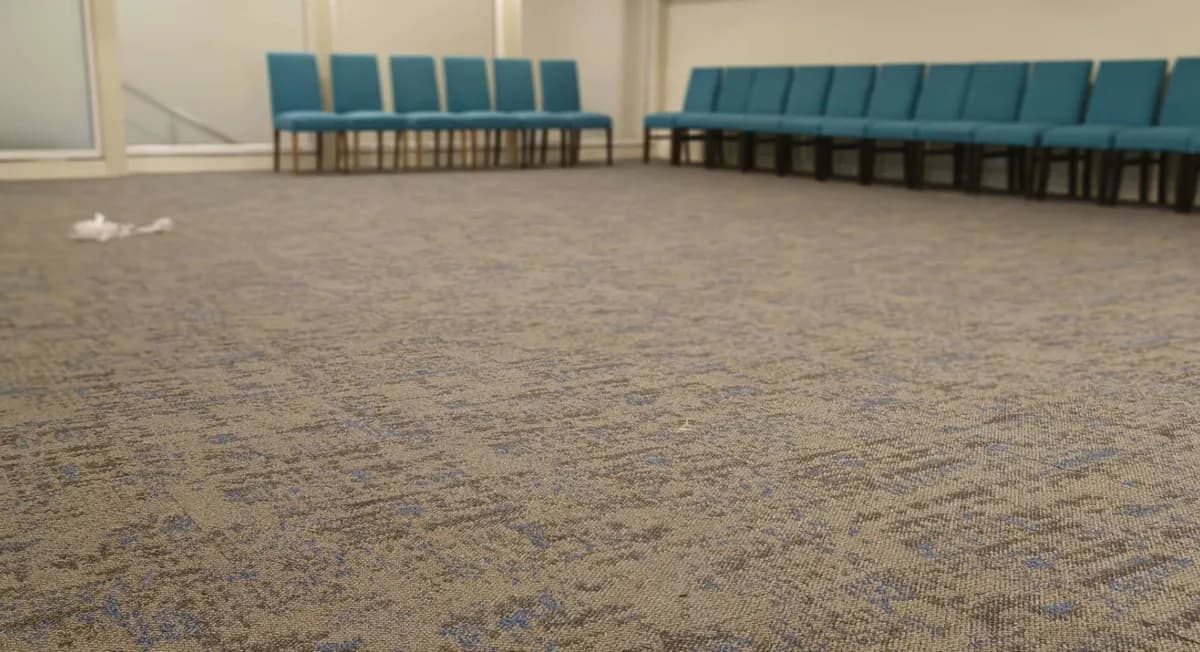
- Estate offices and cabins: dark, low-pile wall-to-wall carpet that hides grit between one vacuuming and the next.
Marcaim, also written Madkai, is a village south-west of Ponda, near the Zuari. It is known for the Navdurga temple and for its industrial estate, one of the larger ones in the taluka, with the old village and its fields lying below.
There are traditional village houses near the temple and newer homes and rented rooms for people working in the estate. Factories and offices in the estate need blinds and, in places, strip curtains.
Marcaim is inland, with low ground near the river that is humid and prone to mosquitoes. The industrial estate adds dust and truck traffic.
Homes near the port, airport and industrial estates
Where grit is carried in on shoes, a hard-wearing low-pile synthetic rug with a doormat at each entrance lasts far longer than a soft, deep pile.
Inland homes
A drier inland home can use wool, cotton dhurries and jute without trouble. Rugs gather the dust that comes in from the road, so choose sizes that can be taken out and beaten or vacuumed easily.