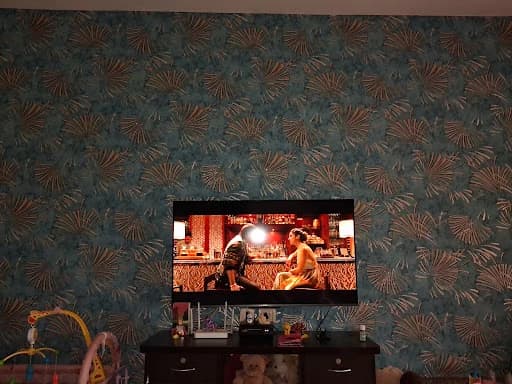
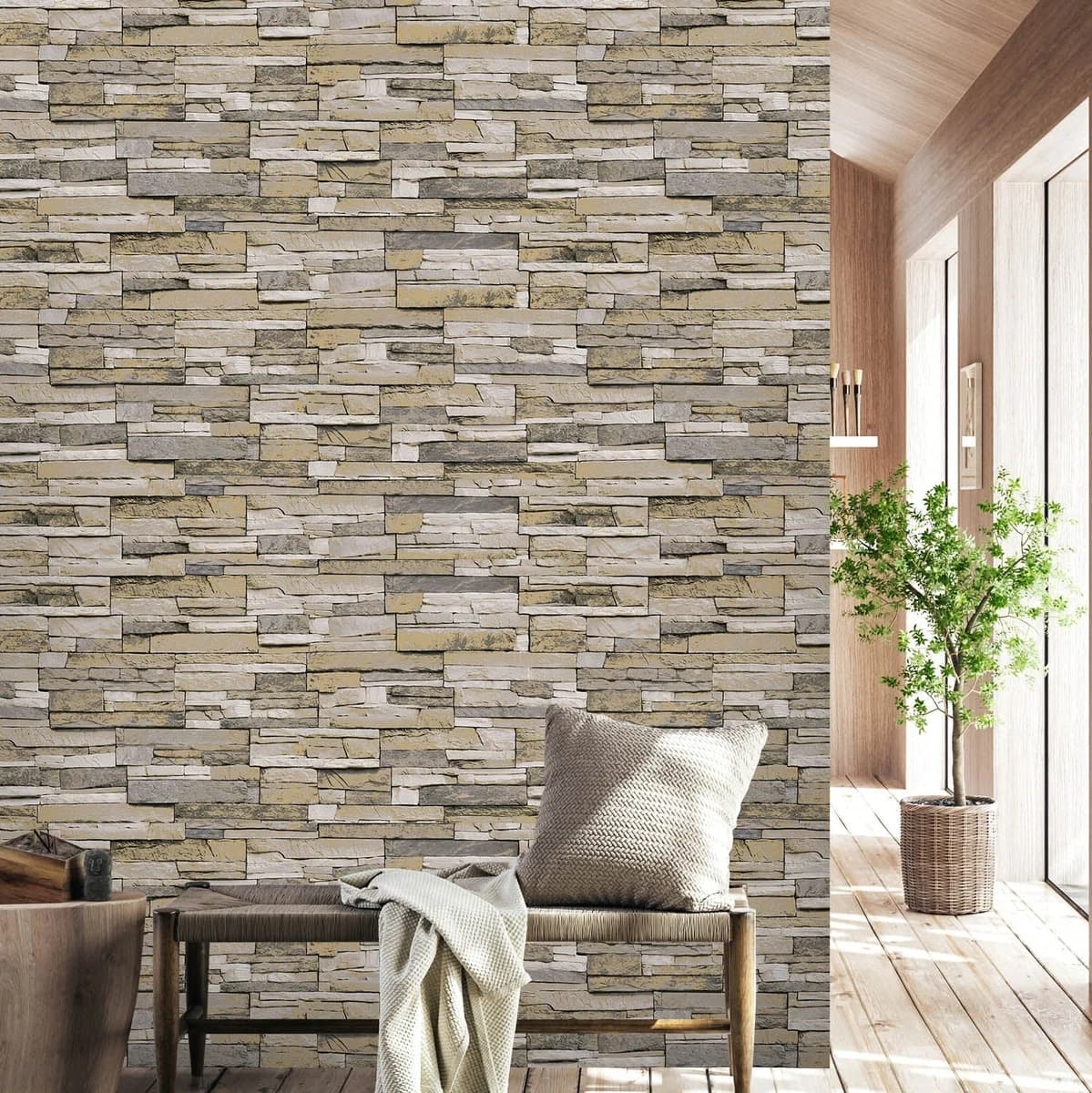
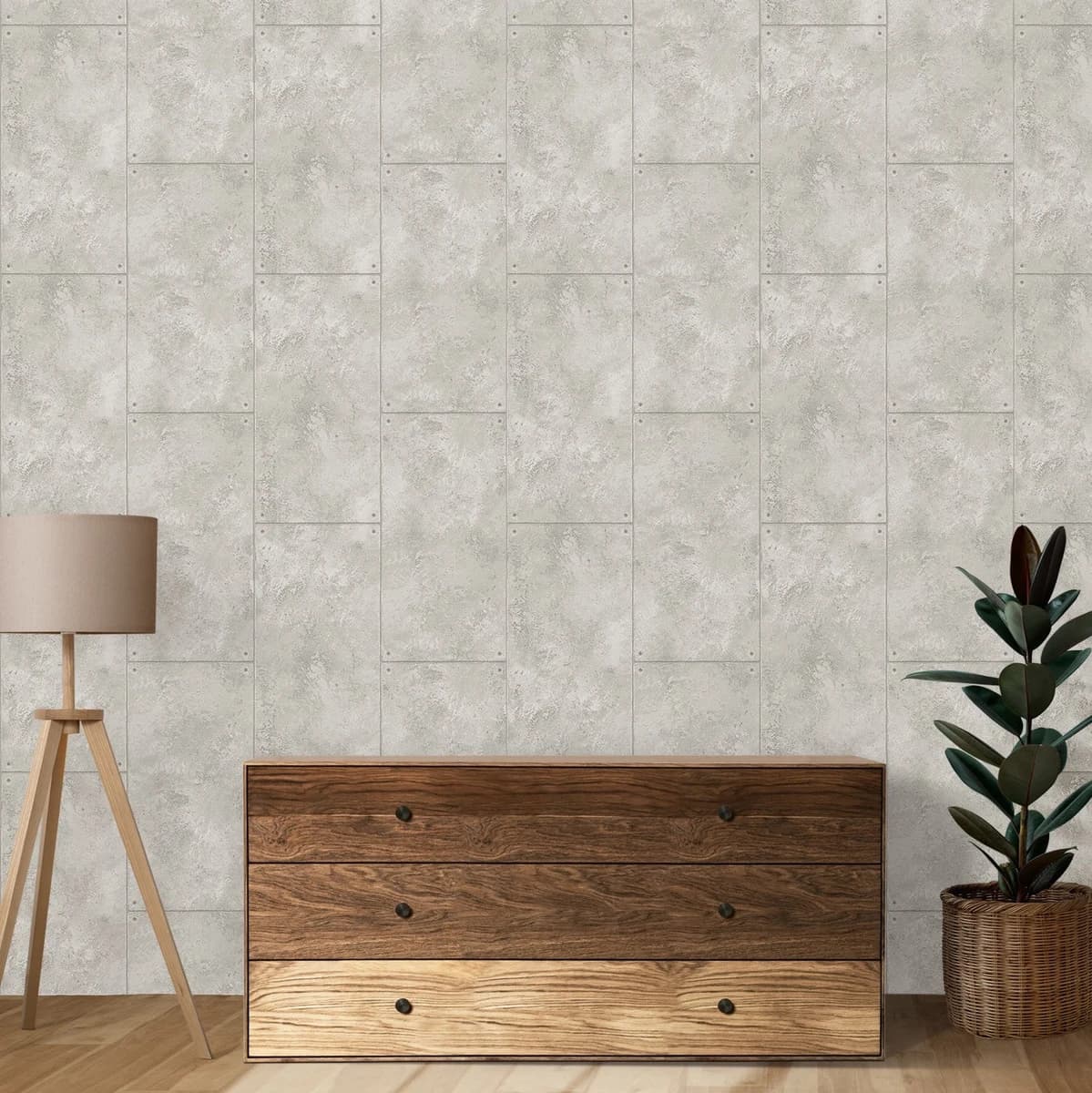
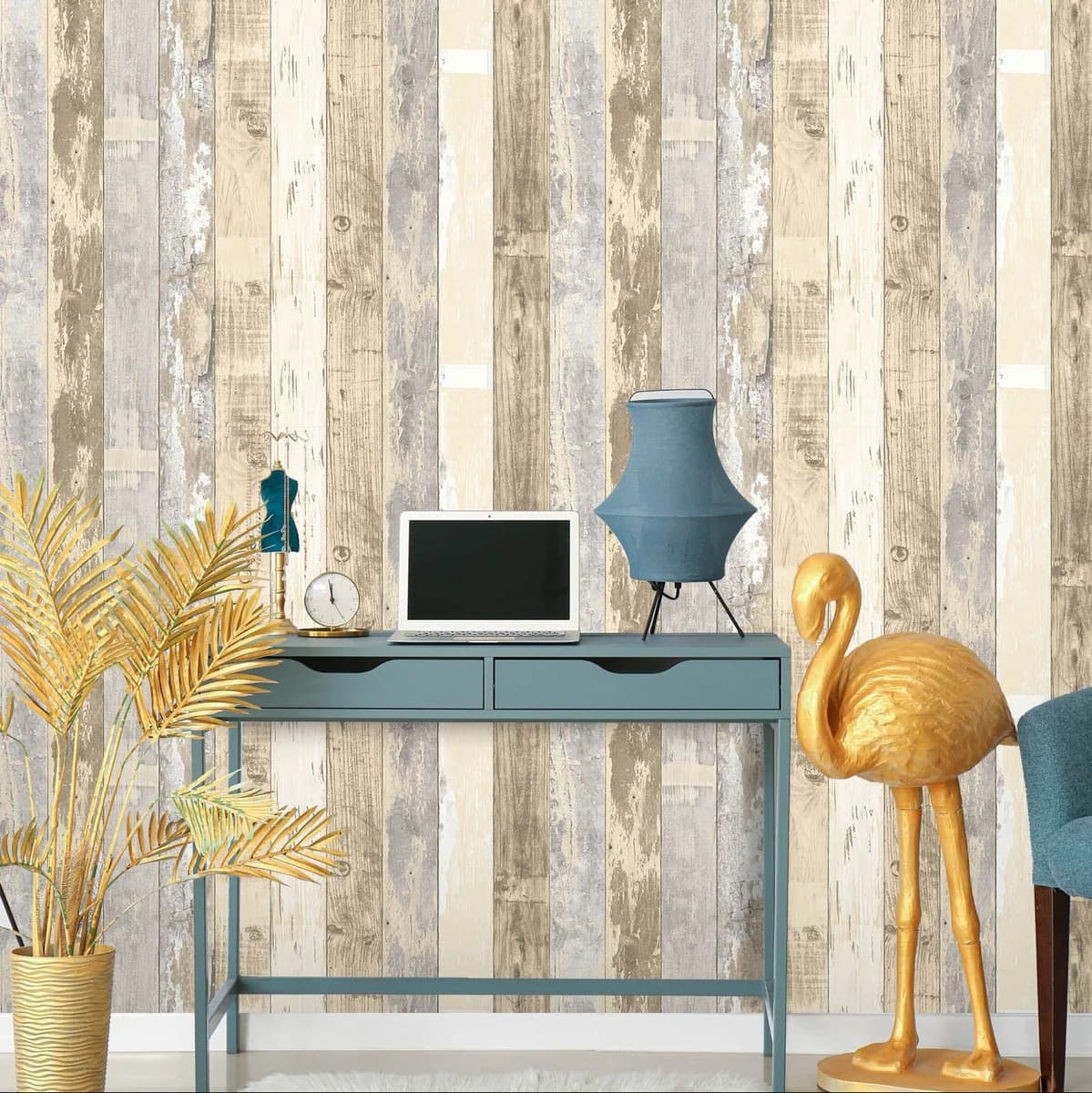
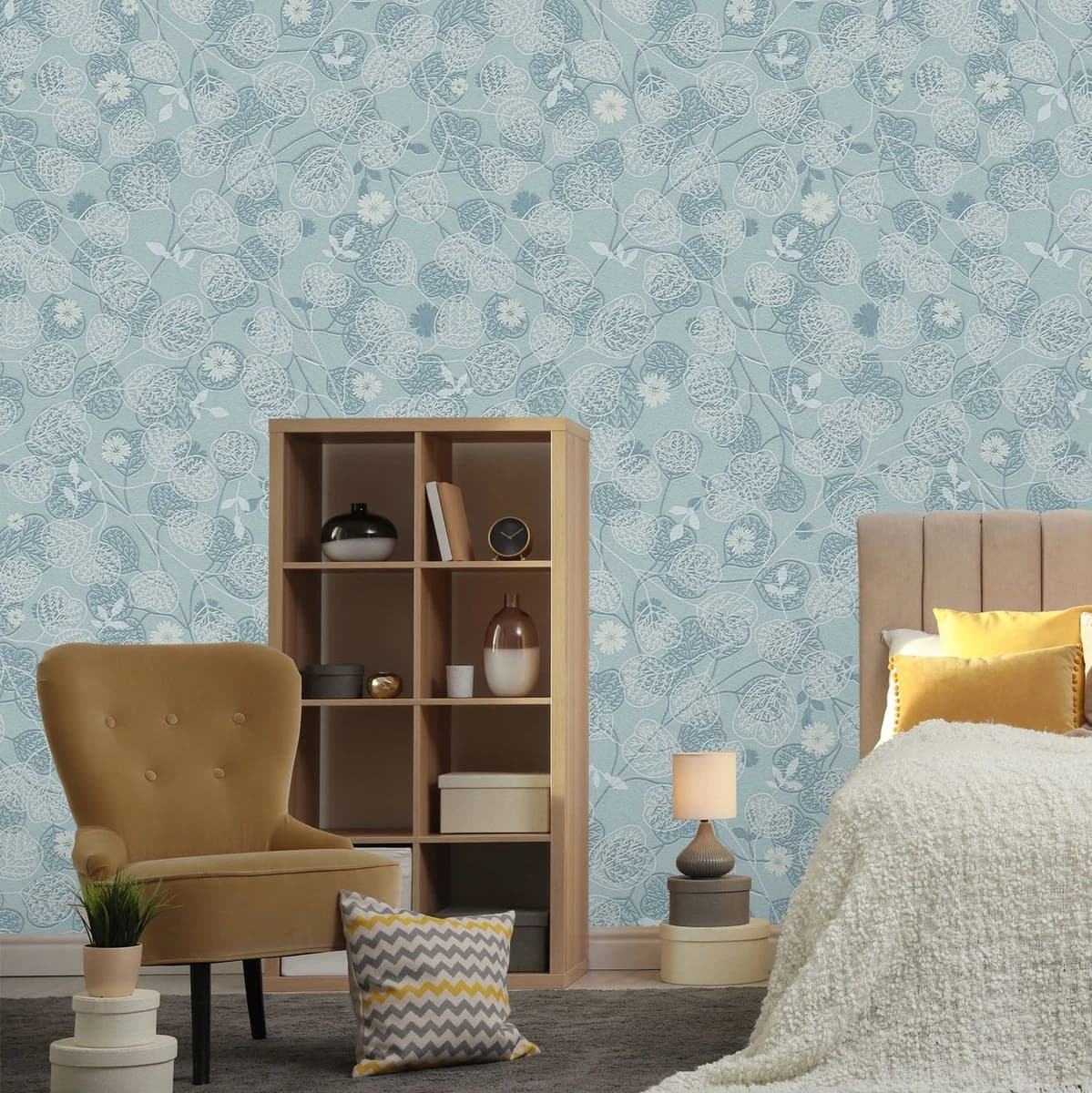
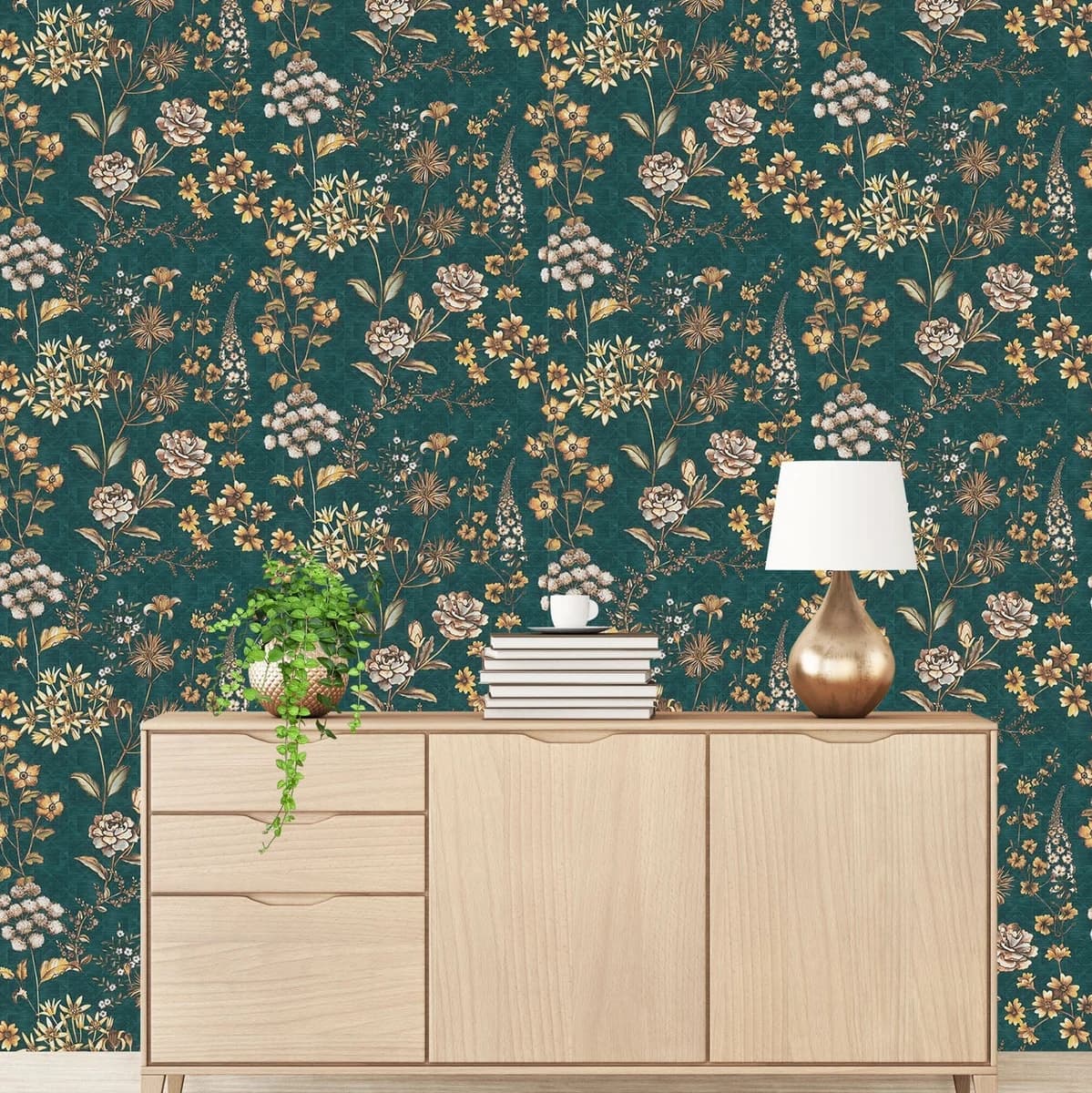
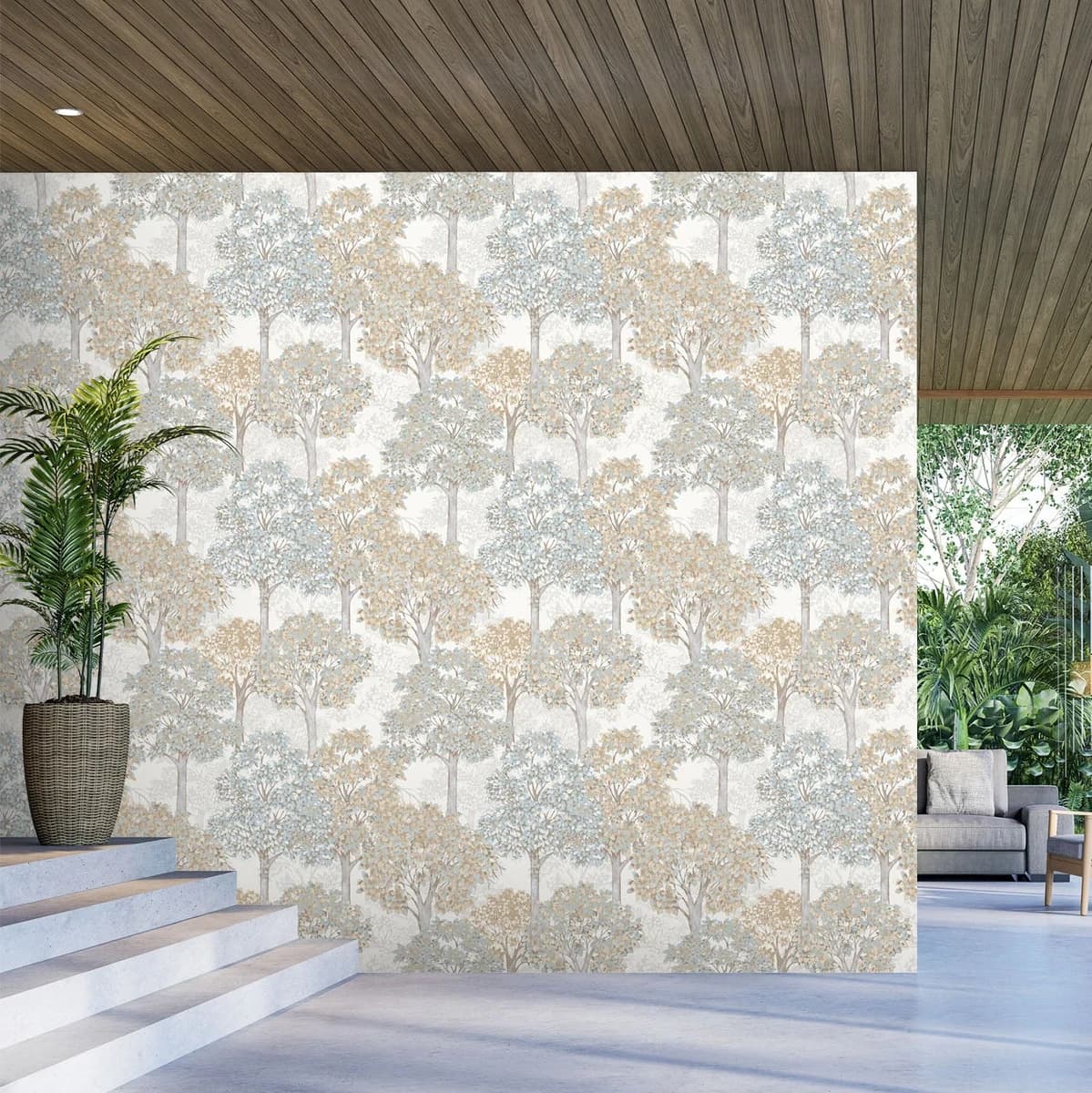
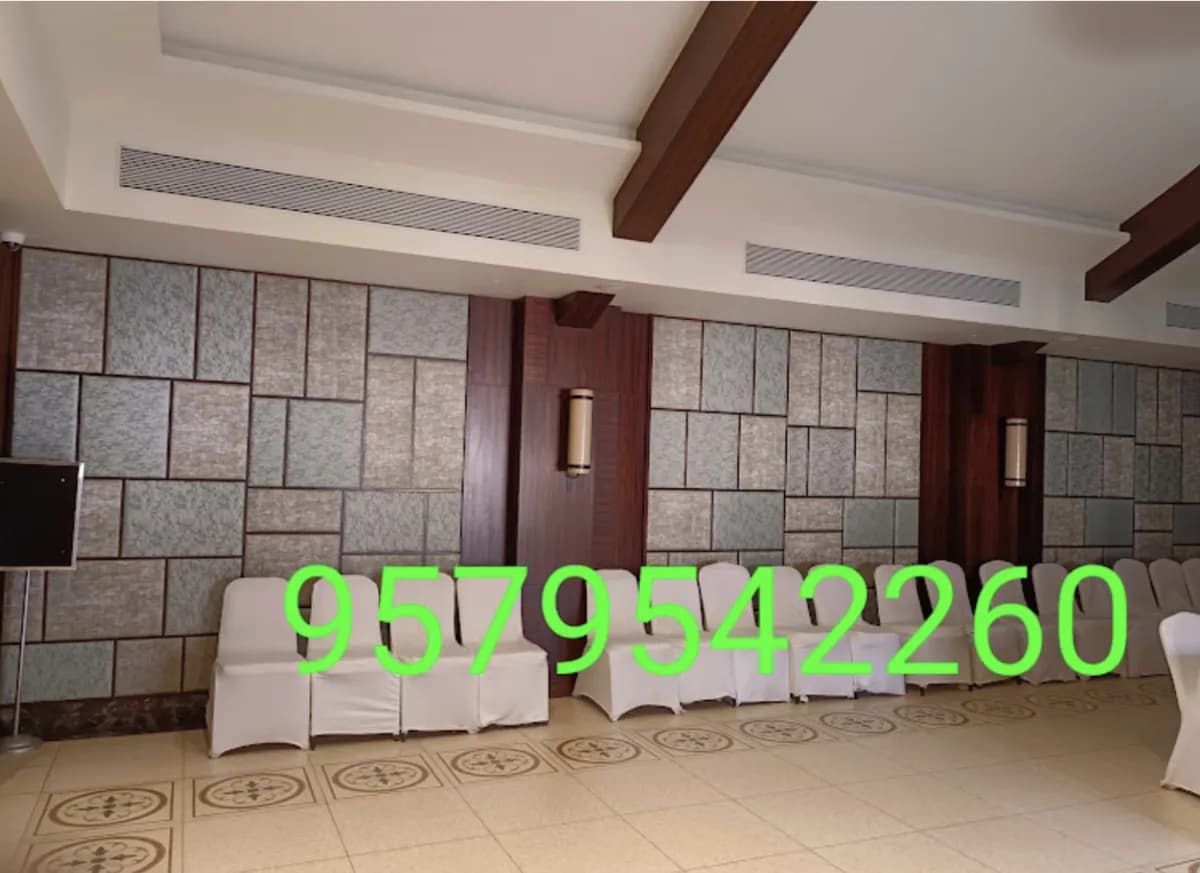
What settles on a wall counts as much in Marcaim as what the wall is made of. Homes near the estate get a steady film of fine dust, which clings in the grooves of flocked and deeply embossed papers and is hard to remove; smooth vinyl wipes down with a cloth, and a pattern or deeper colour hides what gathers between cleans. Being inland, the upper walls are mostly dry and take wallpaper well. The exception is the old village, where ground-floor rooms on the low land by the river can hold damp at the skirting. Paper should stop well above any such mark, or the wall be treated and panelled in PVC instead. Offices suit plain, wipeable designs.
- Living rooms near the estate roads: a smooth, patterned vinyl on one wall, wiped down whenever the dust film shows.
- Ground floors in the old village: wallpaper kept to dry inner walls or upper sections, with PVC panels where damp rises.
- Reception and cabin walls in estate offices: a plain mid-tone vinyl that takes regular wiping without marking.
Marcaim, also written Madkai, is a village south-west of Ponda, near the Zuari. It is known for the Navdurga temple and for its industrial estate, one of the larger ones in the taluka, with the old village and its fields lying below.
There are traditional village houses near the temple and newer homes and rented rooms for people working in the estate. Factories and offices in the estate need blinds and, in places, strip curtains.
Marcaim is inland, with low ground near the river that is humid and prone to mosquitoes. The industrial estate adds dust and truck traffic.
Homes near the port, airport and industrial estates
Fine dust clings to textured and flocked papers. Smooth vinyl wallpaper can be wiped down, and darker or patterned designs hide the film that settles between cleans.
Inland homes
Dry inland walls are the kindest to wallpaper. Almost any type can be used, including textured and fabric-backed papers. The risk here is a wall that takes the full monsoon rain from outside, which should be checked for seepage before papering.