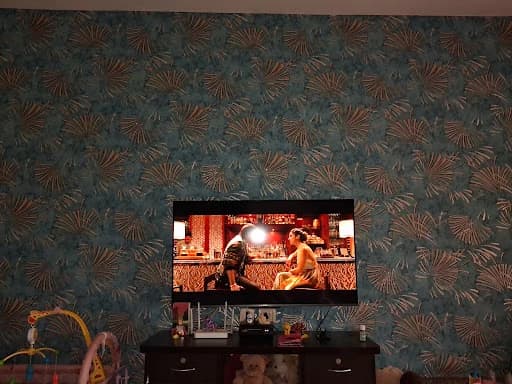
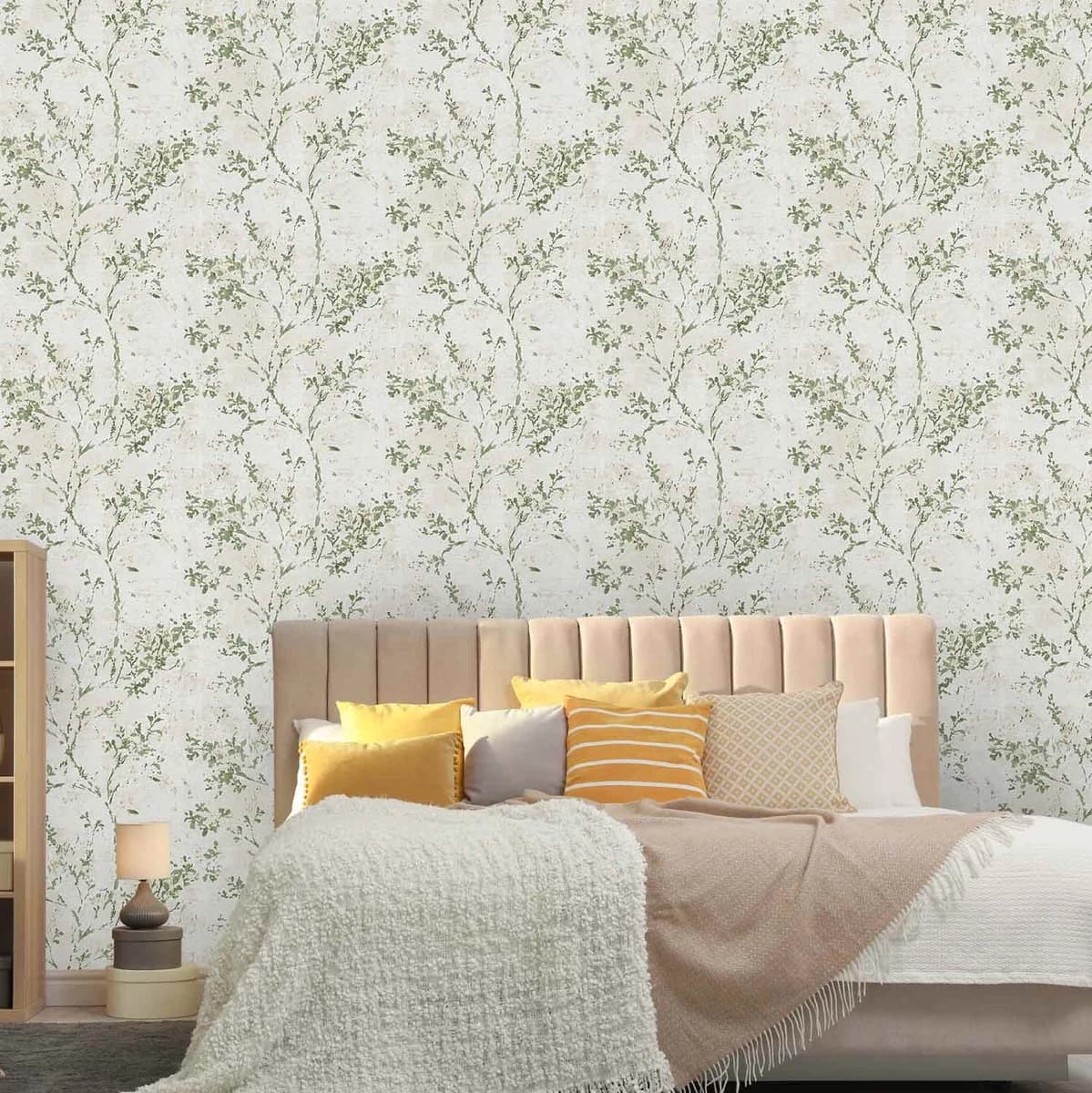
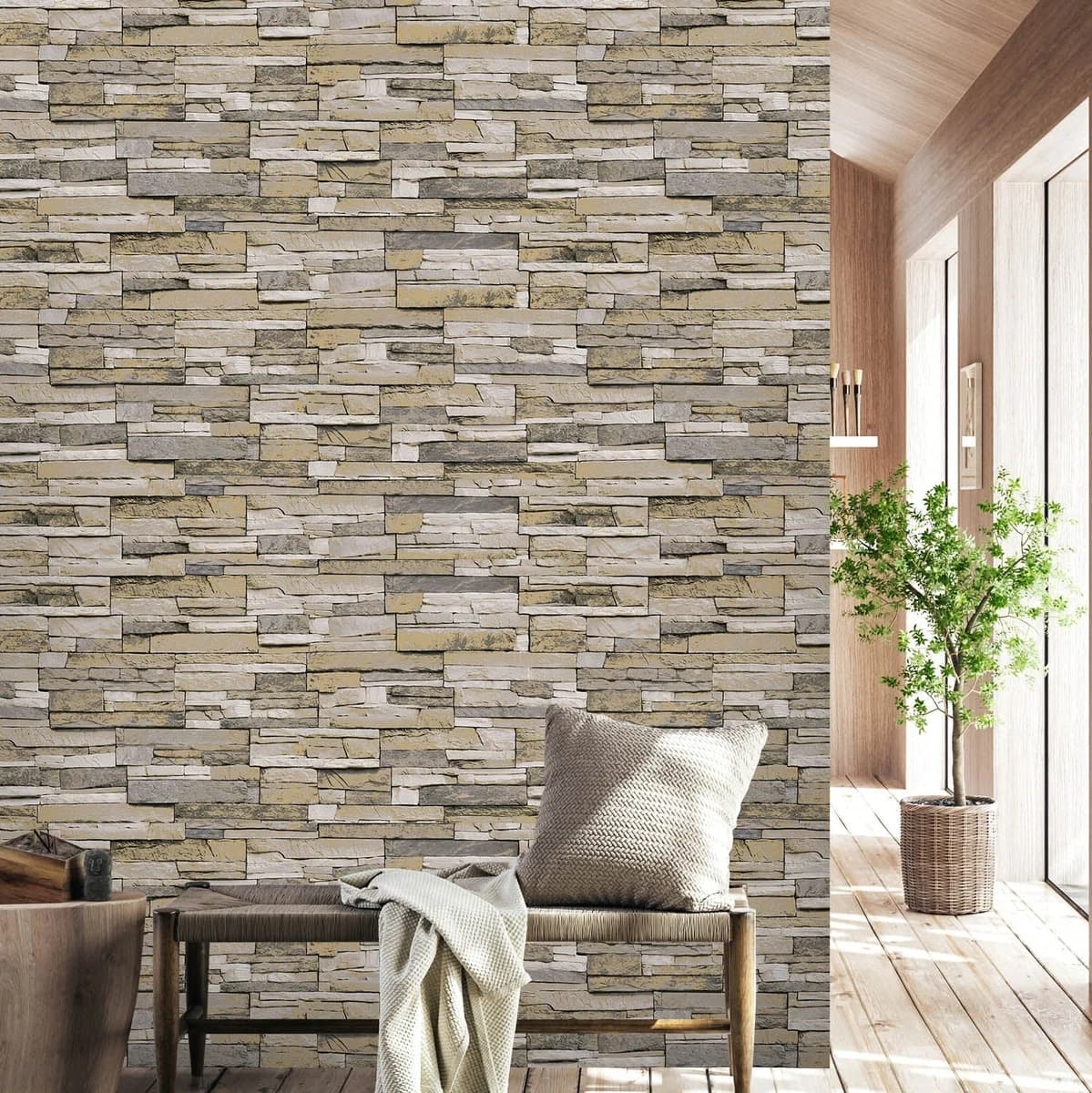
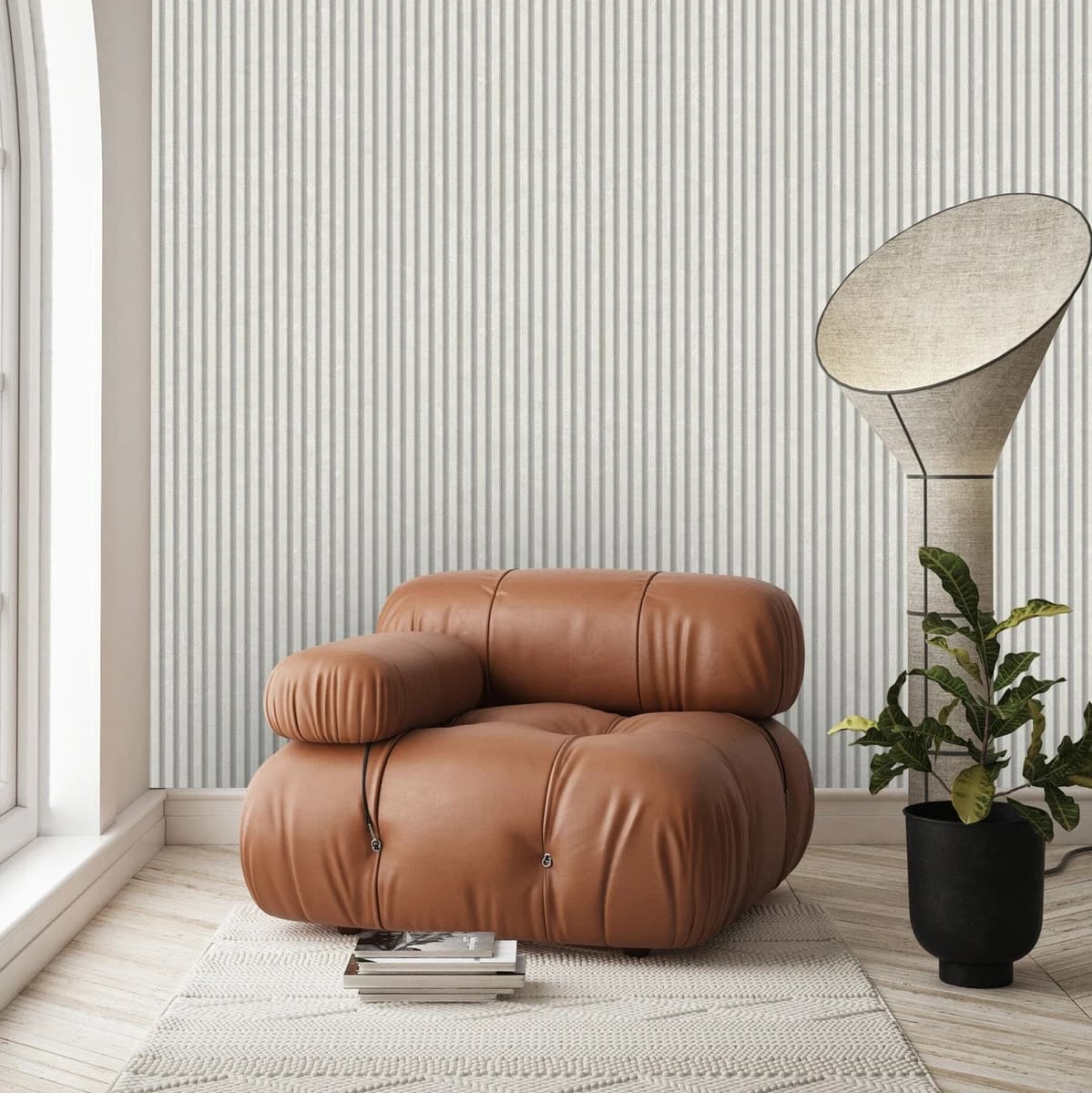
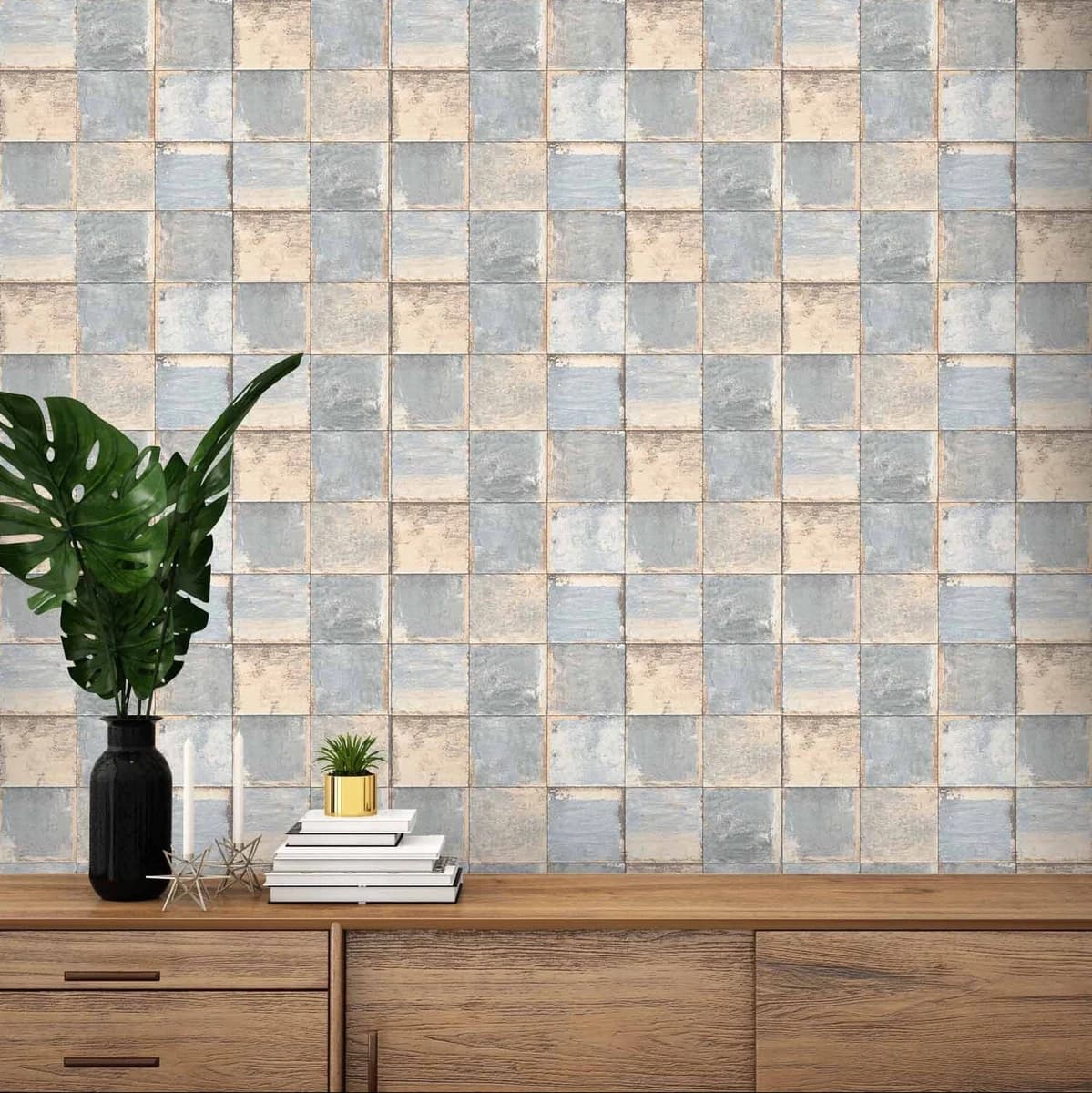
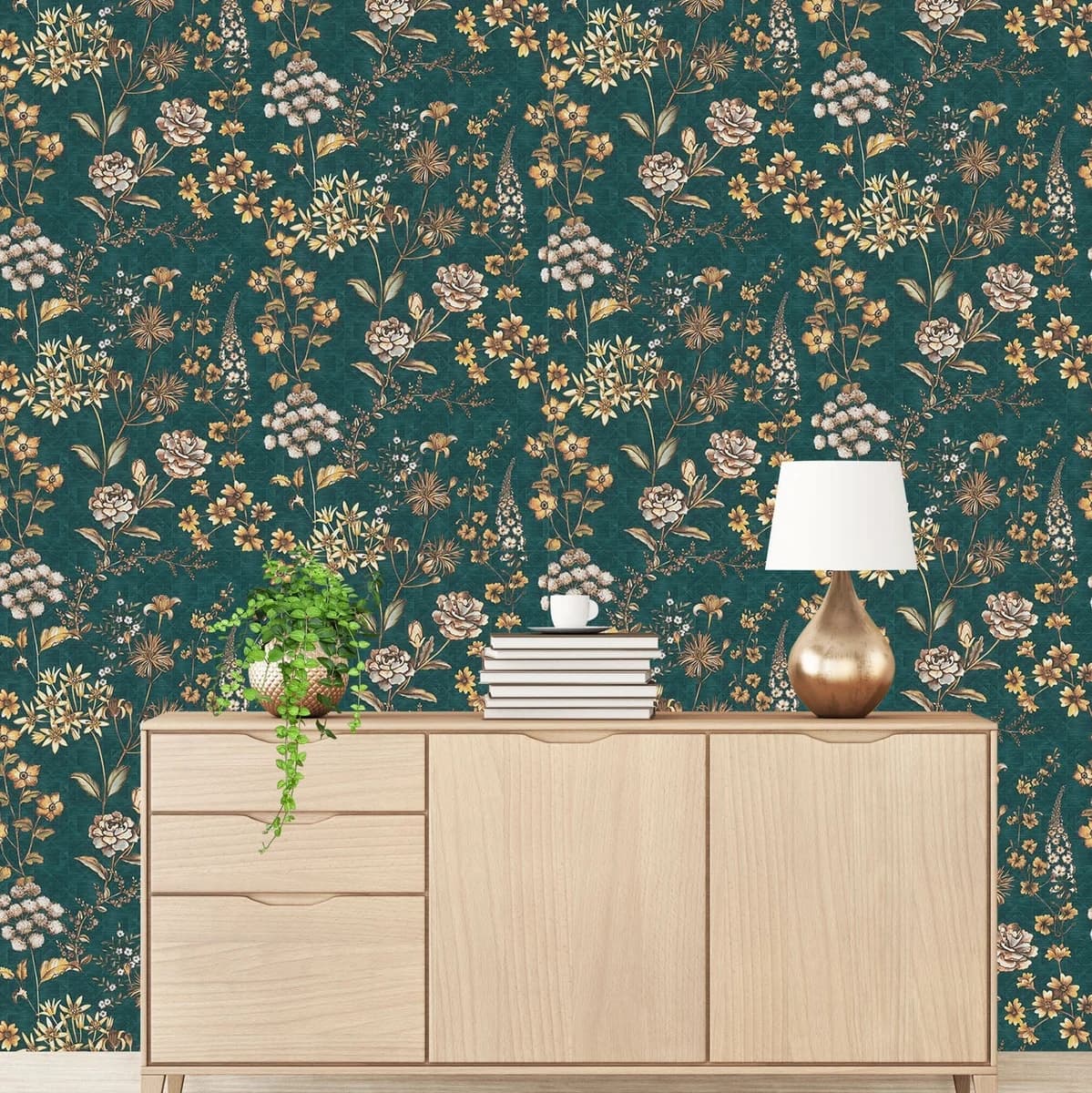
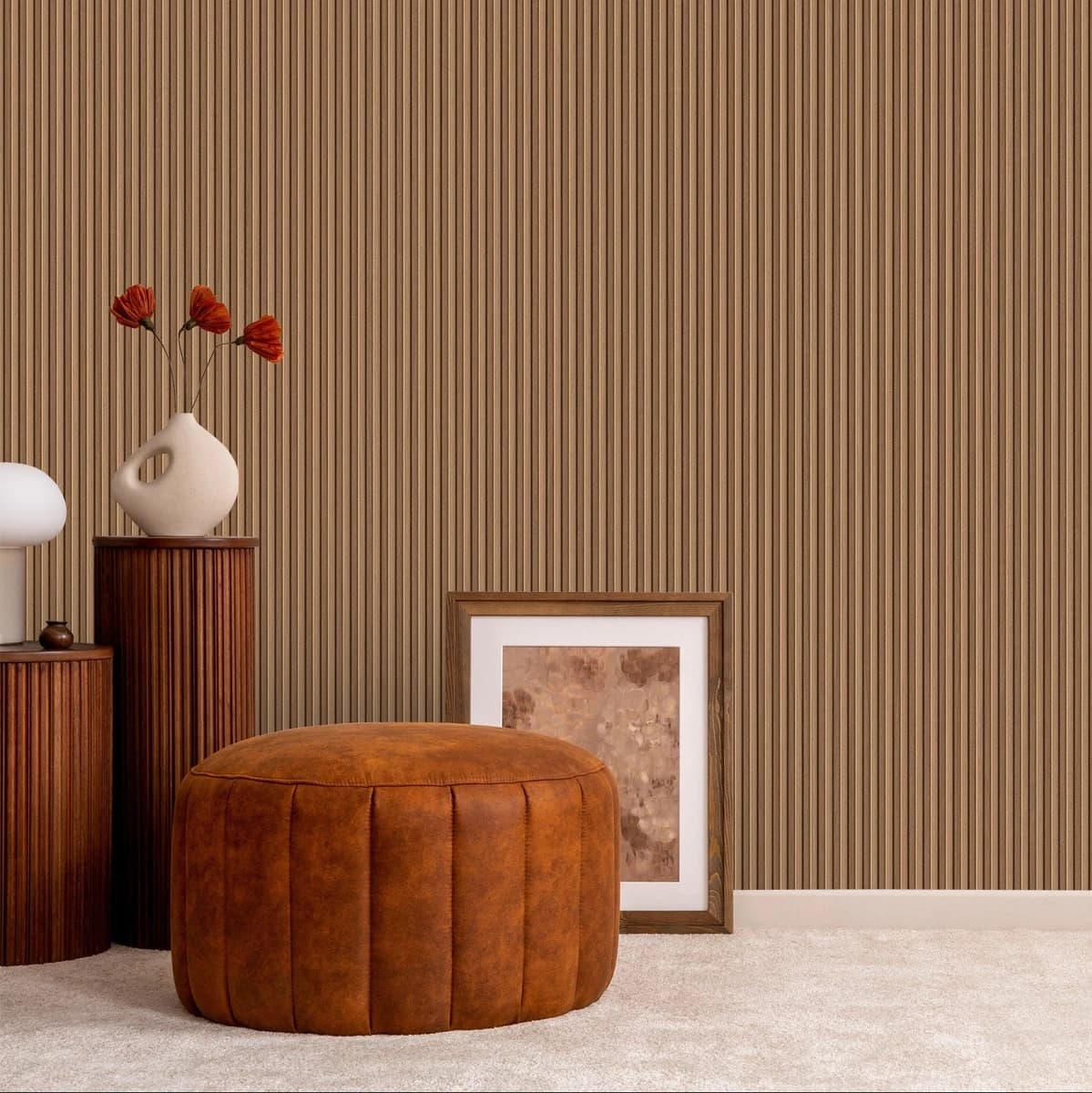
Wallpaper is the service to be most cautious about in Siridao. The old shore houses are lime-plastered, stand right beside the water, and take in salt and damp on every outer wall; paper there will lift at the seams, and sealing lime plaster under vinyl does the wall no good either. For those walls PVC panels on a frame are the honest answer. Wallpaper has a place on a dry inner partition, away from the estuary side, after the plaster has been checked for the white bloom that salt leaves. The newer houses on the slope stand further from the spray, and an air-conditioned bedroom there will hold a vinyl paper on anti-fungal primer.
- Old houses along the shore: no wallpaper on outer or lime-plastered walls; PVC panels on battens suit them better.
- Inner partition walls: vinyl wallpaper on anti-fungal primer, but only where the plaster is sound and shows no white bloom of salt.
- Air-conditioned bedrooms in the newer slope houses: one wall in textured vinyl, the bed wall if that is the one furthest from the weather.
Siridao is a small fishing village on the Zuari estuary, below the plateau of Bambolim. It has a pebbly beach, a chapel on the headland, and a feast in spring that draws people from across Goa.
Homes are traditional village houses of the fishing community, close together along the shore, with a few newer houses and villas on the slope behind.
The village faces the open estuary. Salt, humidity and wind off the water affect every house, and metal rusts quickly.
Sea-facing homes
Sea-facing walls take in salt and moisture, and paper lifts at the seams if the wall is not sealed. Use vinyl-coated wallpaper on an anti-fungal primer, and keep it to inner walls or walls that do not face the weather. Check for salt bloom on the plaster first.
Old Goan houses
Old walls are lime-plastered and need to breathe. Sealing them under vinyl can trap moisture, so a wall is tested first, and loose or powdery plaster is made good. Often the answer is to paper a later partition wall and leave the old lime walls painted.