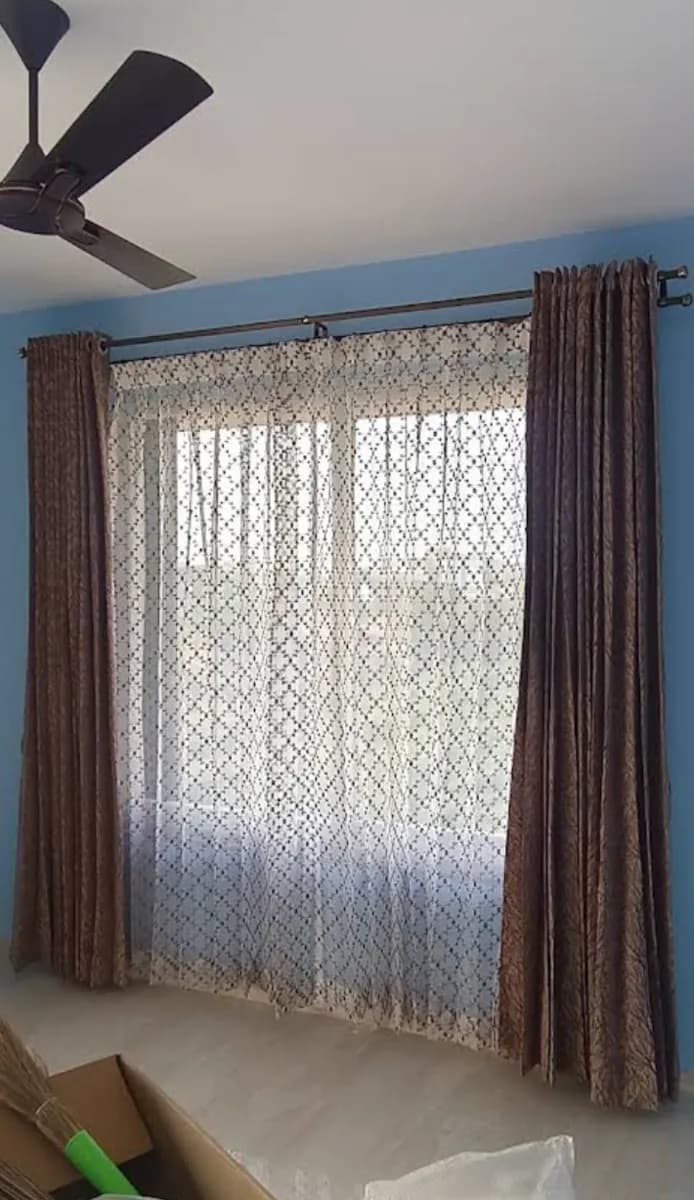
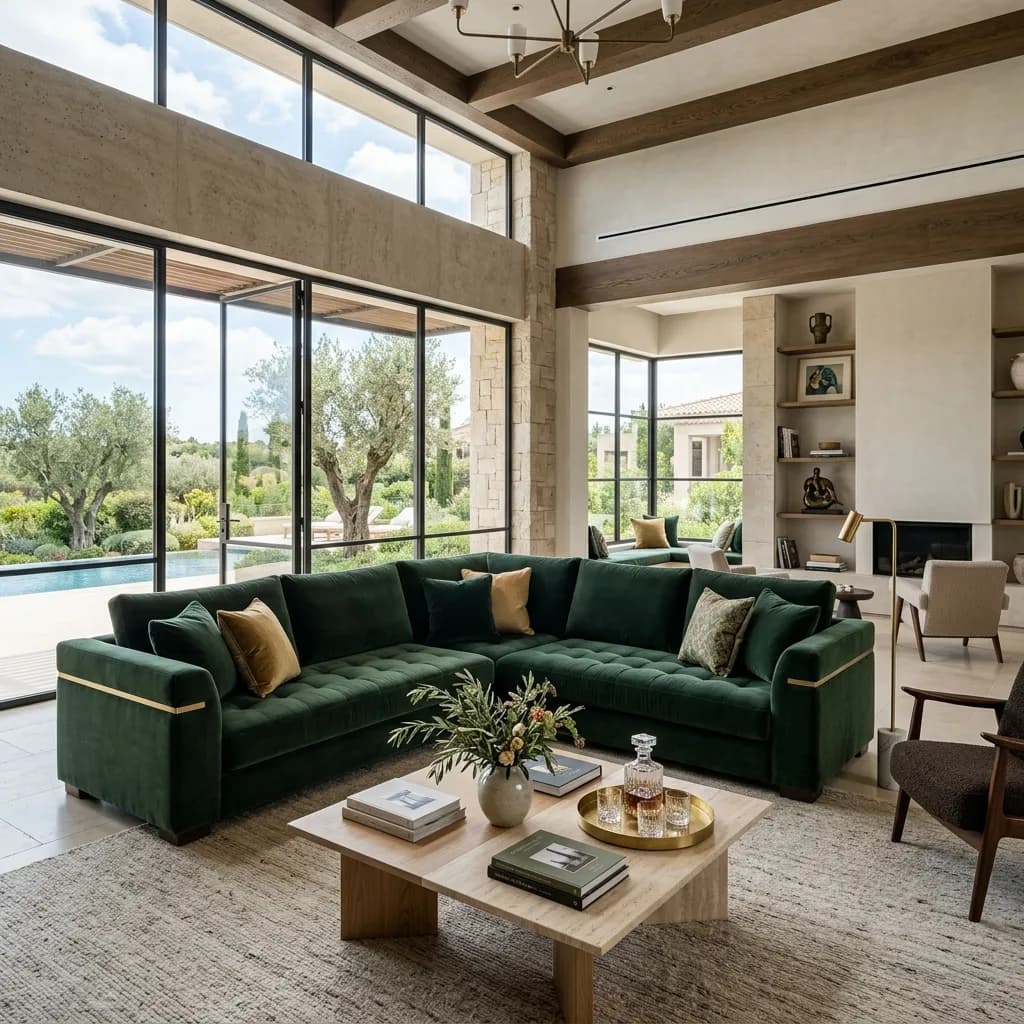
Bedrooms in Siridao are seldom far from an outside wall that the estuary keeps damp, so how a headboard is fixed matters more than its style. Let air pass behind it, or make it part of the bed, and see that the plywood back is sealed on its two faces against swelling. Leatherette and close synthetic weaves are the covers to choose; velvet and cotton hold the salt damp and mark. Fixings should be stainless. Old village houses may have a wooden bed with a carved head, and a slim padded insert will fit within that frame, leaving the carving on show. In the villas above, a wider panel suits the larger rooms.
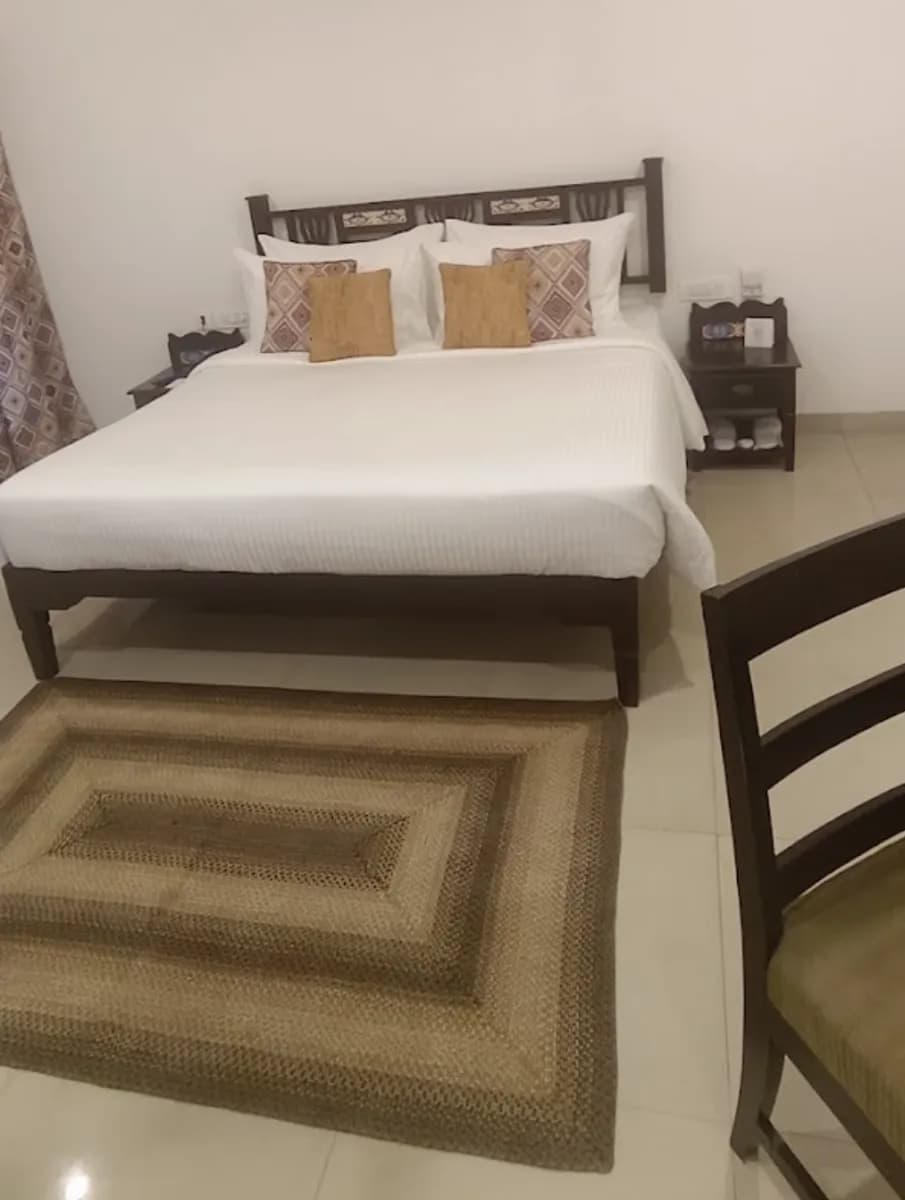
- Shore-side bedrooms: a slim leatherette headboard hung clear of the wall on stainless brackets, its plywood back sealed.
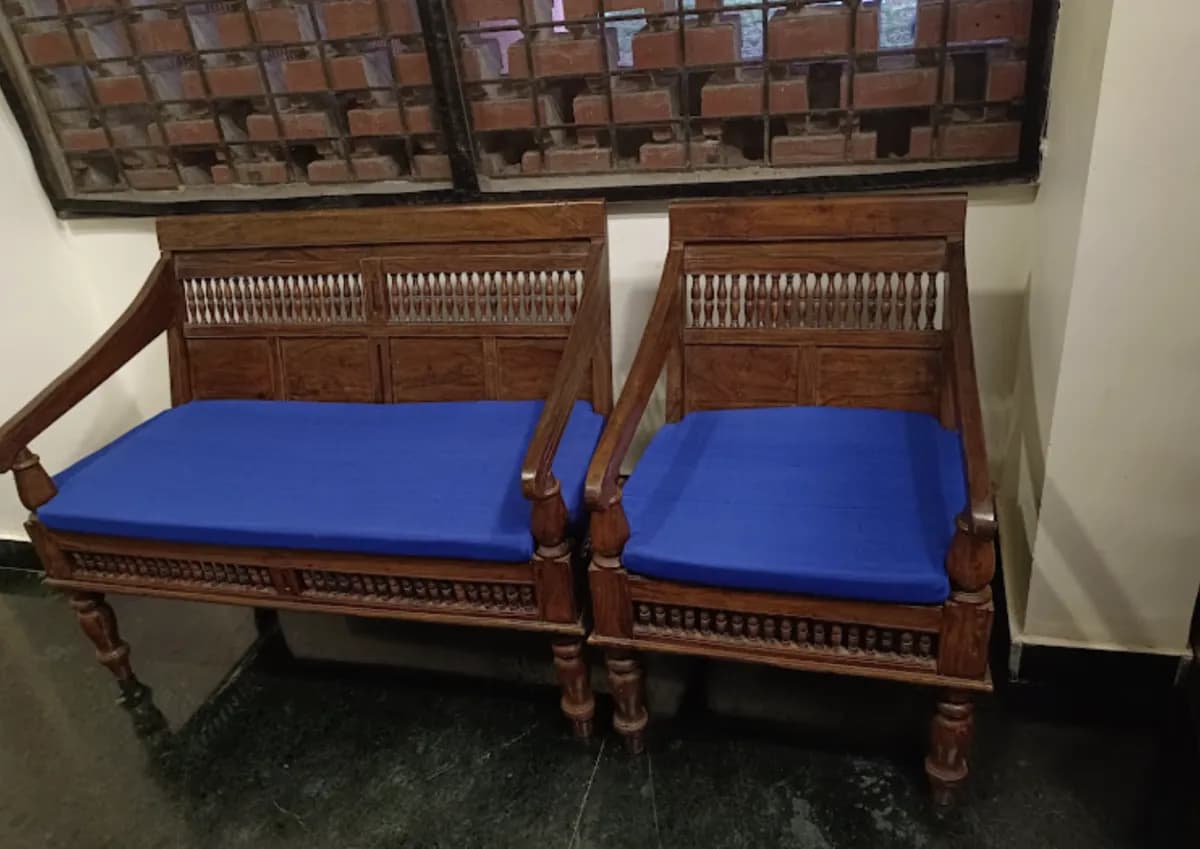
- Old wooden beds in village houses: a padded insert sized to sit within the carved frame, which lifts out for airing.
- Villa bedrooms on the slope: a wide panelled headboard in synthetic weave on an inner wall, away from the sea-facing side.
Siridao is a small fishing village on the Zuari estuary, below the plateau of Bambolim. It has a pebbly beach, a chapel on the headland, and a feast in spring that draws people from across Goa.
Homes are traditional village houses of the fishing community, close together along the shore, with a few newer houses and villas on the slope behind.
The village faces the open estuary. Salt, humidity and wind off the water affect every house, and metal rusts quickly.
Sea-facing homes
Fix a headboard a little off a sea-facing wall so air can move behind it, and choose a synthetic or leatherette cover that does not hold damp. Wooden backing boards should be sealed on both sides.
Old Goan houses
Old carved beds are worth keeping. An upholstered panel can be made to sit within the existing frame, or the cane and padding renewed, without altering the woodwork.

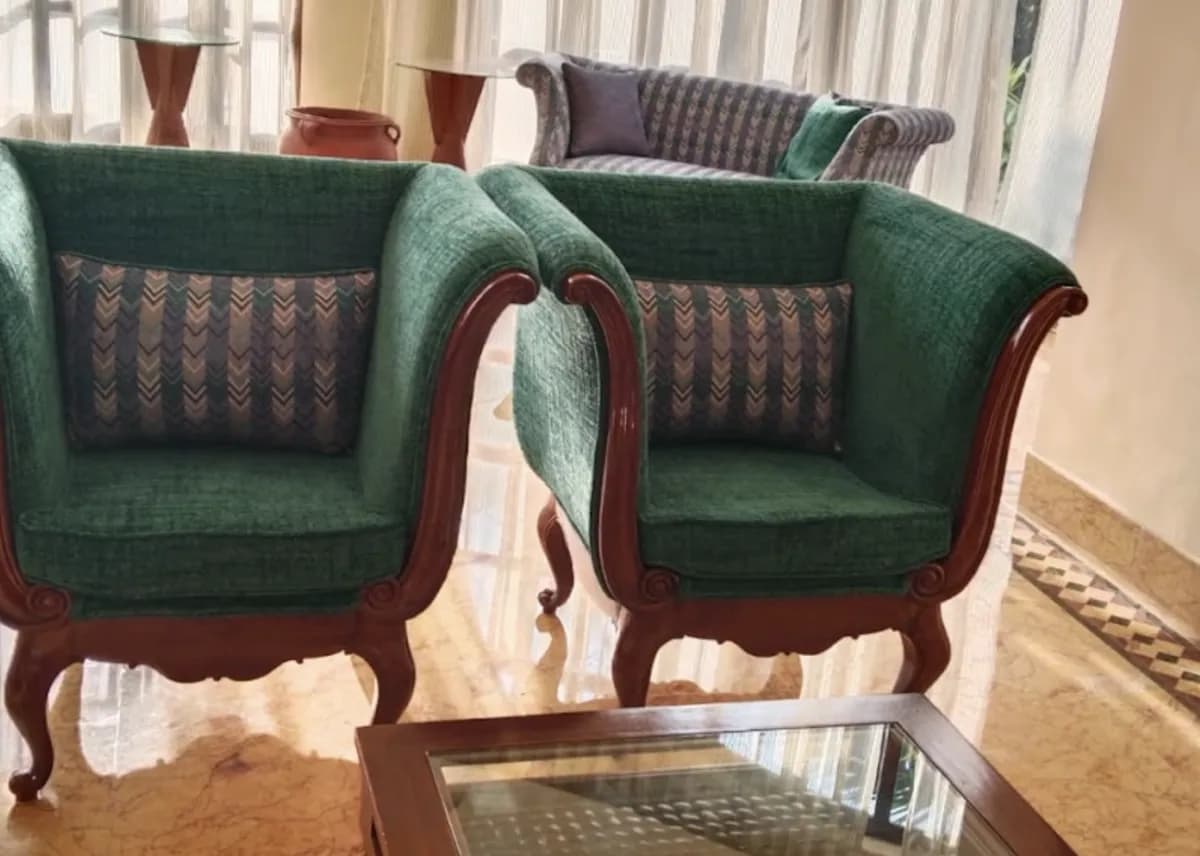
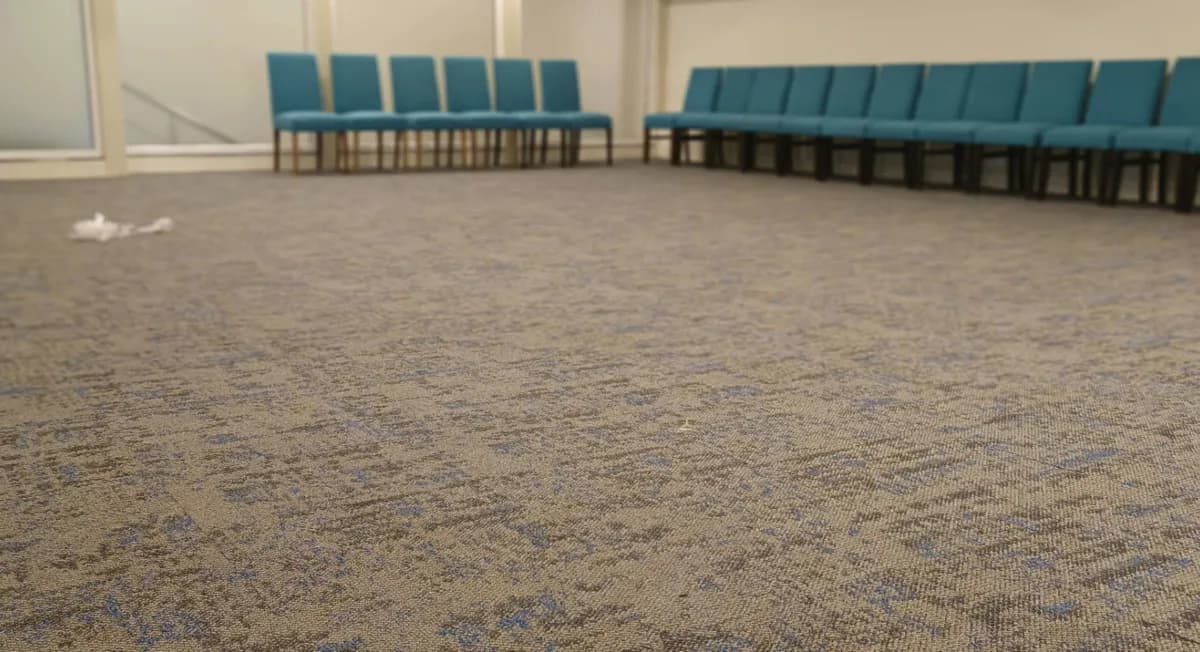 carpets