RUG WAY · Interium·India (Turkish weave)
Turkish Delight — Modern Area Rugs & Carpets
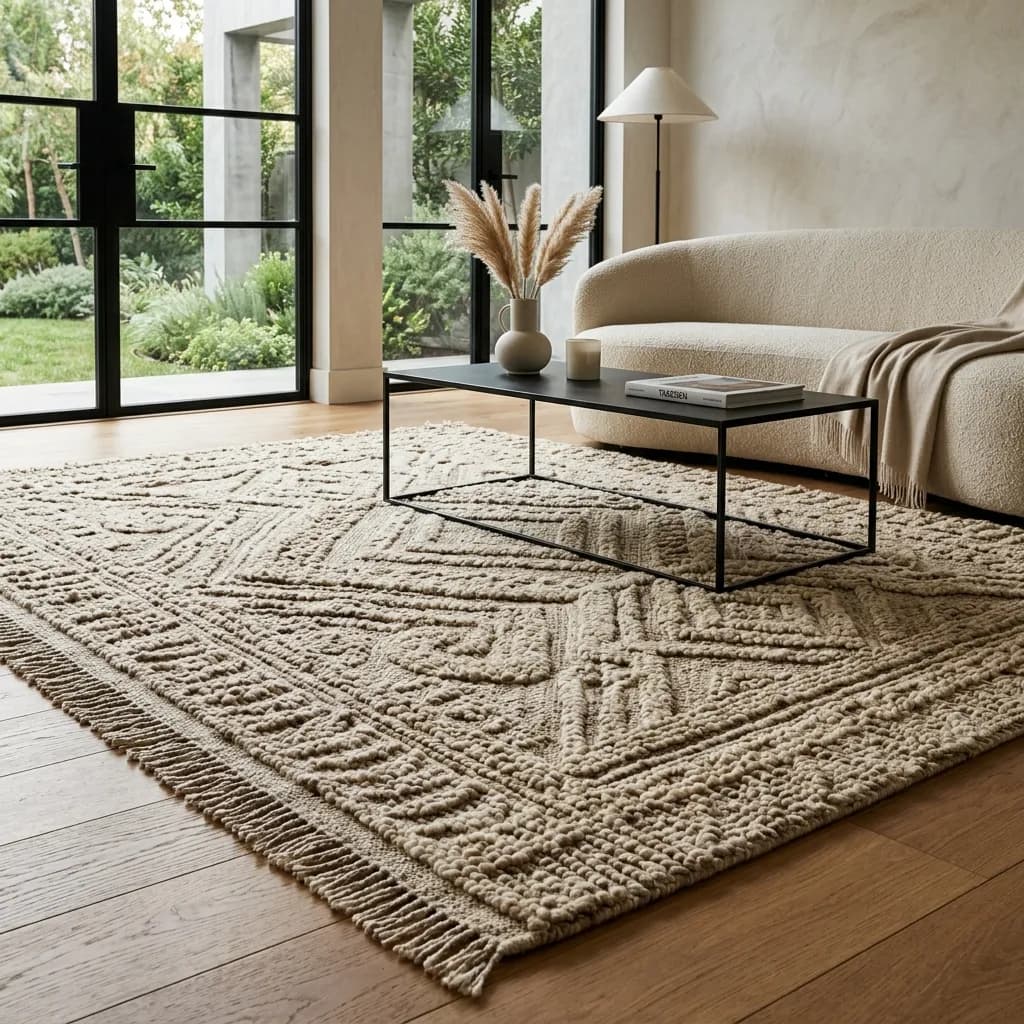
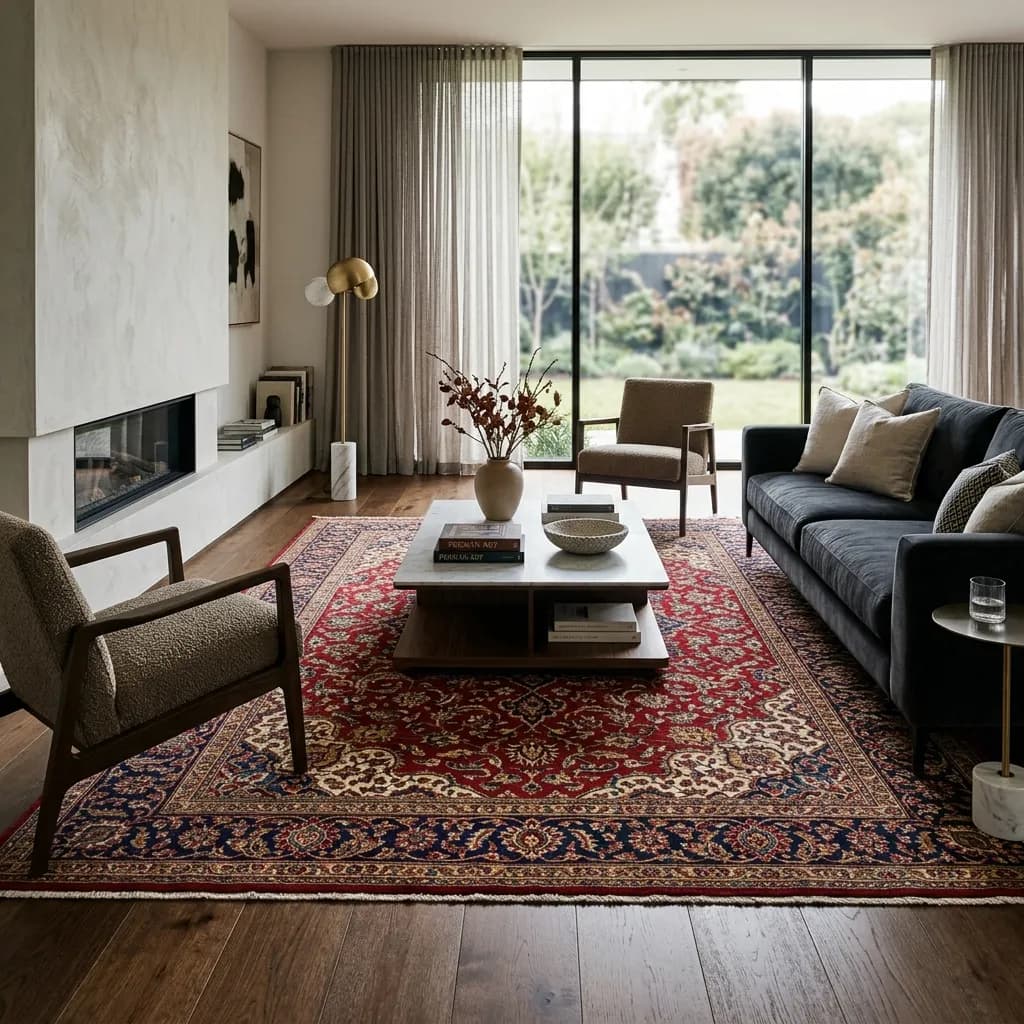
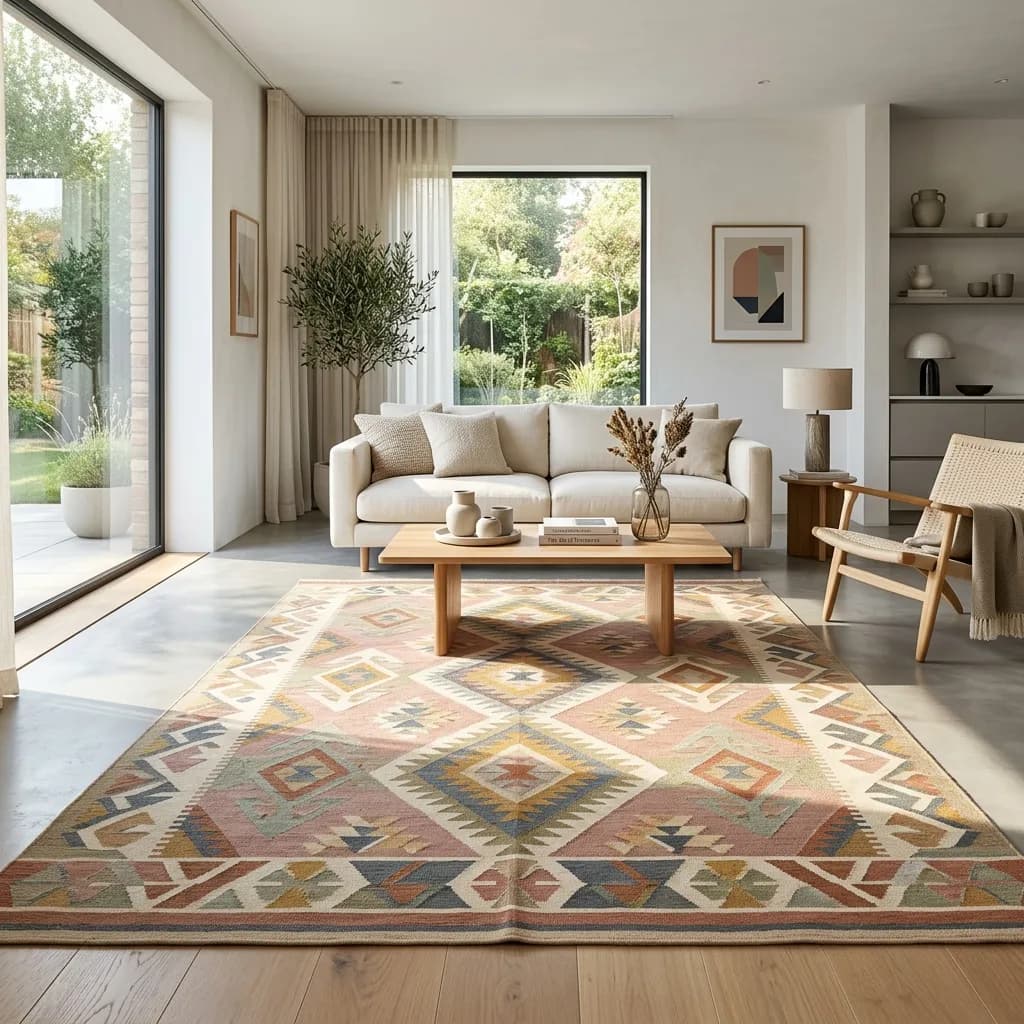
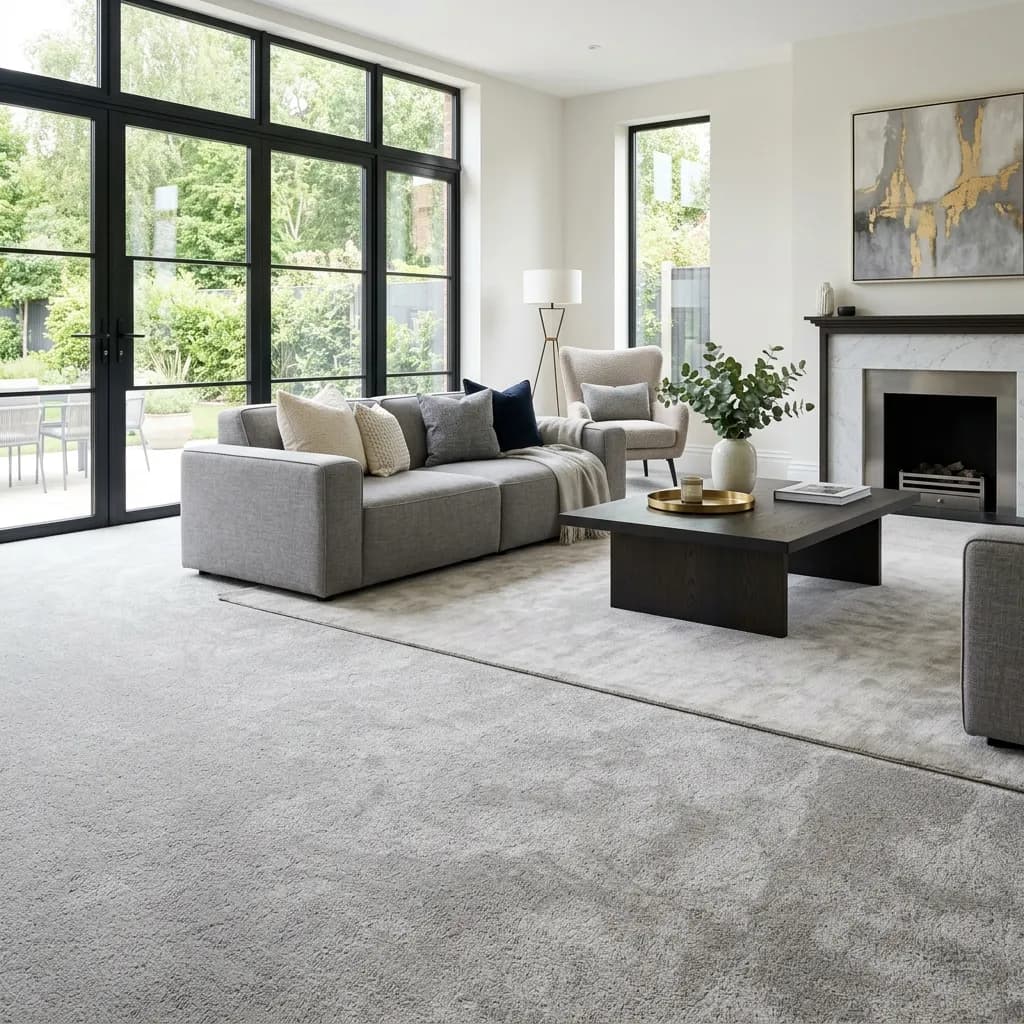
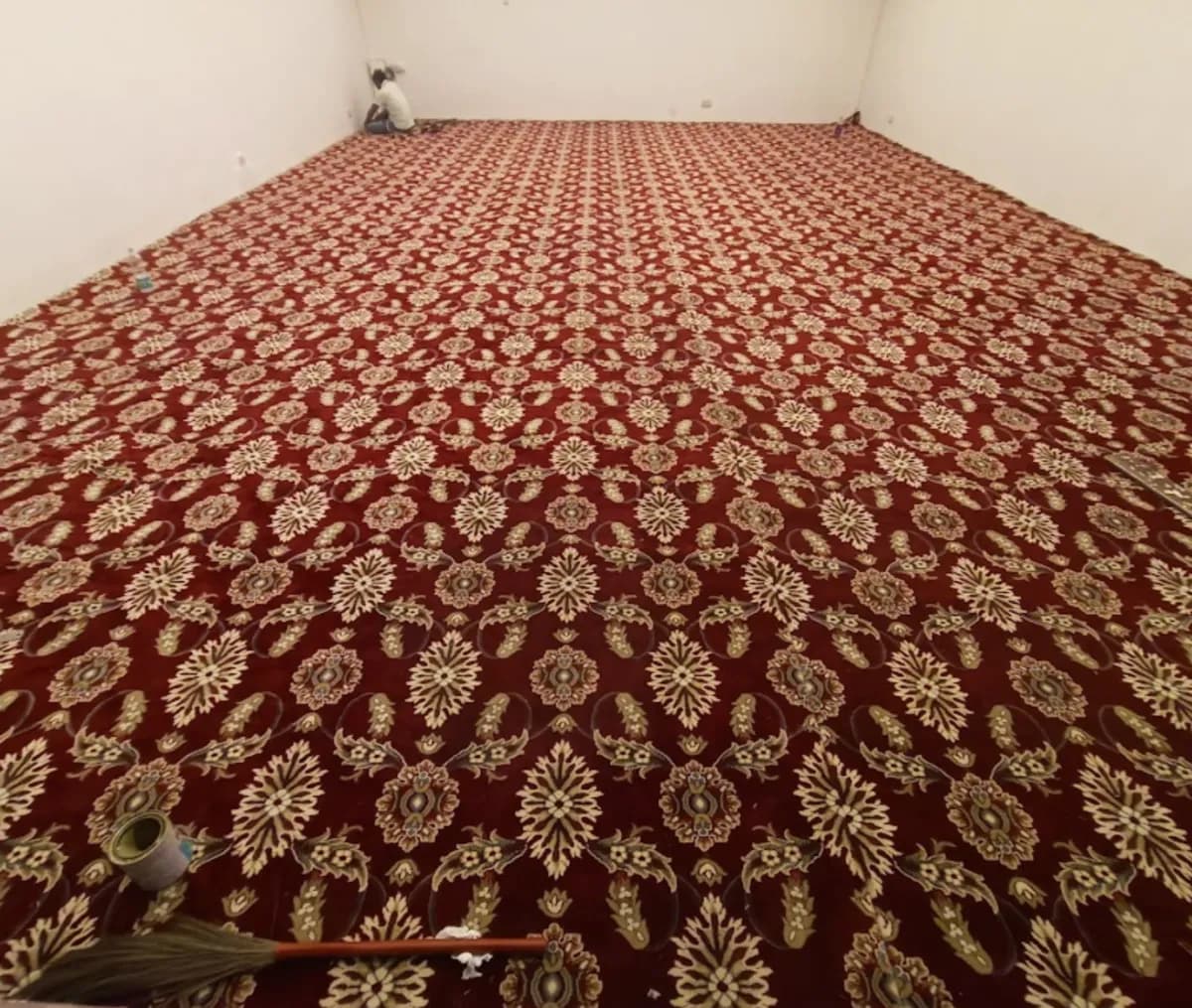
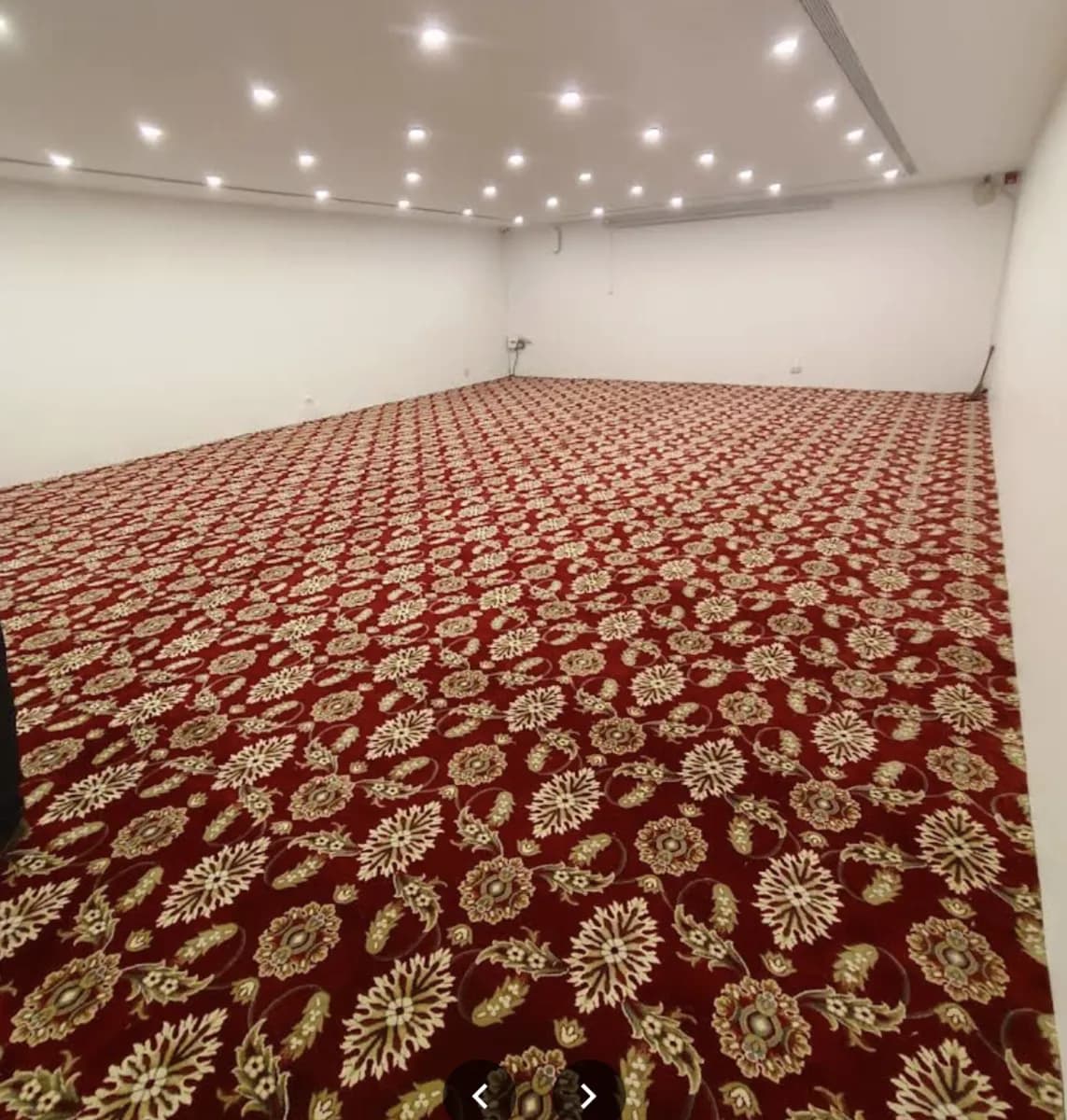
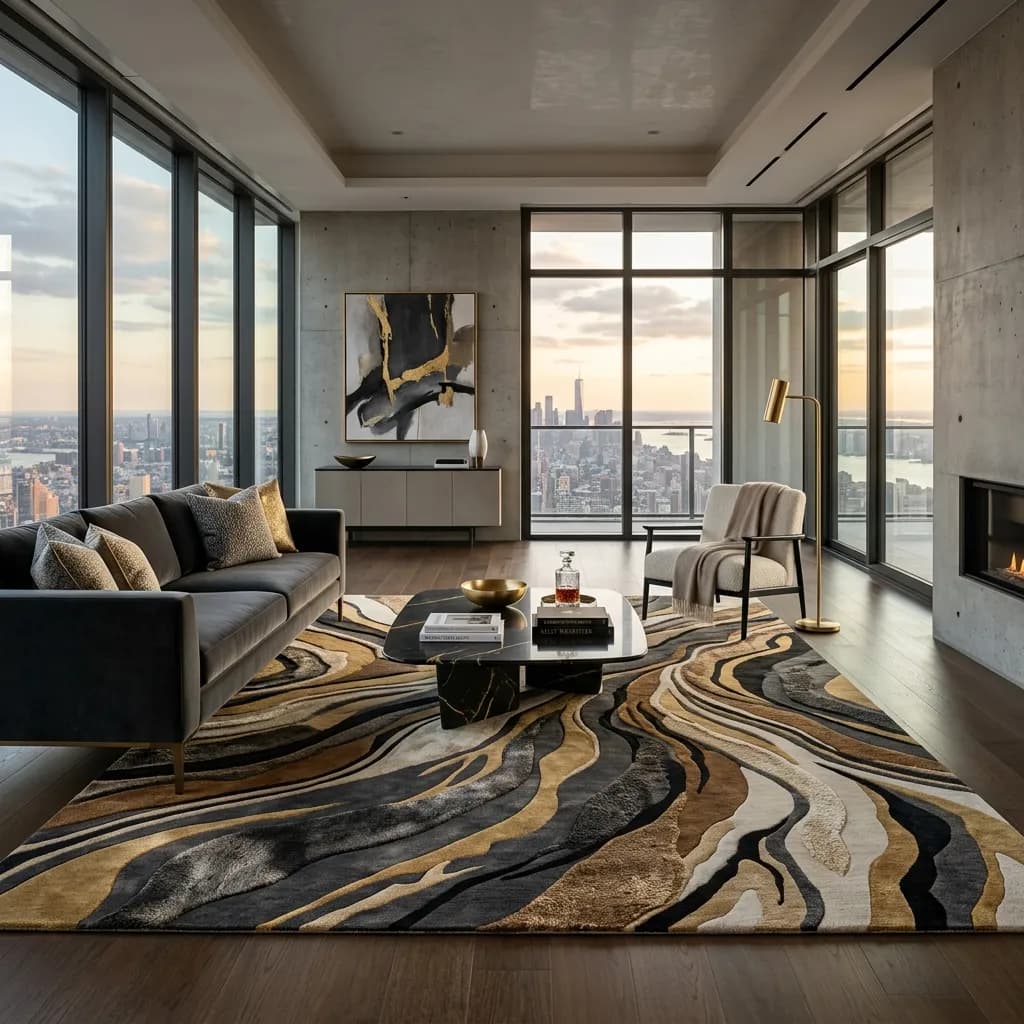
Machine-woven contemporary area rugs (also called floor carpets in Indian retail) — bold abstracts, geometrics, damask medallions and floral designs. 10 mm dense pile with heatset PP fibre and polyester for stain resistance. Standard rug sizes 3′×5′ to 6′×9′ plus long runners. For wall-to-wall installation, see our wool & 80/20 contract carpets.
- ▸TD-301 through TD-320 — abstract, striped, geometric, medallion designs
- ▸Floral clusters (TD-307), monochrome botanical (TD-308–309), Persian medallions (TD-317–322)
- ▸Sizes: 3′×5′ (₹7,100), 4′×6′ (₹11,400), 5′×7′ (₹16,600), 6′×9′ (₹25,650)
- ▸4-Piece Runner Room Set (2 × 5′ + 16″ × 24″) — ₹12,000
- ▸Terms used interchangeably: area rug, floor carpet, room rug, carpet
+20 more pages in the full Turkish Delight — Modern Area Rugs & Carpets catalog — including additional colourways and patterns.
Request Full Catalog →