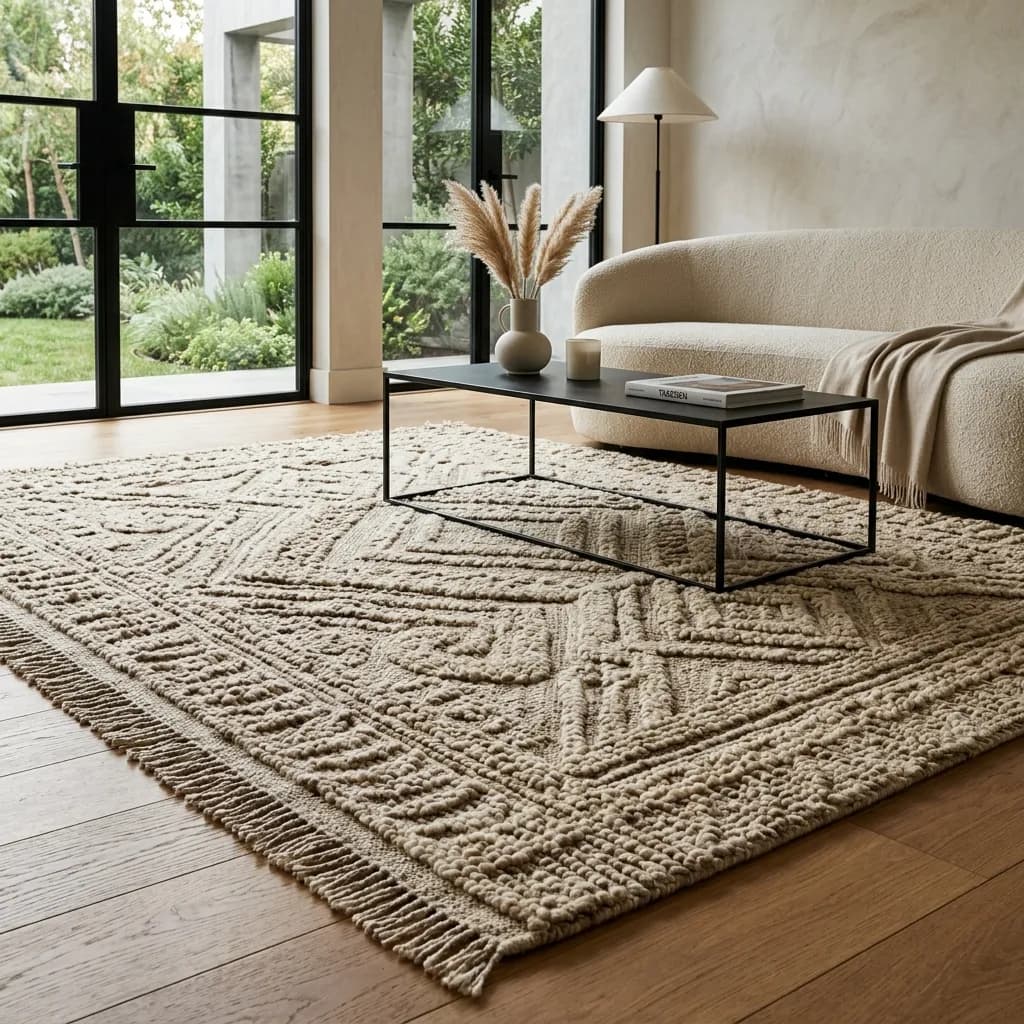
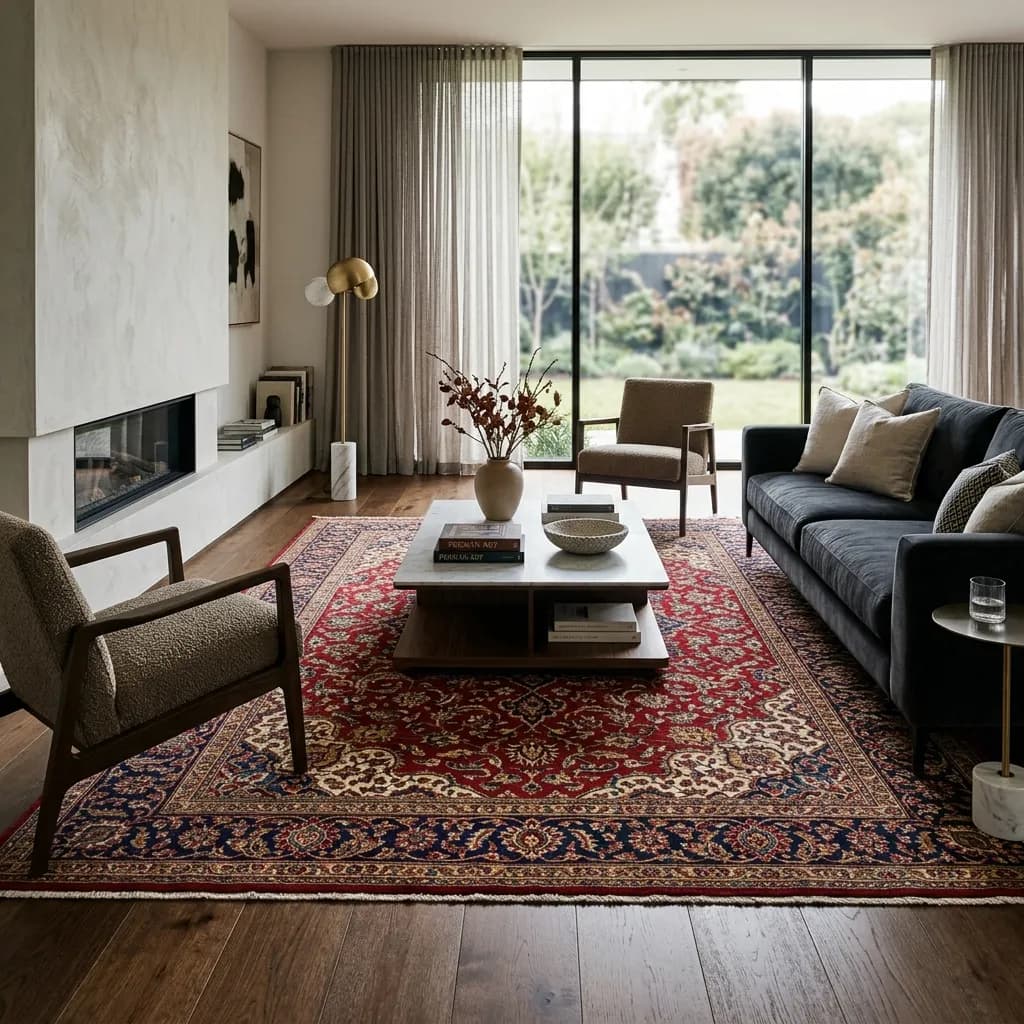
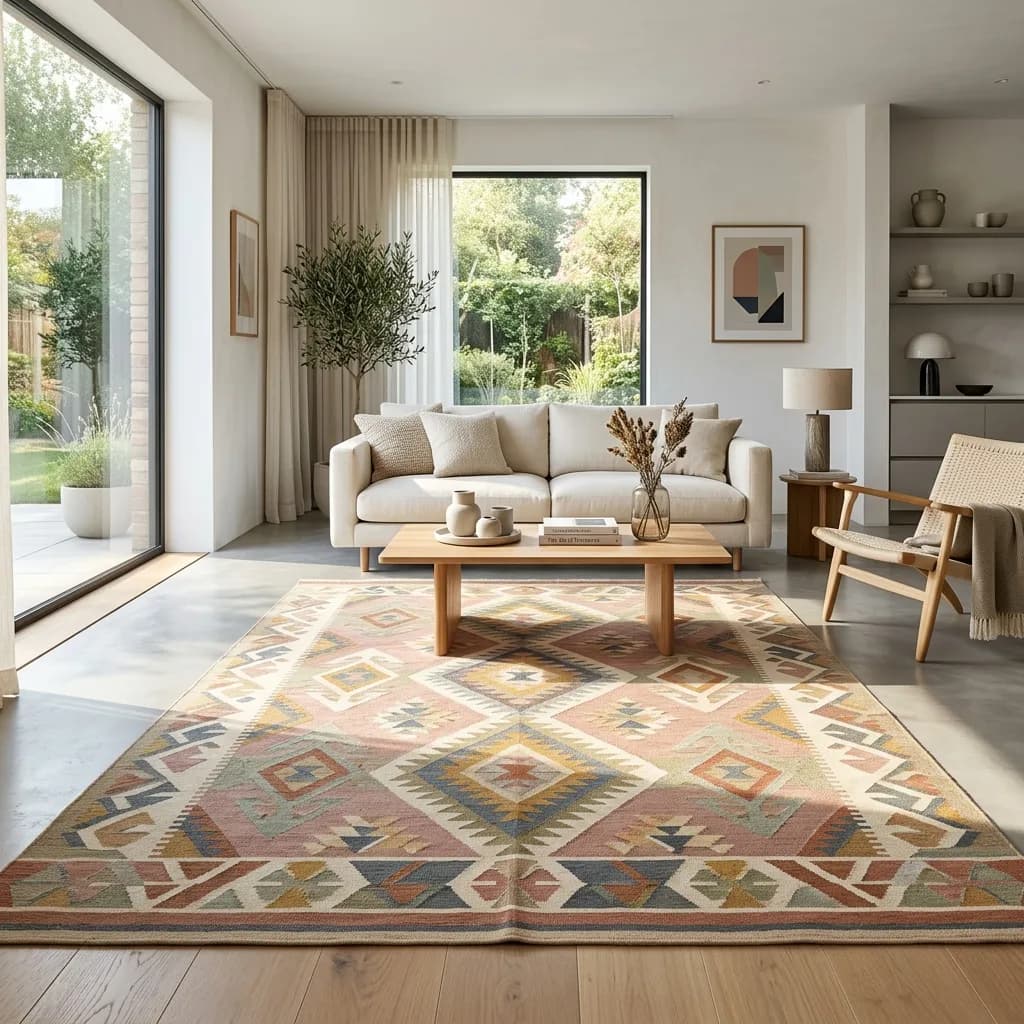
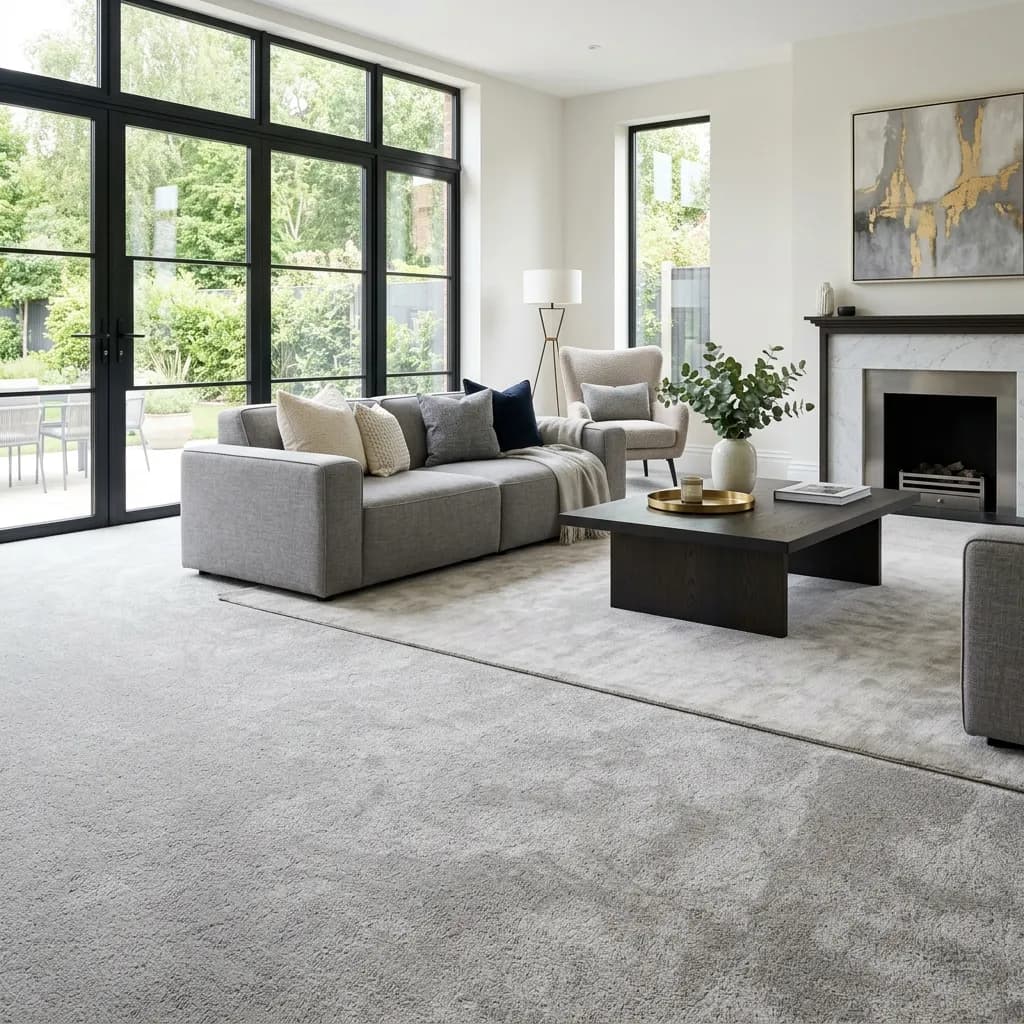
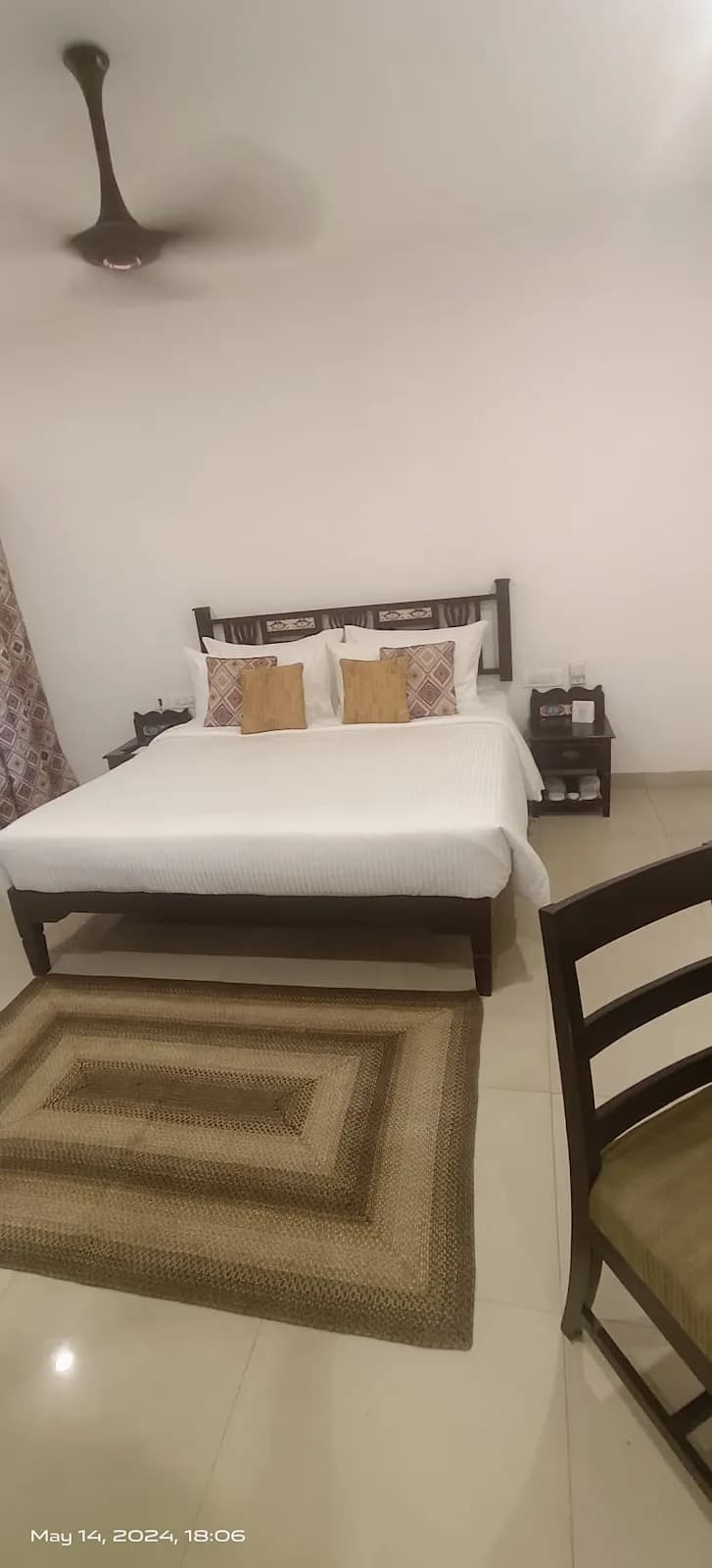
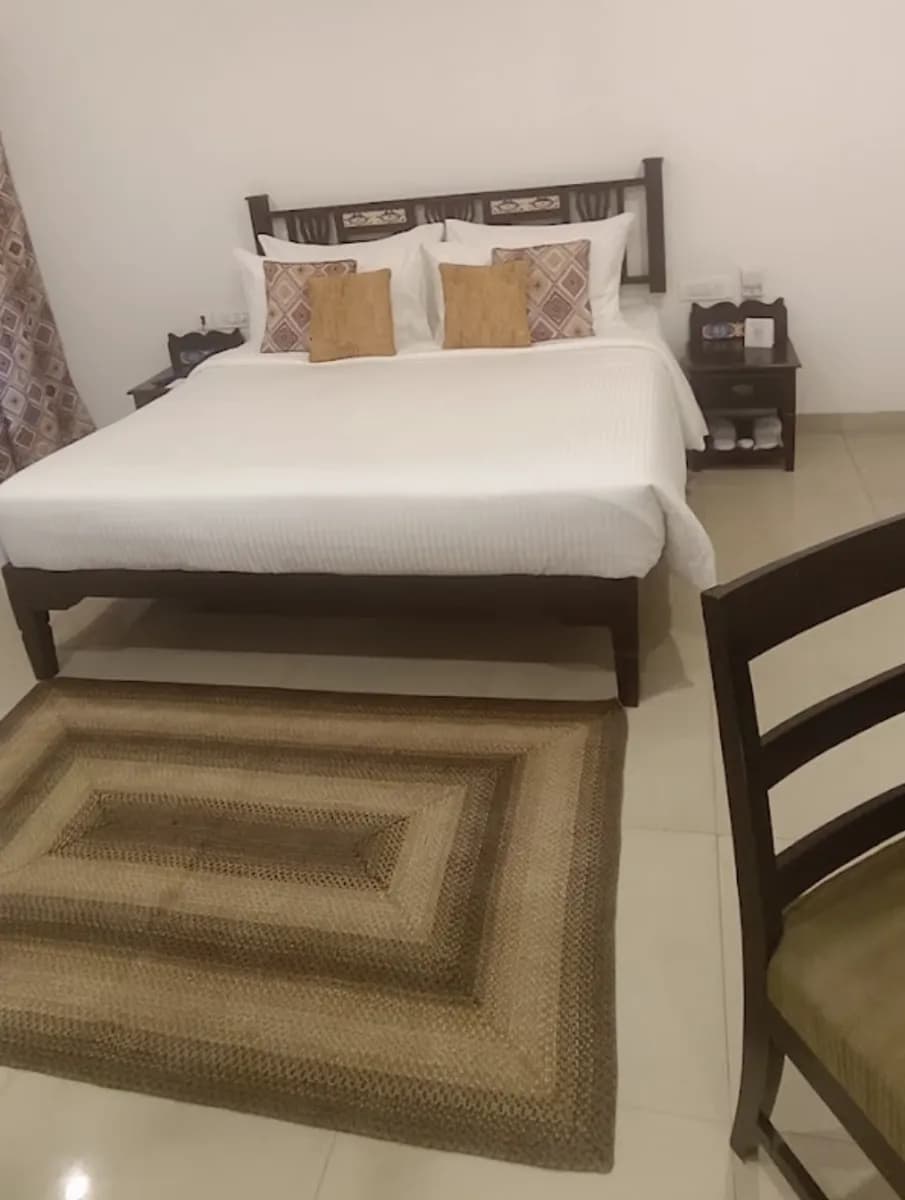
Guirim is far enough from the sea that the usual coastal warnings about wool and jute do not apply, and a household can choose a rug on looks and wear alone. Wear is what counts in a family flat. A flat-woven cotton dhurrie or a low-pile machine-made rug survives children, chairs and daily sweeping better than a shaggy one, and both are light enough to carry down for a beating when highway dust has built up. Keep to a size that one person can roll. In houses by the fields, the ground floor turns clammy in the monsoon; lift rugs then, or choose ones without a rubber back, which would hold wet against the tiles.
- Flats near the highway: a low-pile rug in a darker pattern, with a doormat at the entrance to trap grit before it spreads.
- Family living rooms in the housing colonies: a cotton dhurrie sized to the seating, reversible and easy to shake out.
- Ground-floor houses on the low ground: rugs that roll up for the wet months, and no fitted carpet, which would stay damp.
Guirim is a village on the highway between Porvorim and Mapusa. It has a large church and school on the hill, fields on the low ground, and a growing number of housing colonies and apartment buildings for people who work in Mapusa, Porvorim and Panjim.
Housing here is mainly family homes and mid-priced flats in newer buildings. People buy for everyday living, and look for durable, good-value furnishing.
Guirim is inland. Homes near the highway get traffic noise and dust; those on the low ground near the fields are humid in the monsoon.
Inland homes
A drier inland home can use wool, cotton dhurries and jute without trouble. Rugs gather the dust that comes in from the road, so choose sizes that can be taken out and beaten or vacuumed easily.
Apartments and town flats
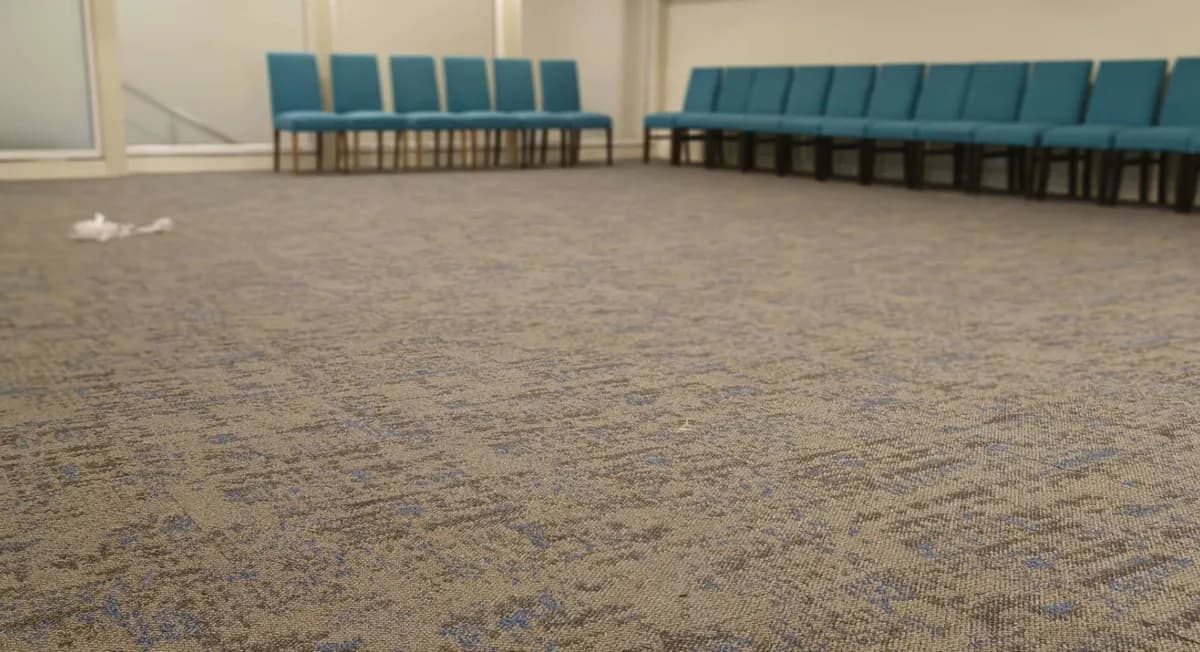
In a flat, a rug under the seating softens noise for the neighbours below. Leave a border of floor showing around it. Carpet tiles suit a home office because one stained tile can be changed.