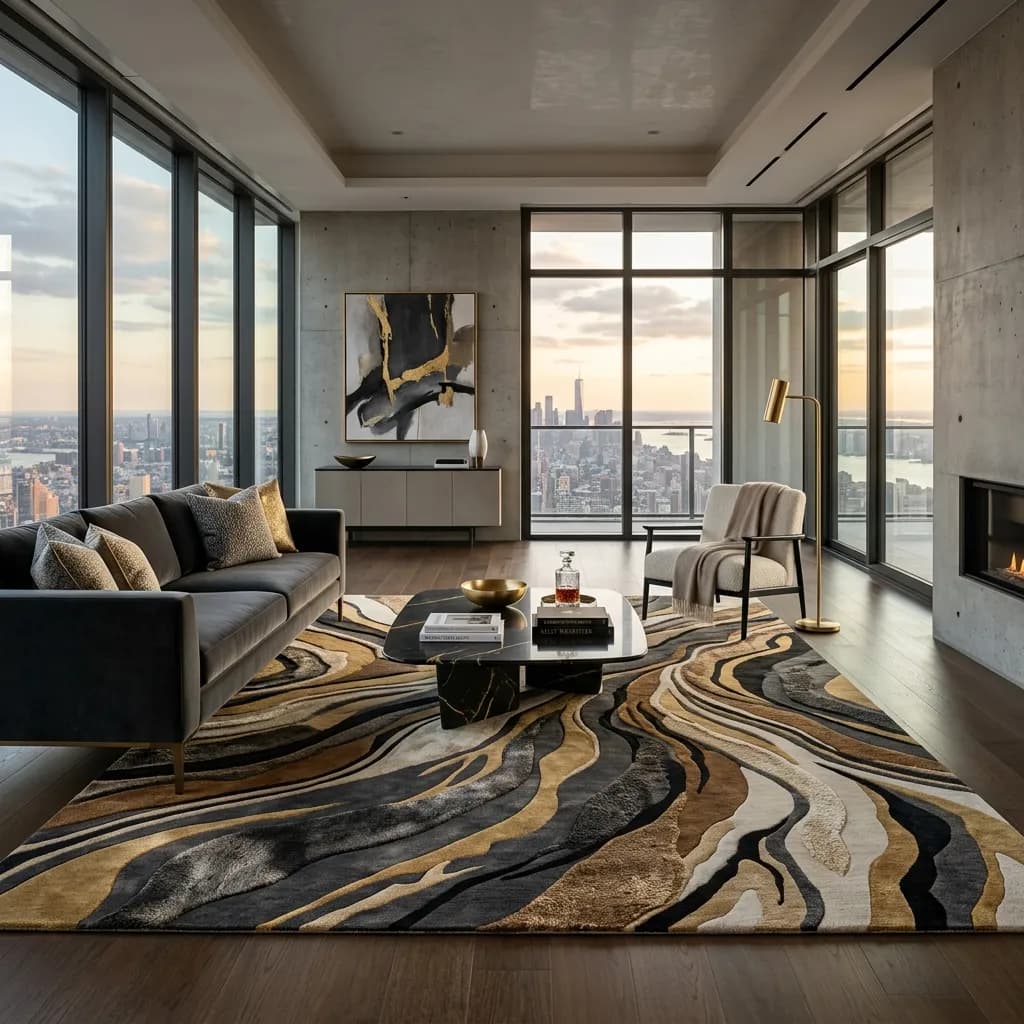
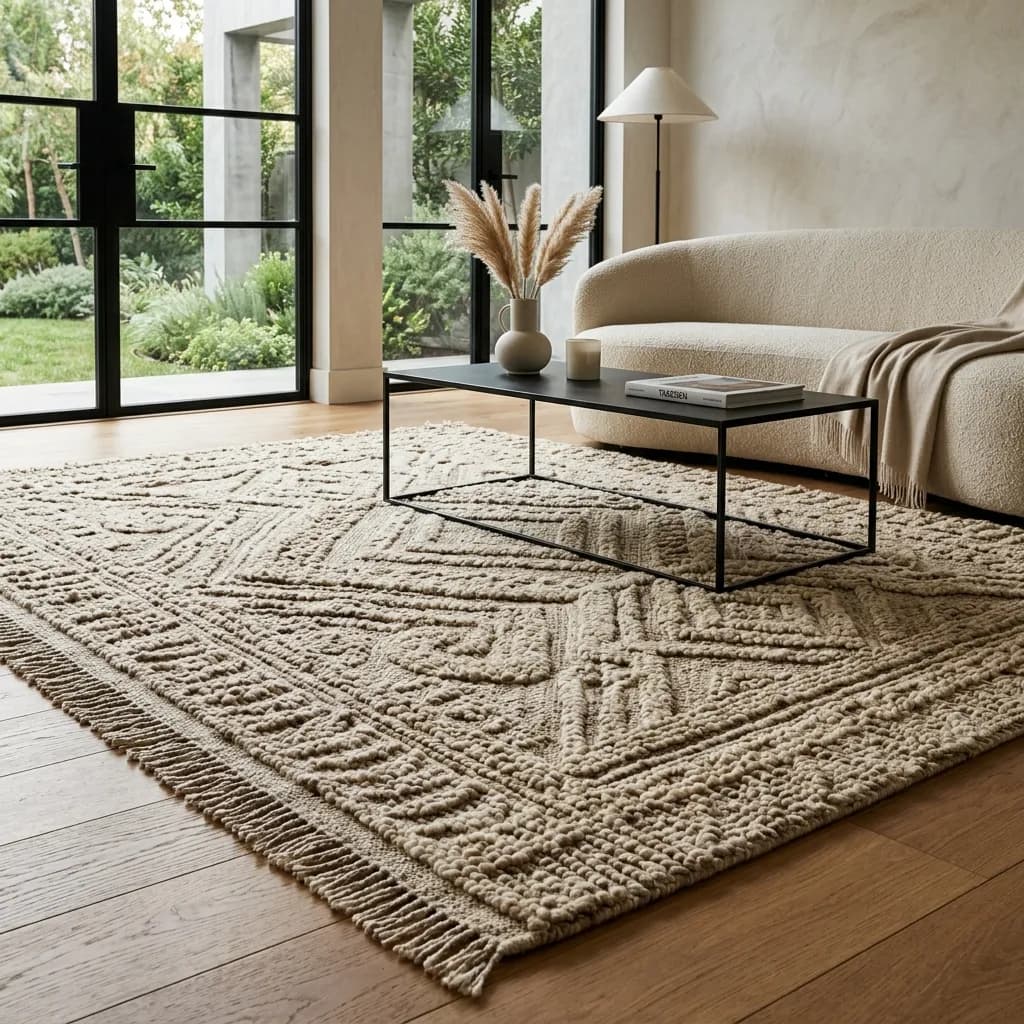
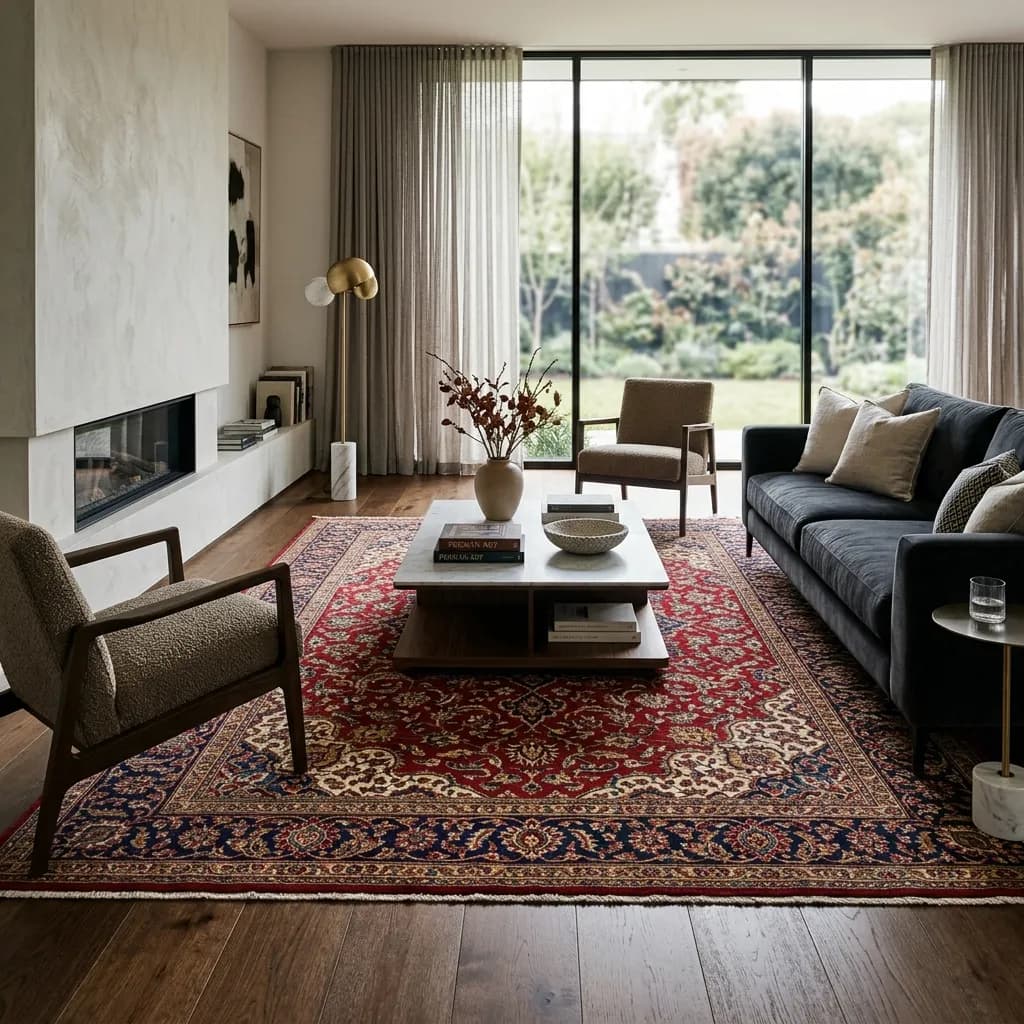
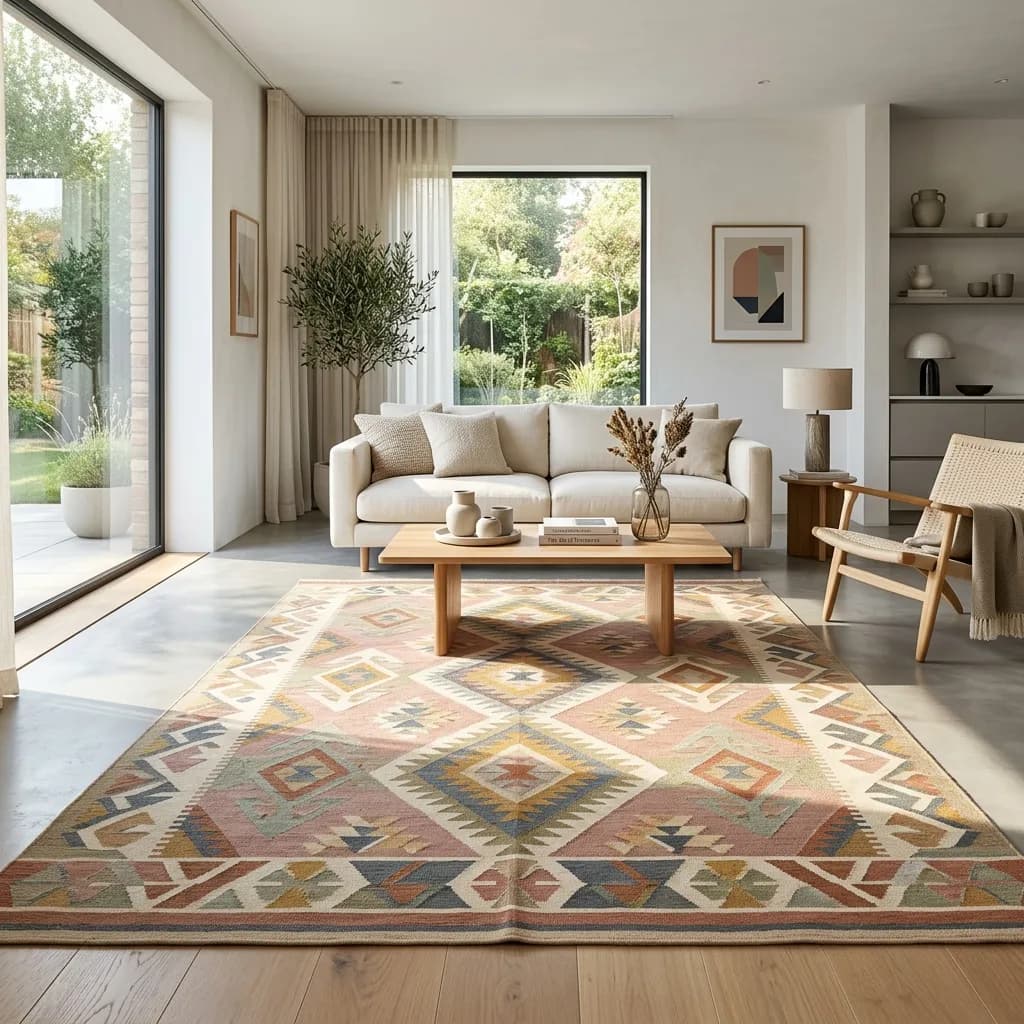
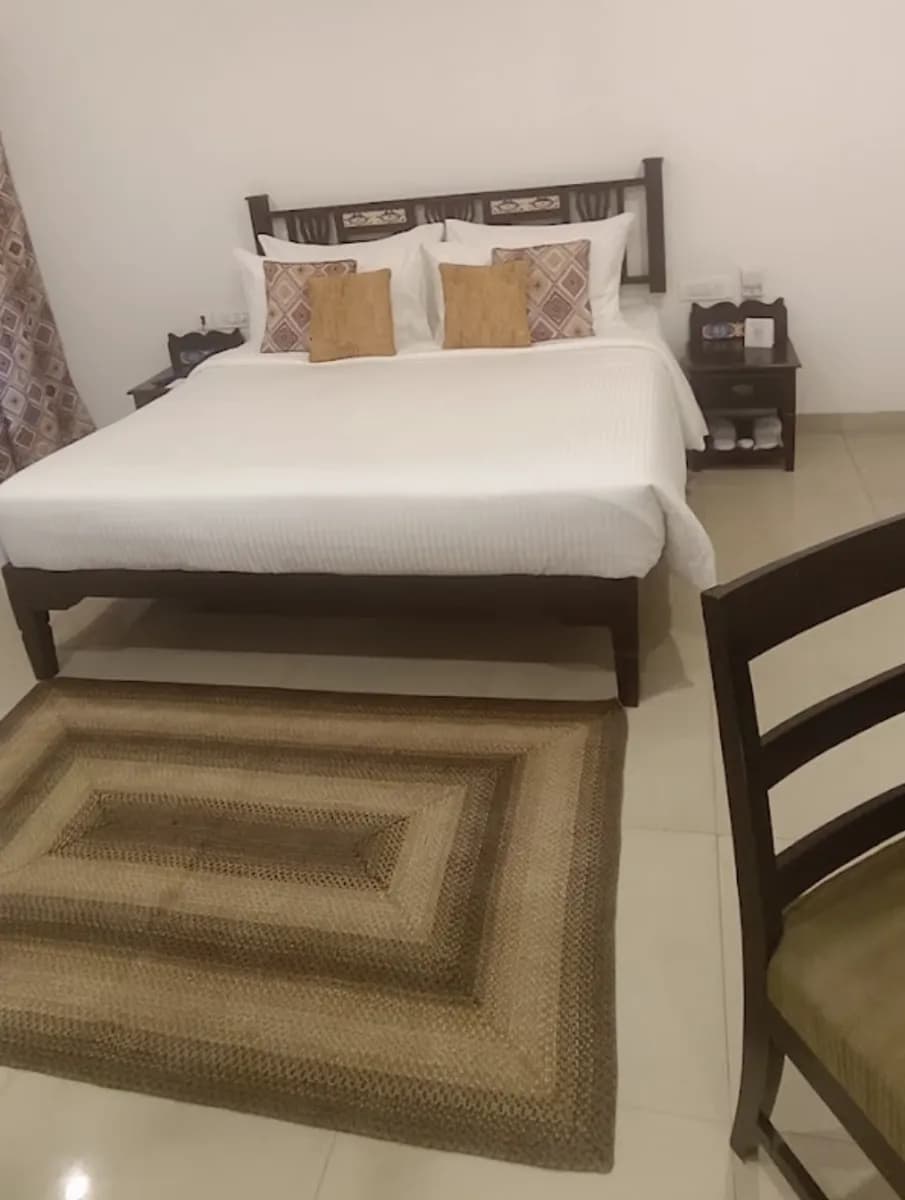
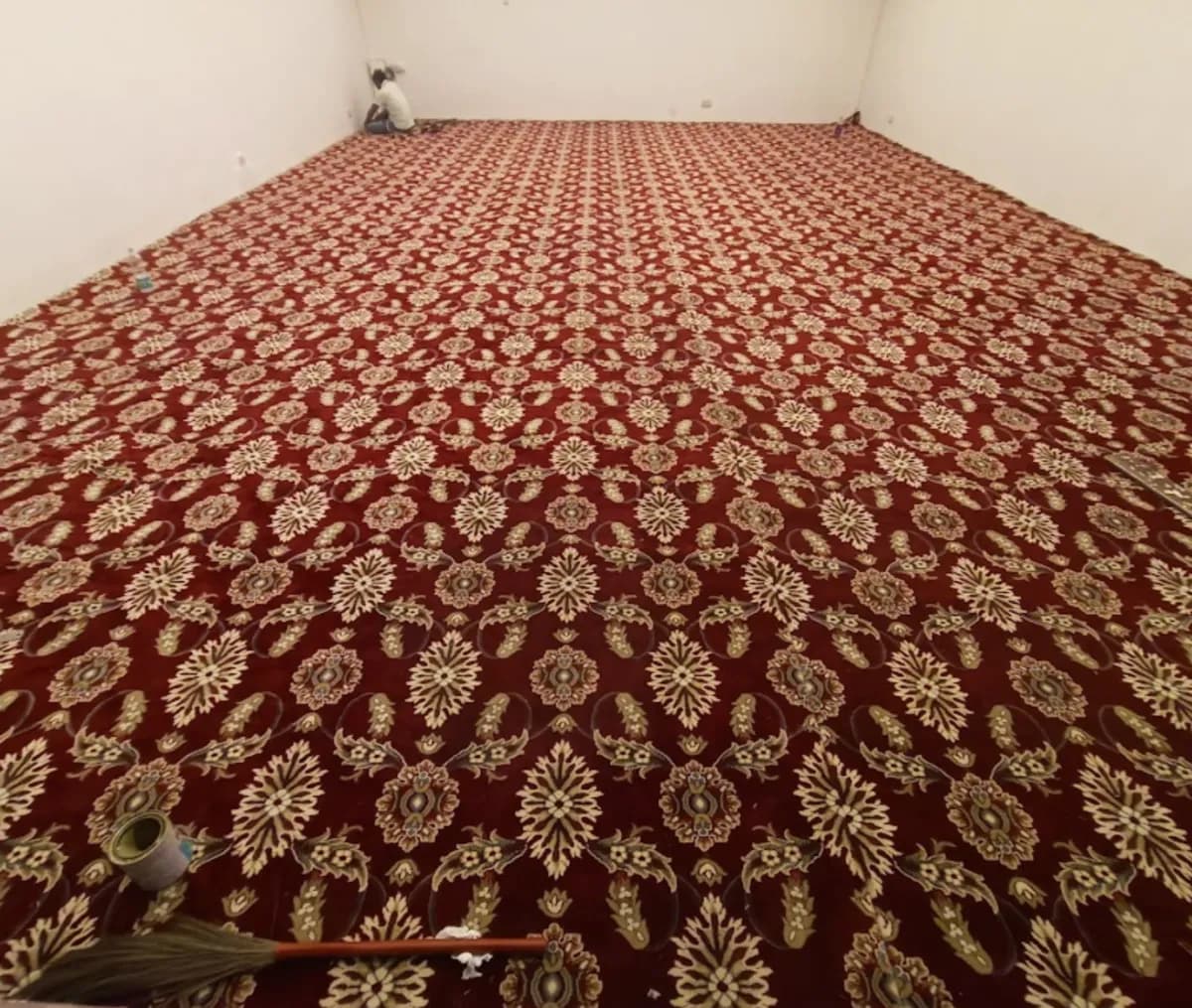
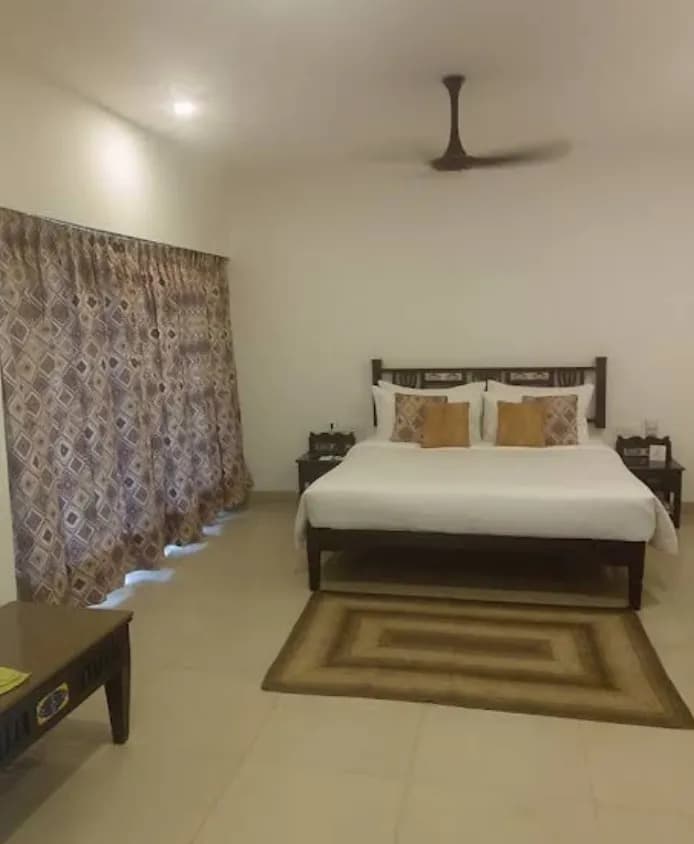
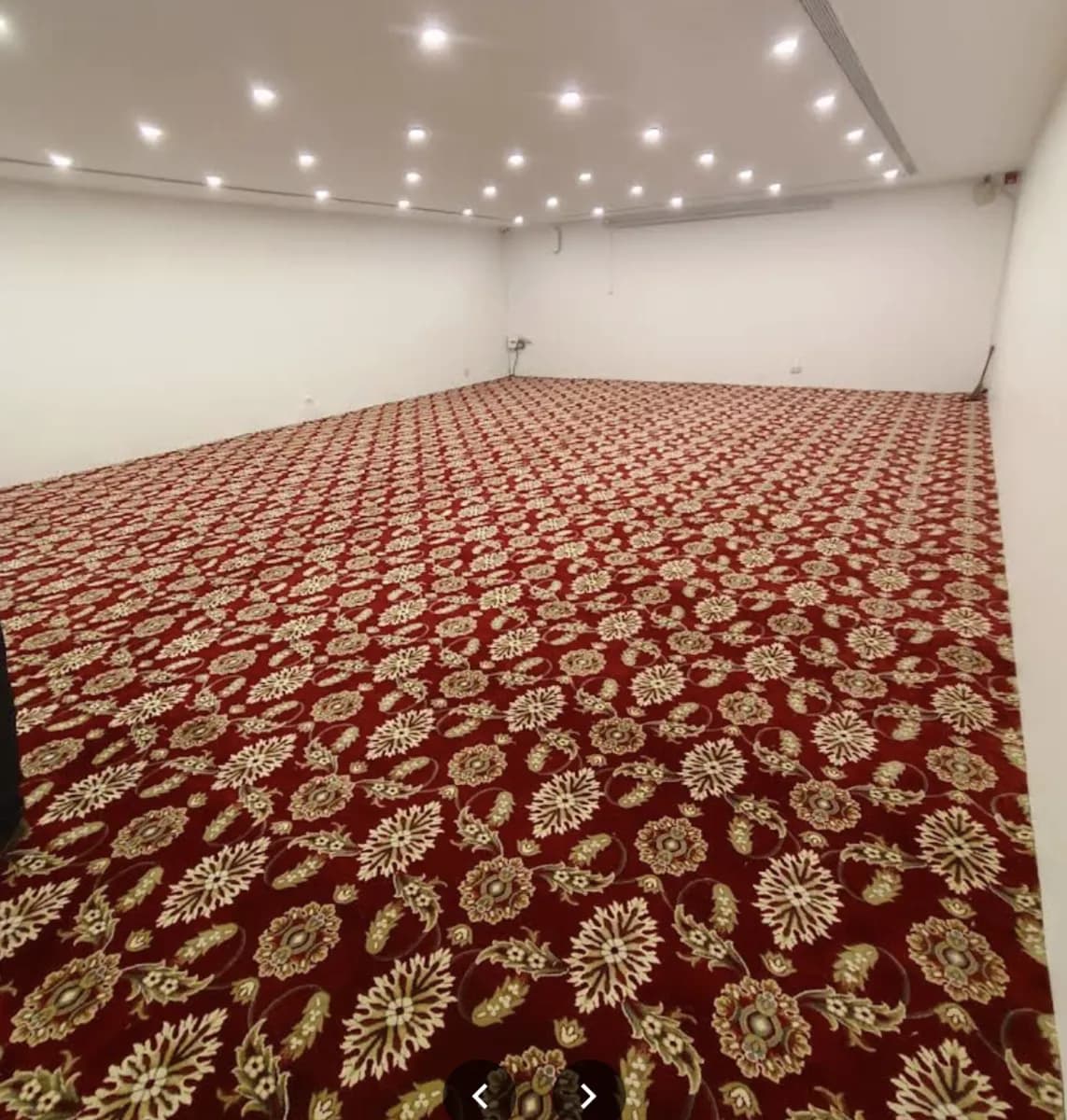
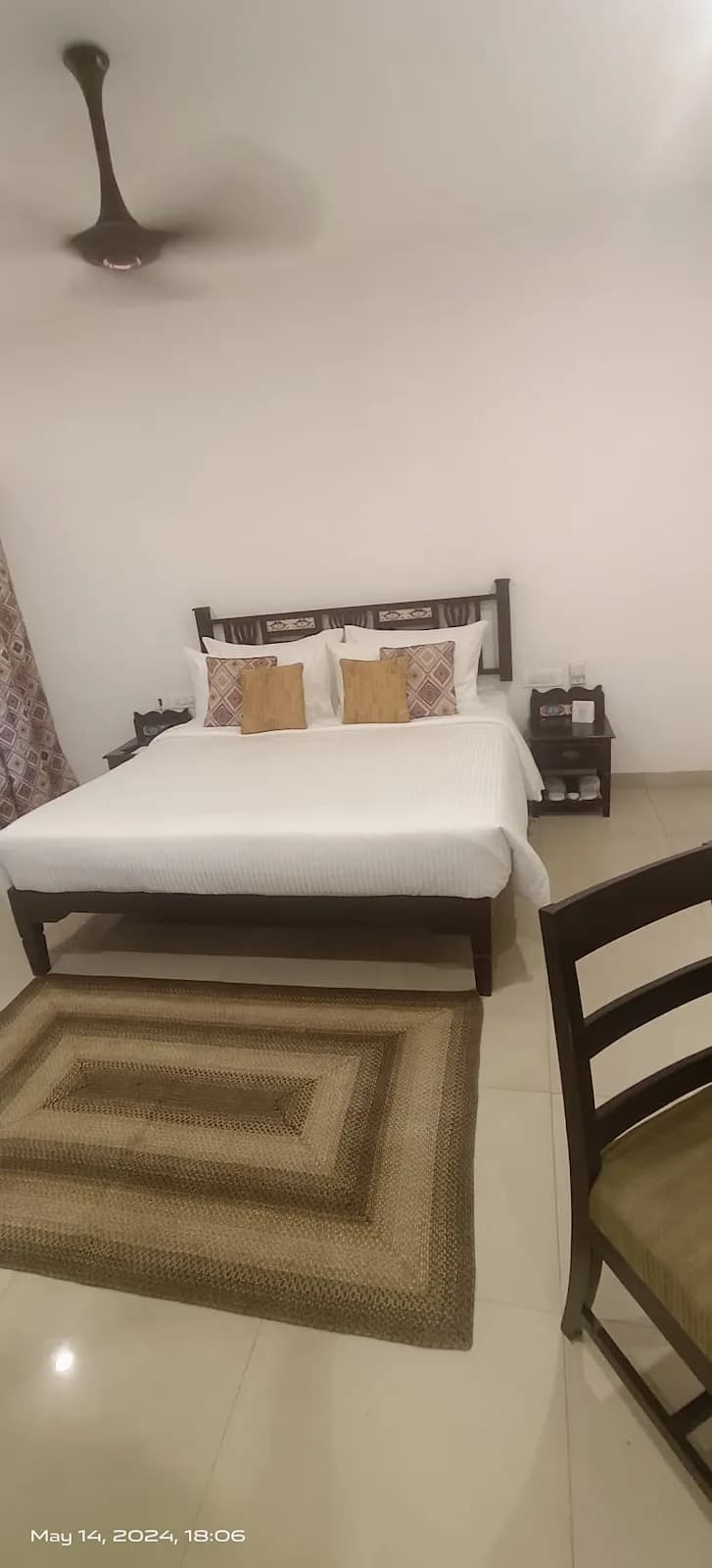
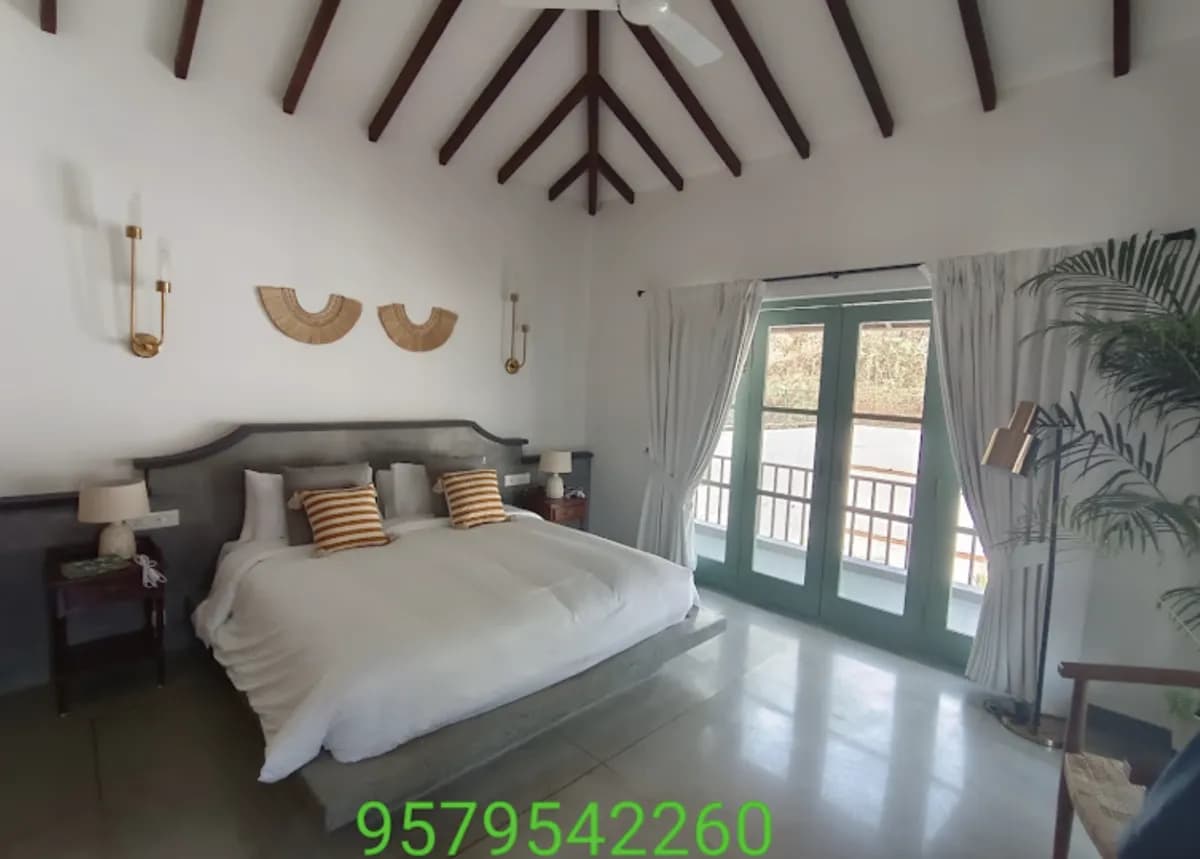
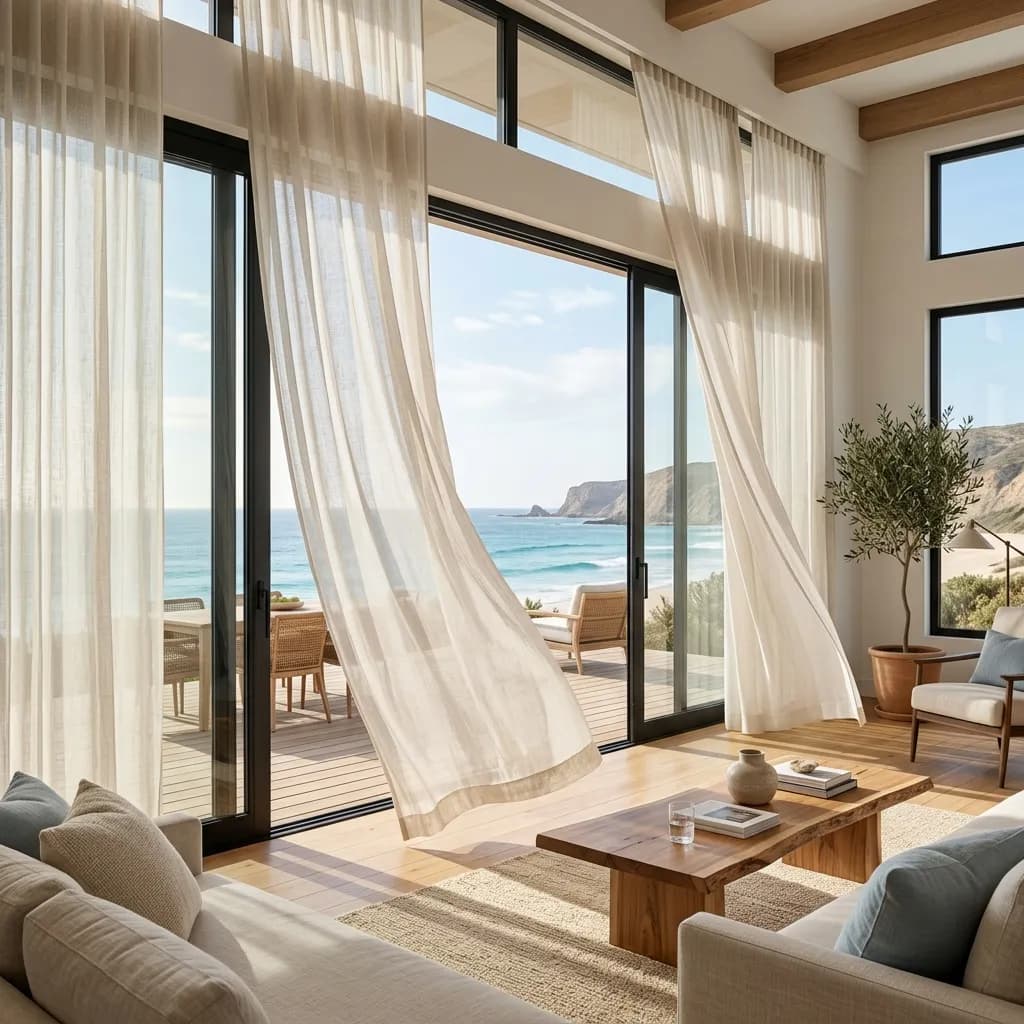
The floors of a Saligao house are often its best feature: old patterned tiles, or stone worn smooth, under a wooden ceiling. They call for loose rugs, never carpet glued over them. Flat-woven dhurries and rugs of Persian pattern go with the furniture, and an underlay stops them sliding on polished tile. Natural fibres are at home in an inland village, with one seasonal warning. When the fields are wet in the monsoon the humidity stays high for months, and a wool or jute rug on a ground floor should be lifted and aired on dry days. In the newer villas the rooms are large, so buy the rug big enough for all the seating to stand on.
- Halls with old tiled floors: a cotton dhurrie, or a rug in a Persian design, over a non-slip underlay, leaving the pattern of the tiles on view.
- Villa living rooms: one large rug that takes the front legs of every sofa and chair, chosen once the layout is fixed.
- Staircases and bedrooms in new villas: runners and bedside rugs cut to the actual steps and room, which are seldom standard.
Saligao is a village between Porvorim and Calangute, known for the Gothic-style church of Mãe de Deus standing among the fields. It has many well-kept old houses, a strong village community, and restaurants and villas that have come up in recent years.
Saligao houses are classic Goan village homes, often large, with balcões, wooden ceilings and tall windows. Several have been restored, and new villas have been built in a similar style.
The village is inland and green, sheltered from sea wind. Fields around it are wet in the monsoon, so humidity is high for several months.
Old Goan houses
Old tiled and stone floors are part of the house, so use rugs, not fitted carpet. A dhurrie or a Persian-style rug suits the furniture, with an underlay so it does not slip on polished tiles.
Inland homes
A drier inland home can use wool, cotton dhurries and jute without trouble. Rugs gather the dust that comes in from the road, so choose sizes that can be taken out and beaten or vacuumed easily.