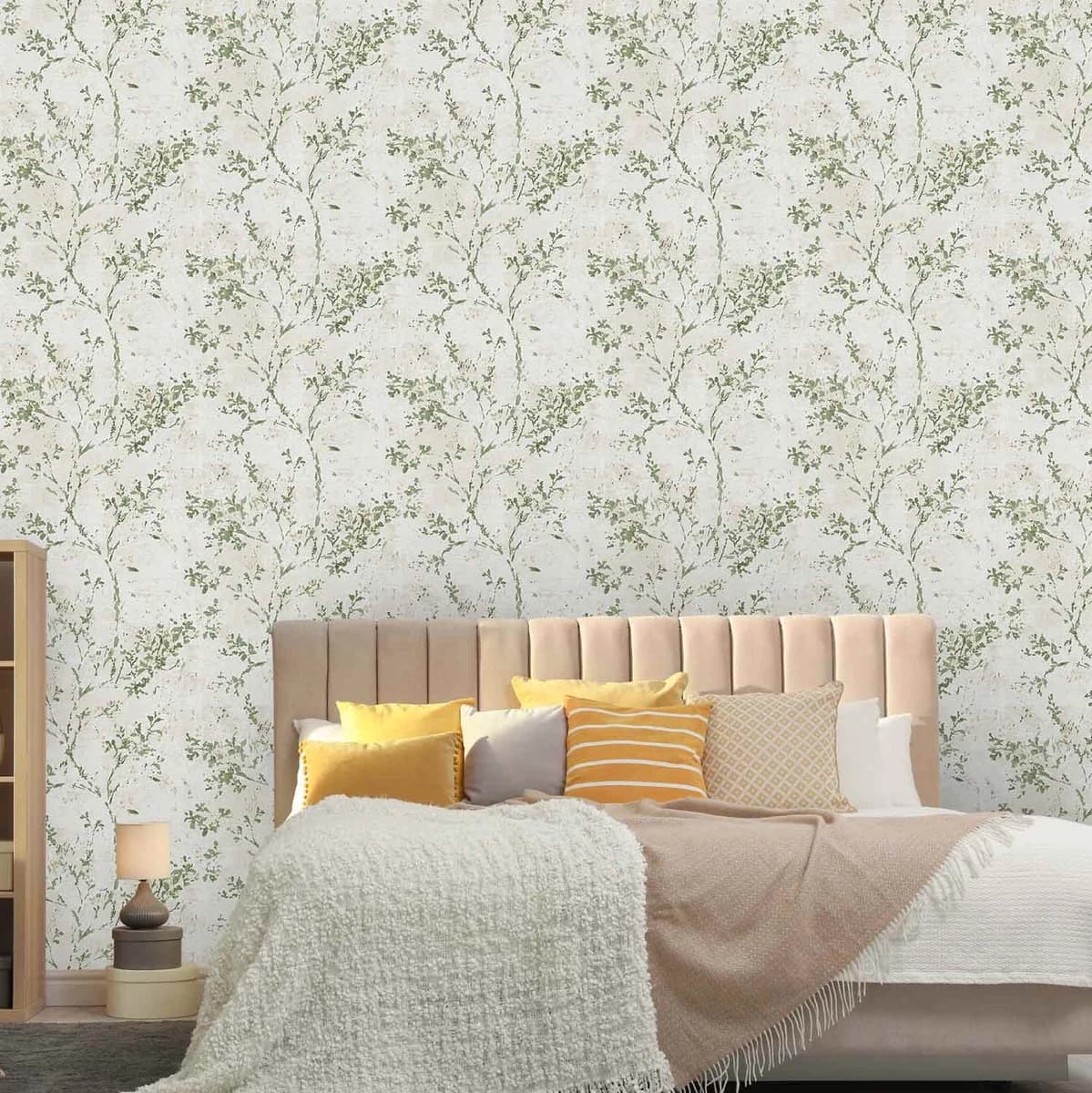
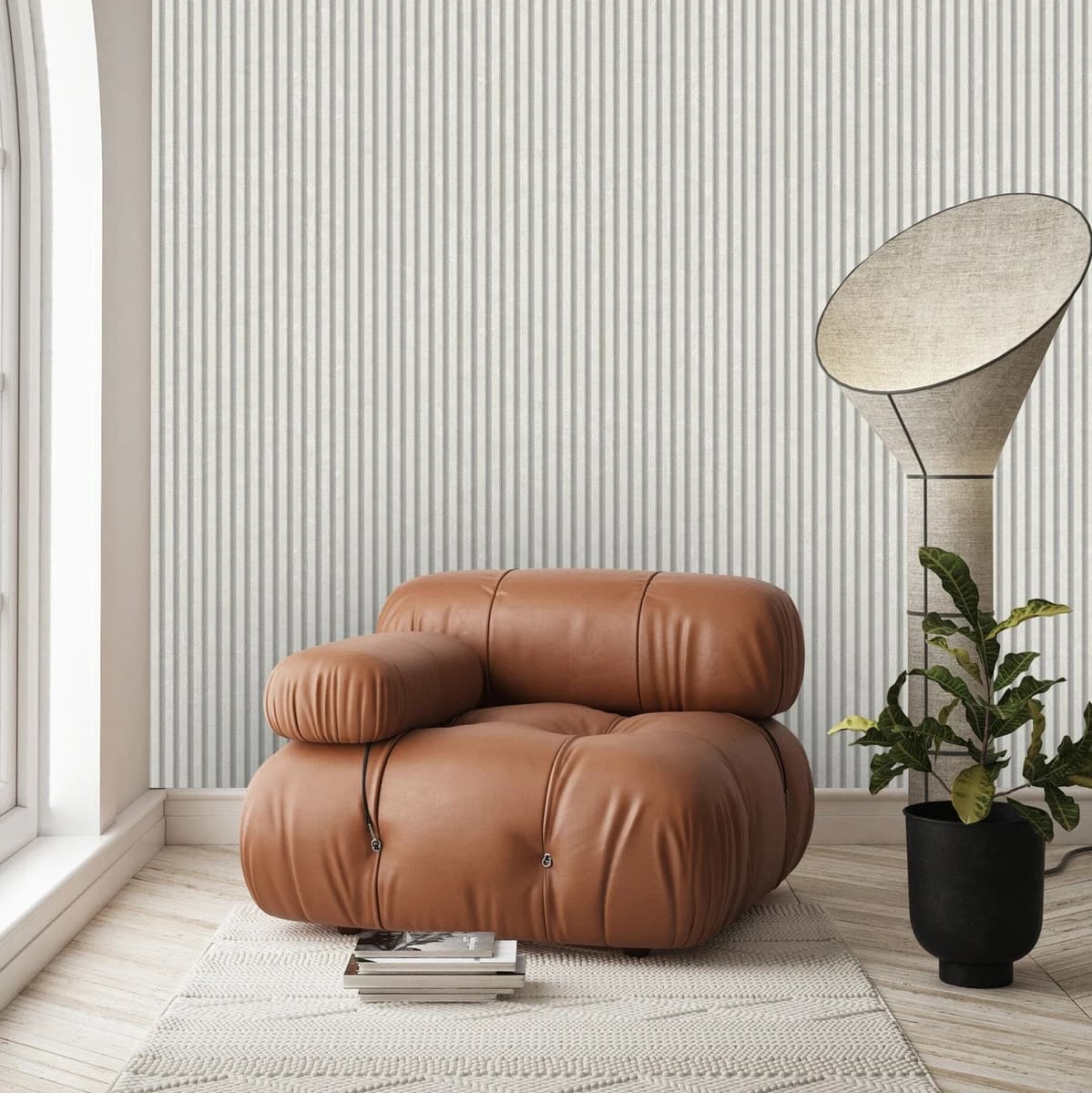
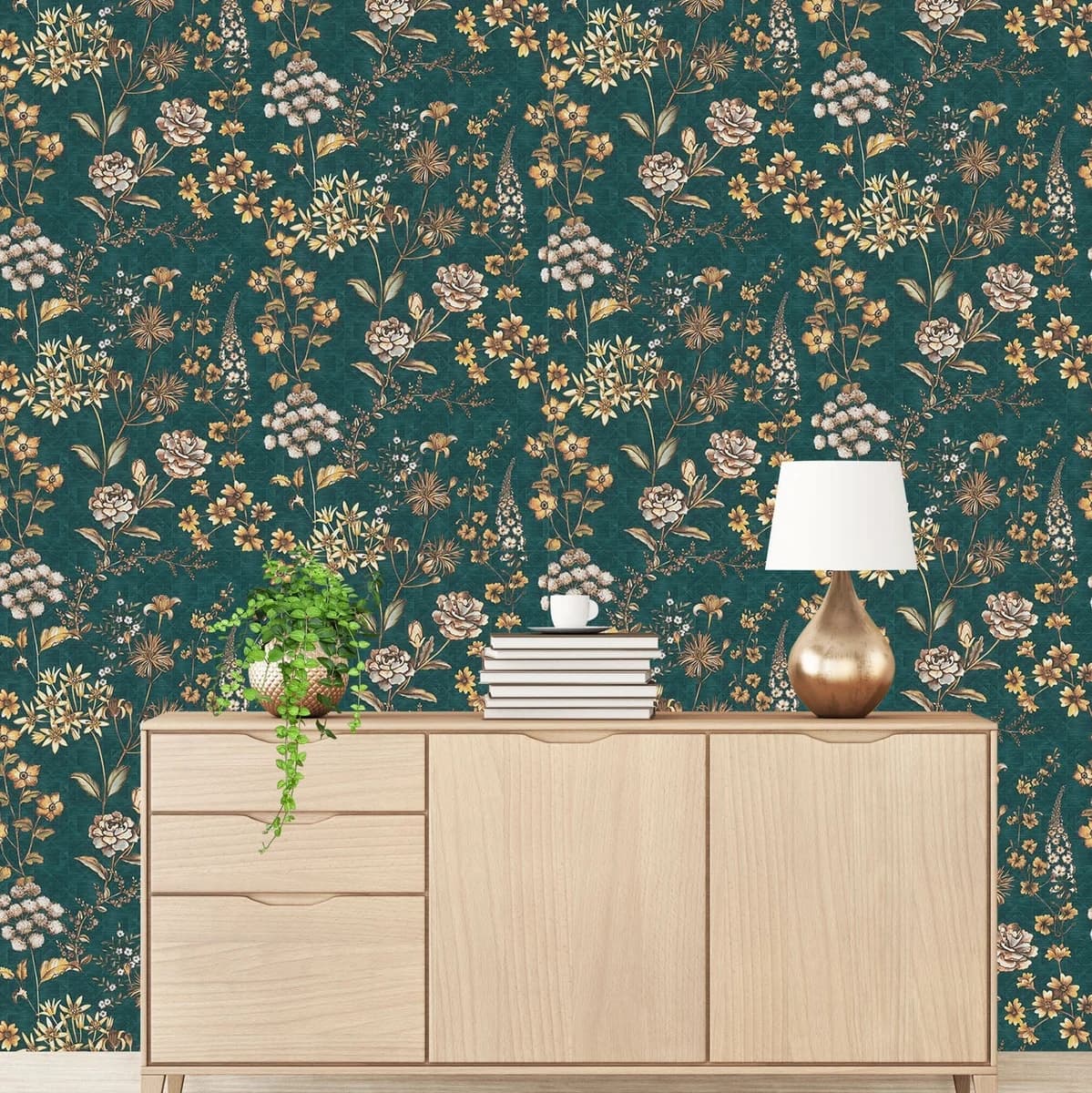
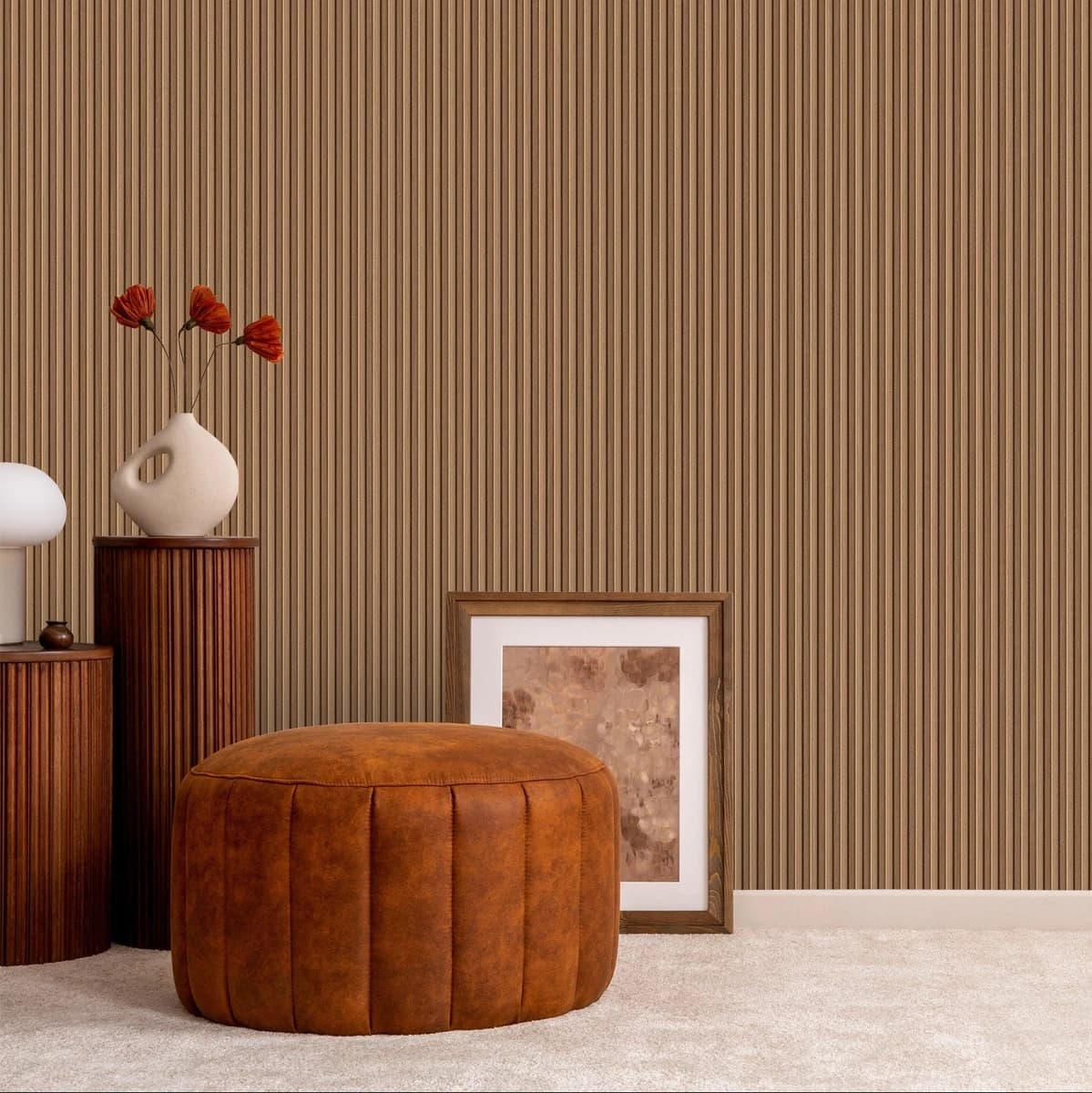
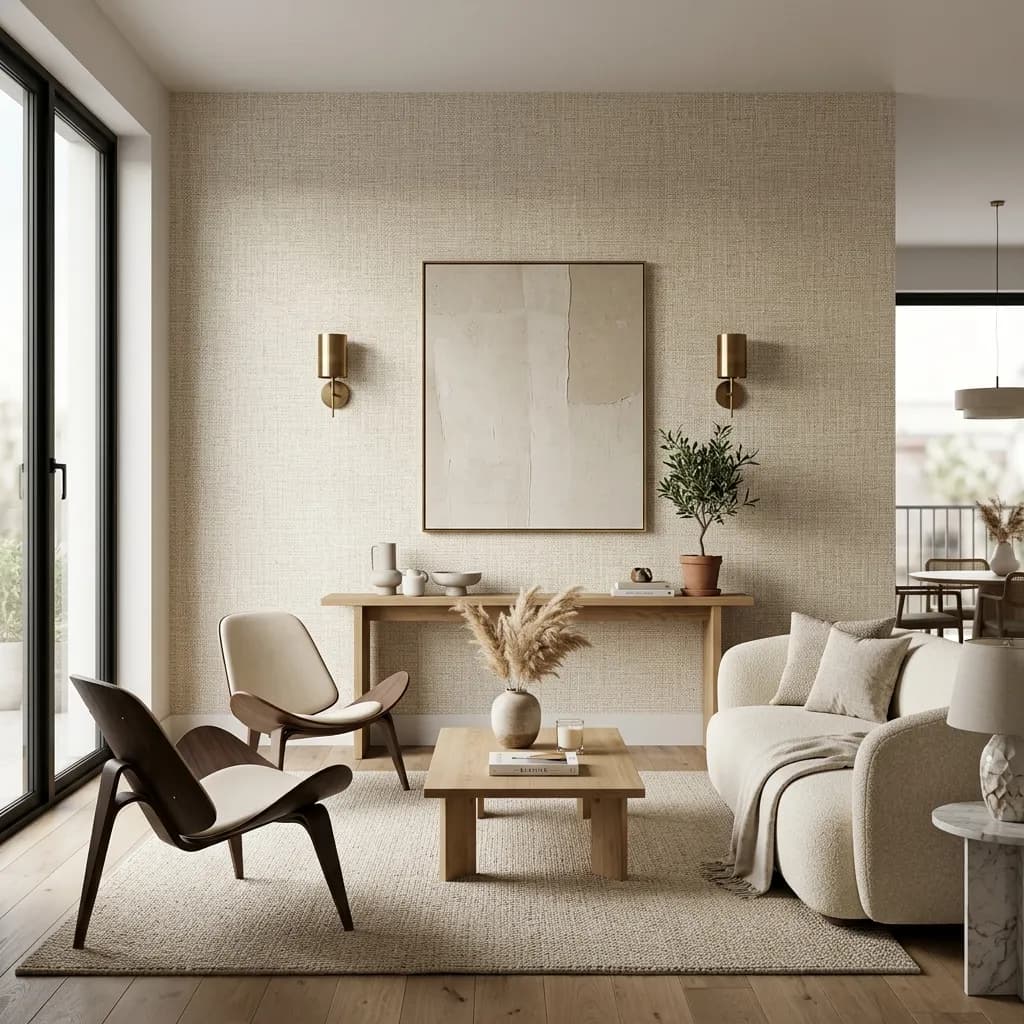
The honest answer for most walls in a Moira house is not to paper them. They are thick, lime-plastered and meant to breathe, and in this low-lying village they draw moisture up from the ground each monsoon, leaving a damp band along the skirting. Vinyl over that traps the water and the seams lift. The place for wallpaper is a wall added during restoration: a brick or board partition forming a bathroom, a dressing area or a study, which is dry and flat. There, a single well-chosen paper can do a lot, and an imported botanical or hand-drawn design sits comfortably with old furniture. Have the wall tested for moisture before anything is ordered.
- Original lime-plastered walls: leave them in limewash or breathable paint, however sound and dry they look in the dry season.
- Partition walls added in restoration: vinyl designer wallpaper, stopped short of any junction with a damp old wall beside it.
- Thick walls that stay damp at the base: PVC wall panels on a ventilated frame are the answer there, never wallpaper.
Moira is a village east of Mapusa, set on a river inlet among fields. It is known for its church with its unusual facade, its bananas, and its many old houses, a good number of which have been bought and restored by writers, artists and families from outside Goa.
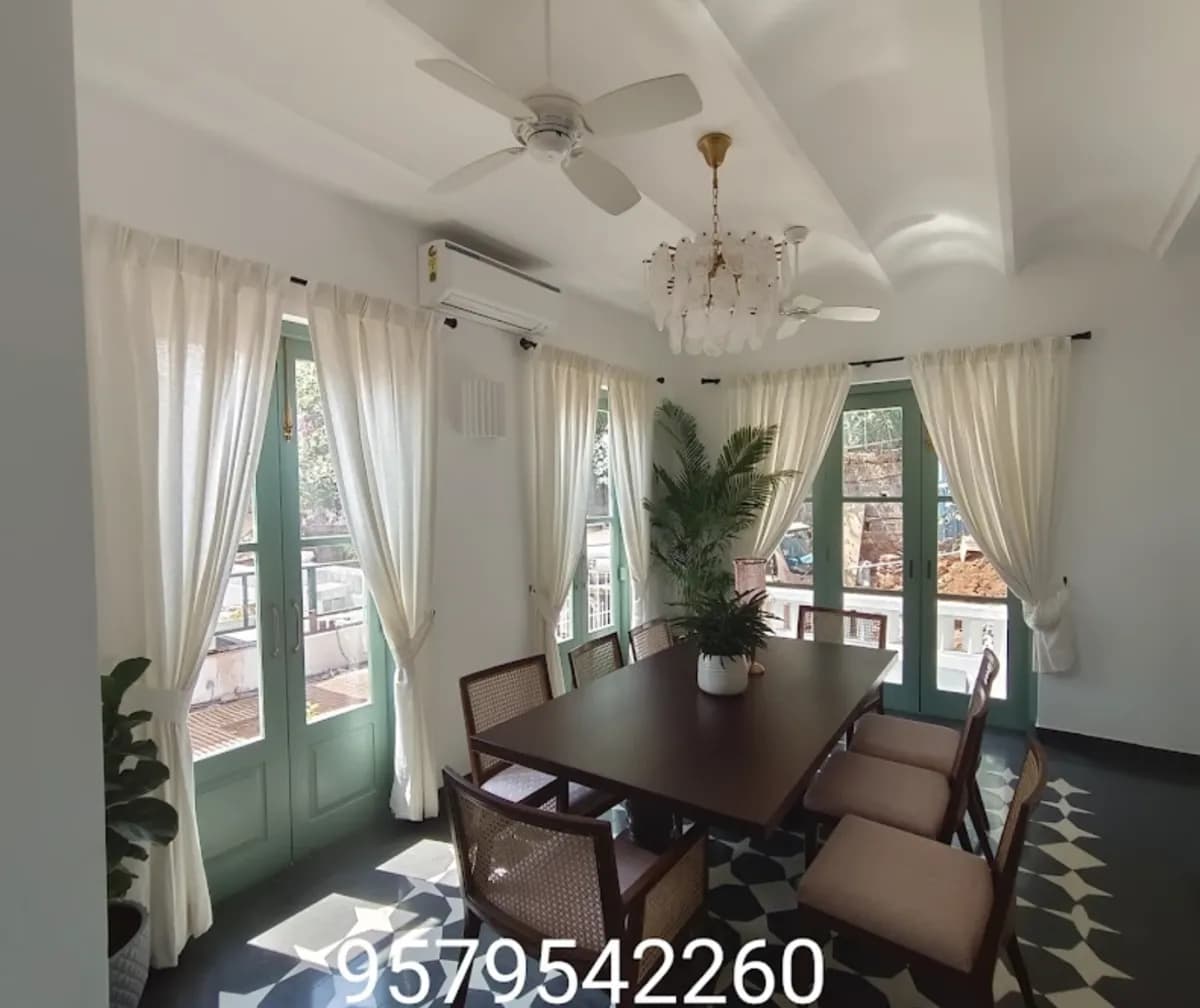
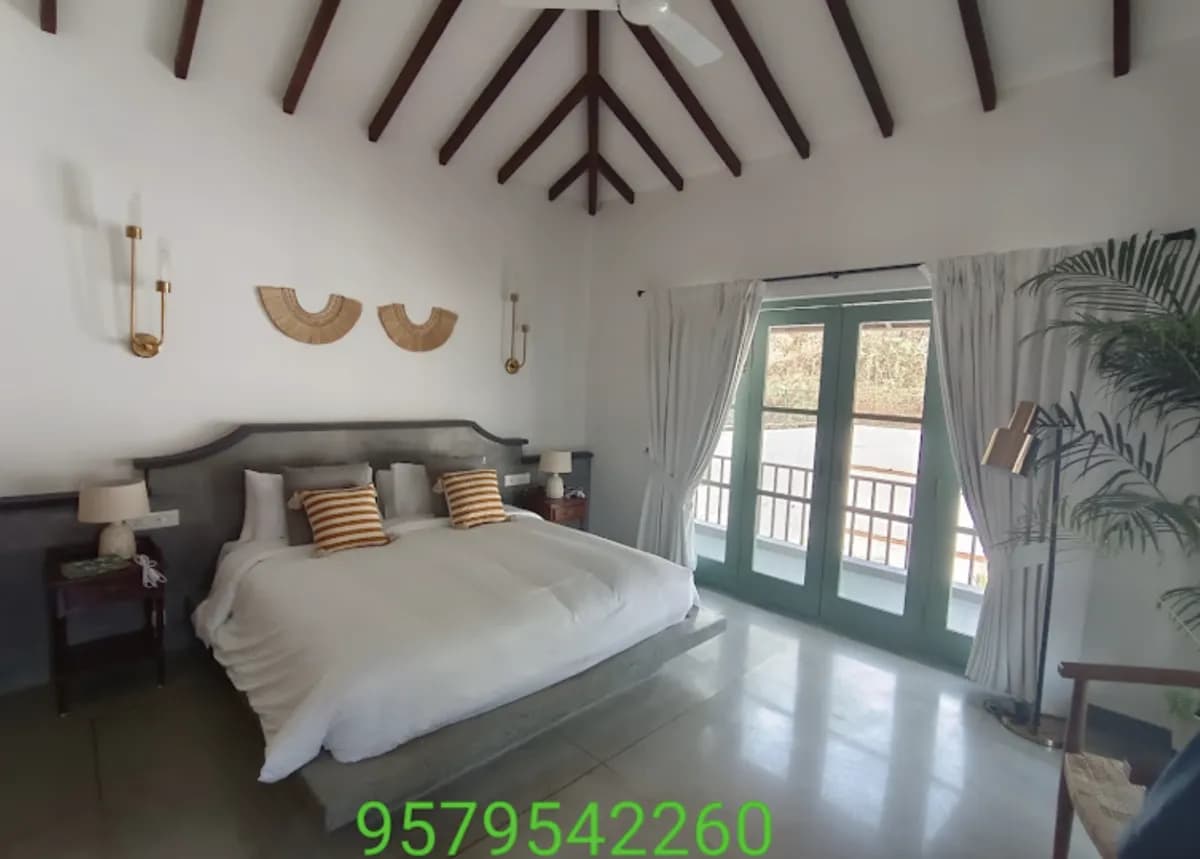
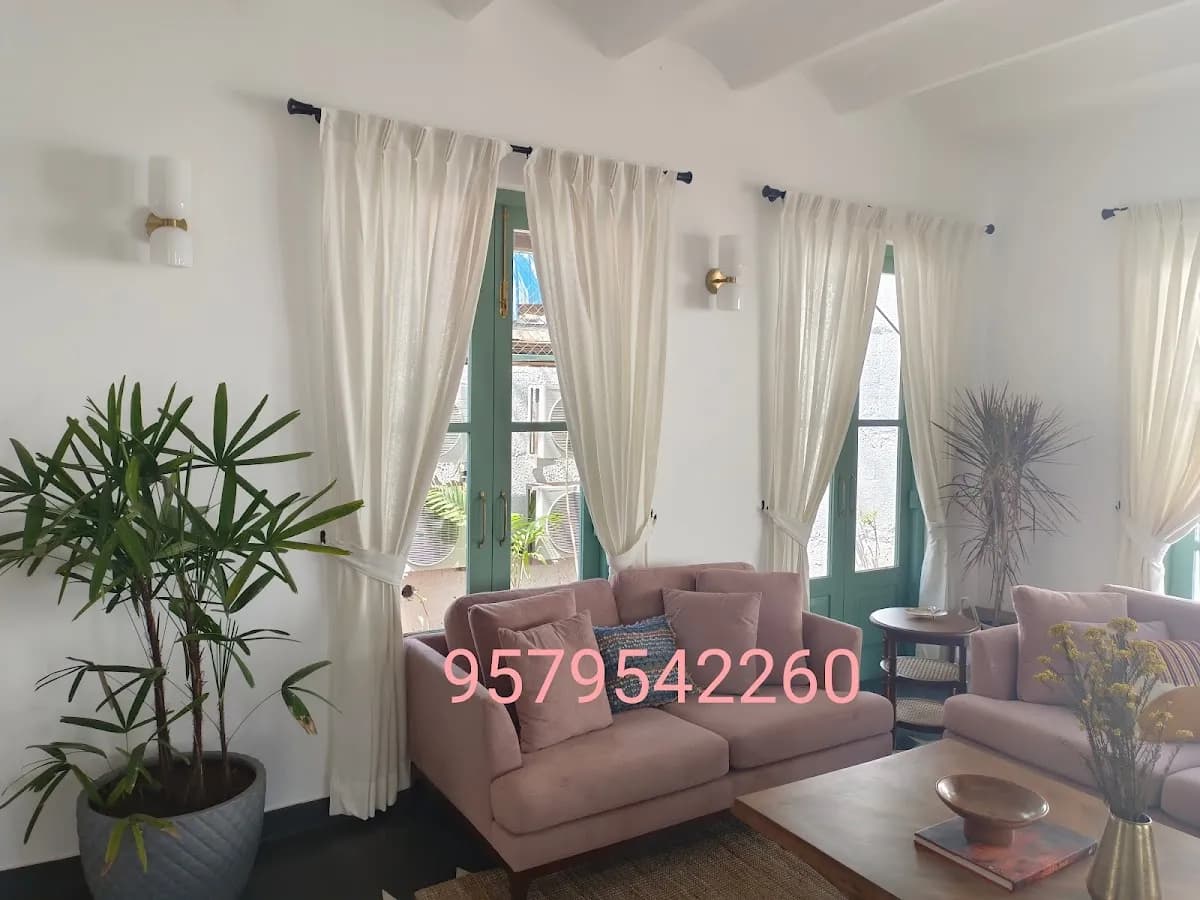
The typical Moira house is a single-storey Indo-Portuguese home with a balcão, thick walls, tall windows and a tiled roof. Restoration is done with care for the original features, so furnishing has to respect old woodwork and uneven walls.
Moira is inland and low-lying. The fields flood in the monsoon and humidity is high; lime walls show damp at the base. There is no salt to speak of.
Old Goan houses
Old walls are lime-plastered and need to breathe. Sealing them under vinyl can trap moisture, so a wall is tested first, and loose or powdery plaster is made good. Often the answer is to paper a later partition wall and leave the old lime walls painted.
Riverside and backwater homes
Walls near water hold damp at the base. Wallpaper should stop above any tide mark of rising damp, and the wall should be treated first. Vinyl papers with anti-fungal adhesive cope with humidity; paper-backed and fabric wallpapers do not.