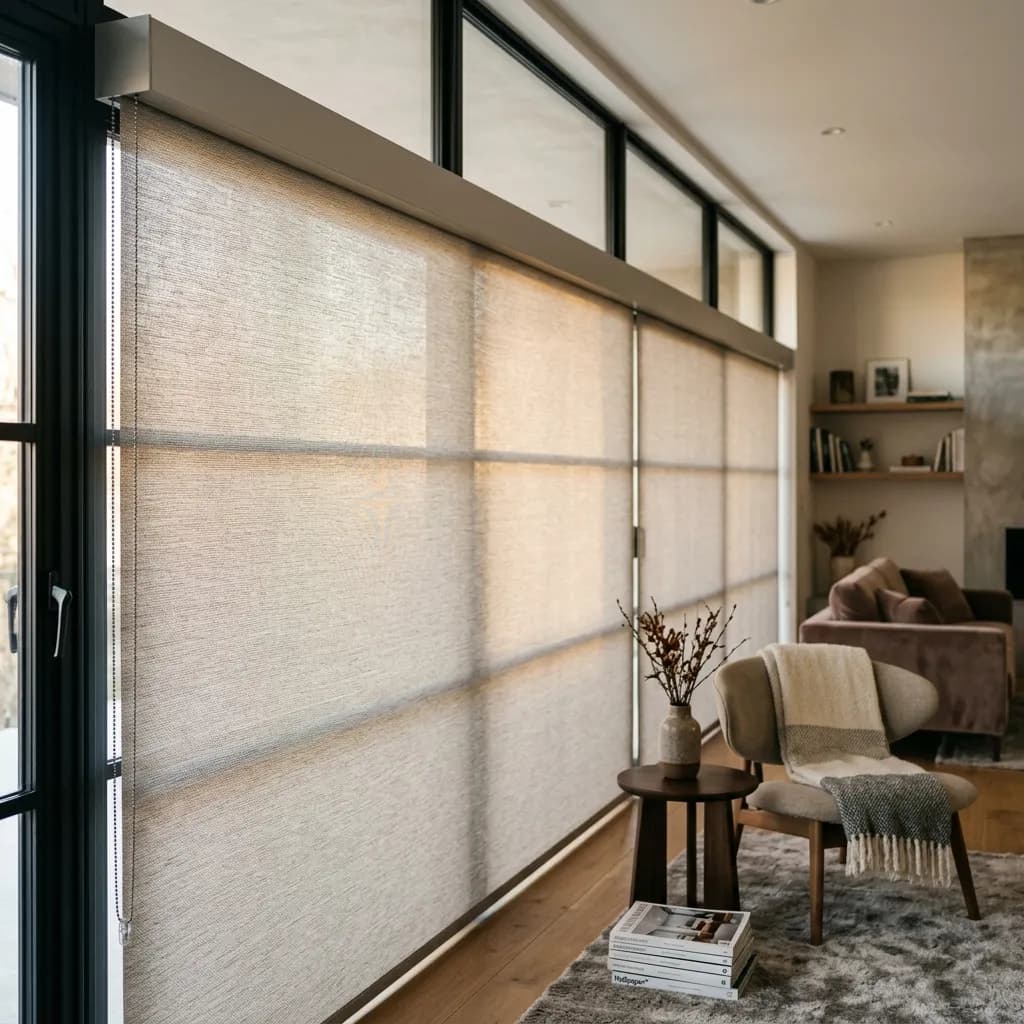
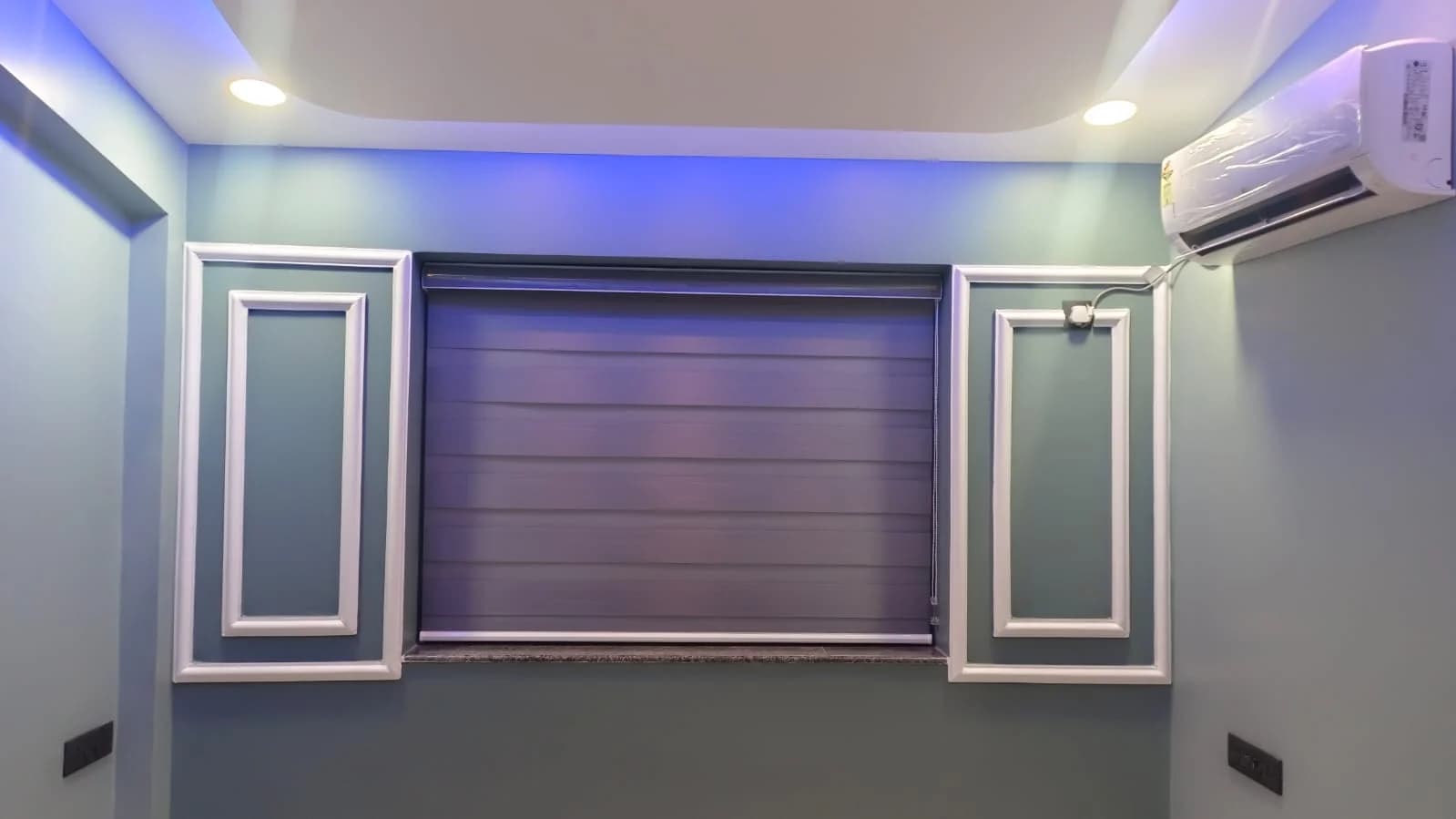
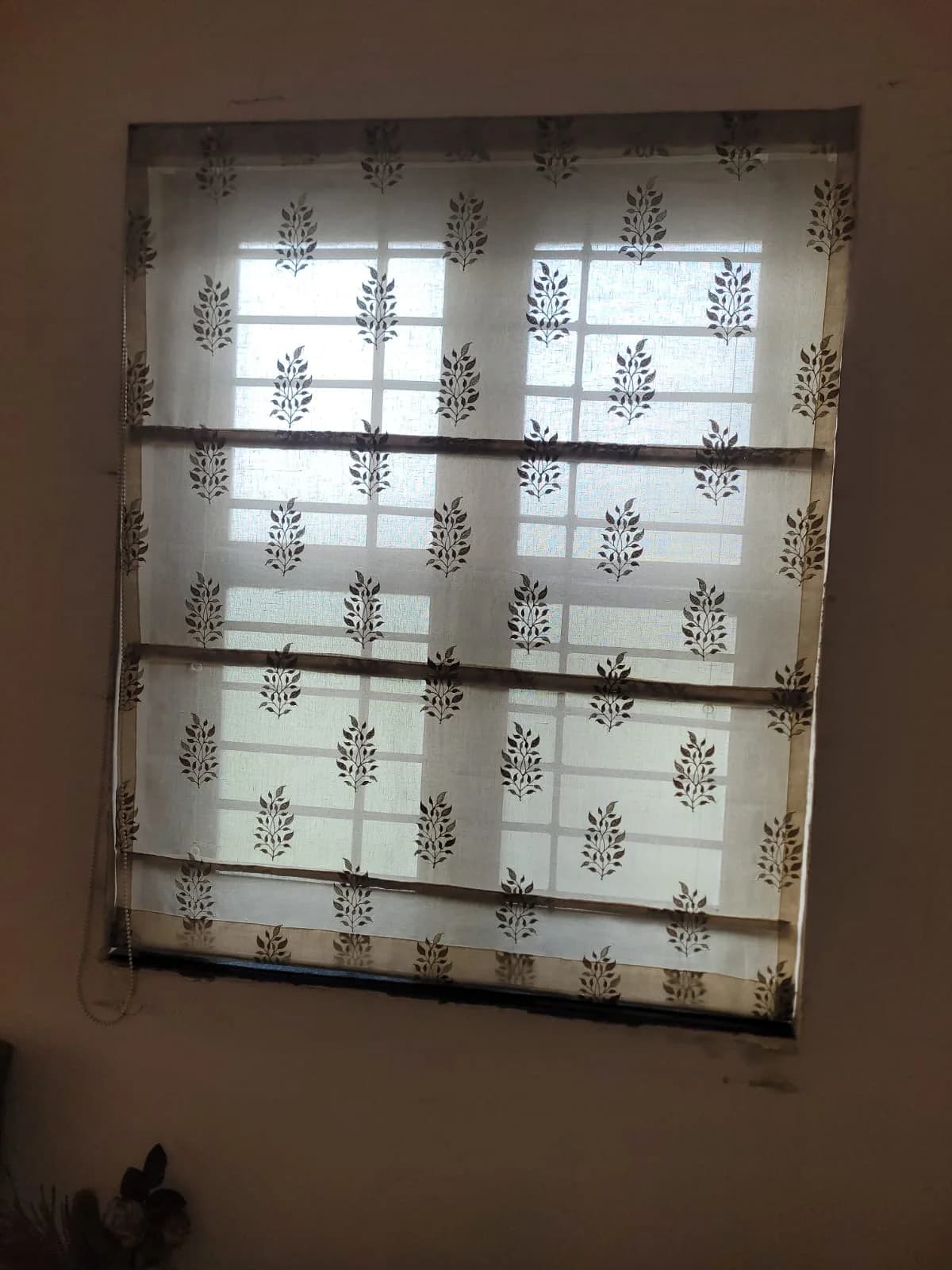
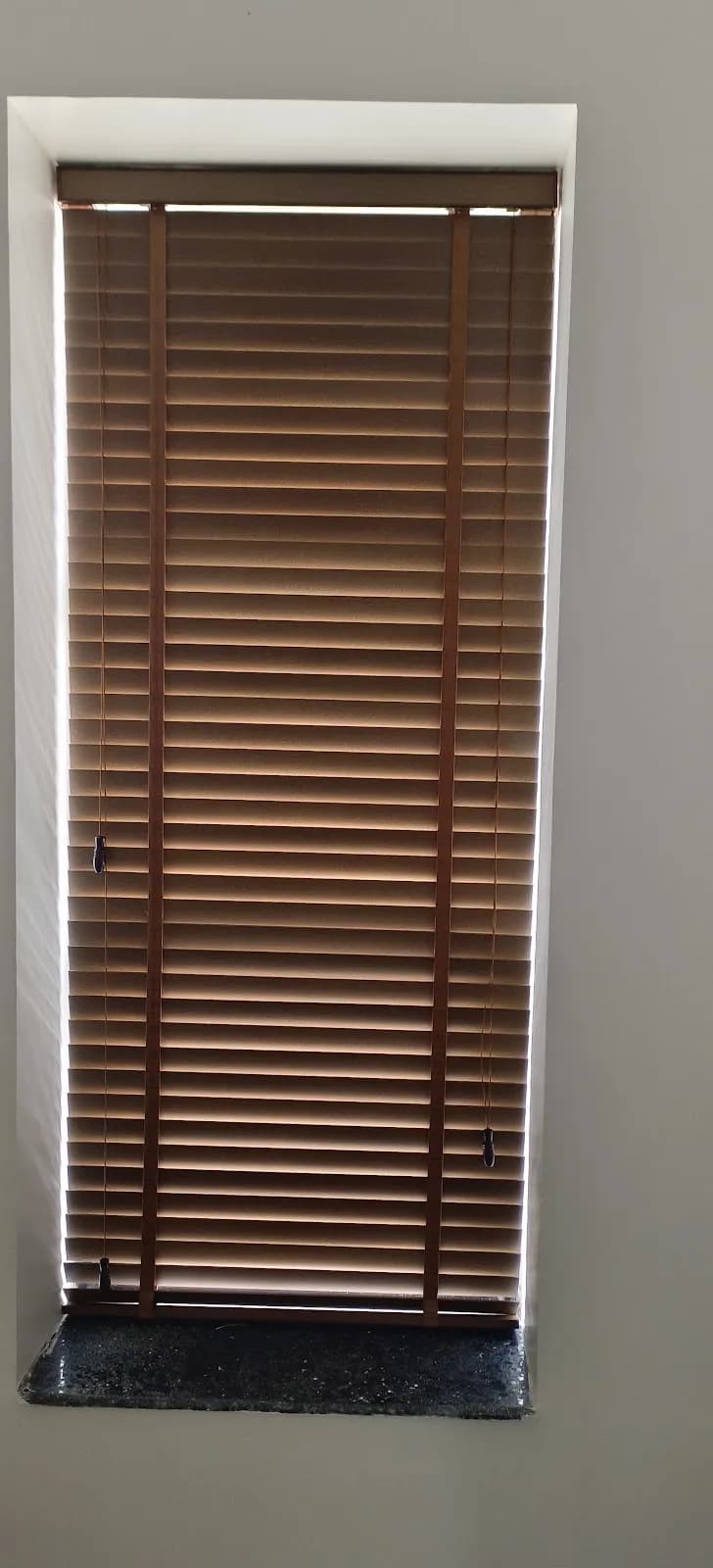
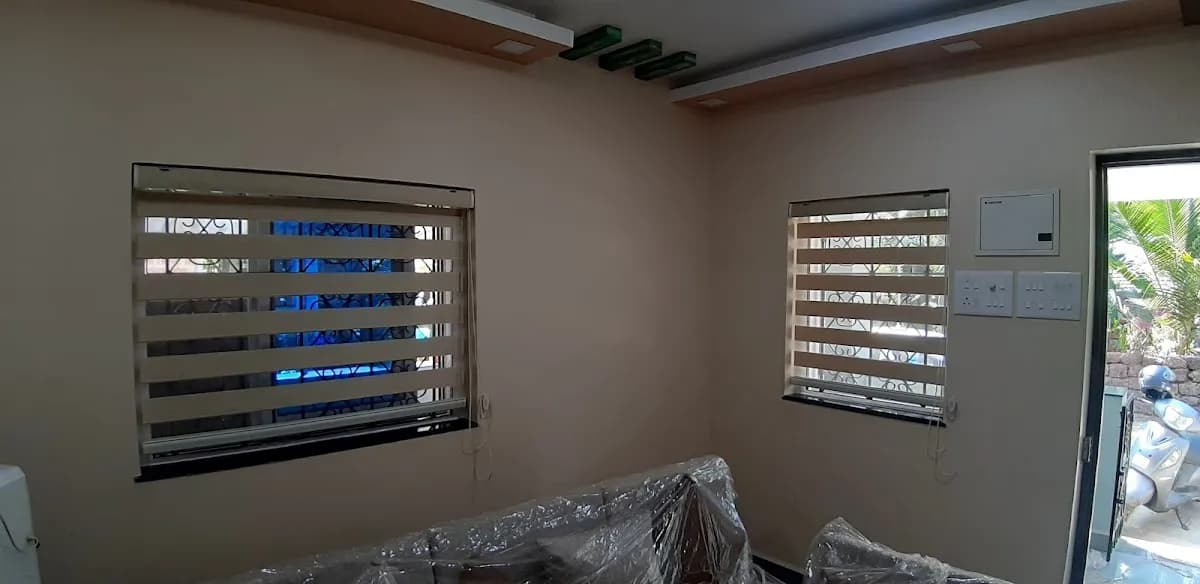
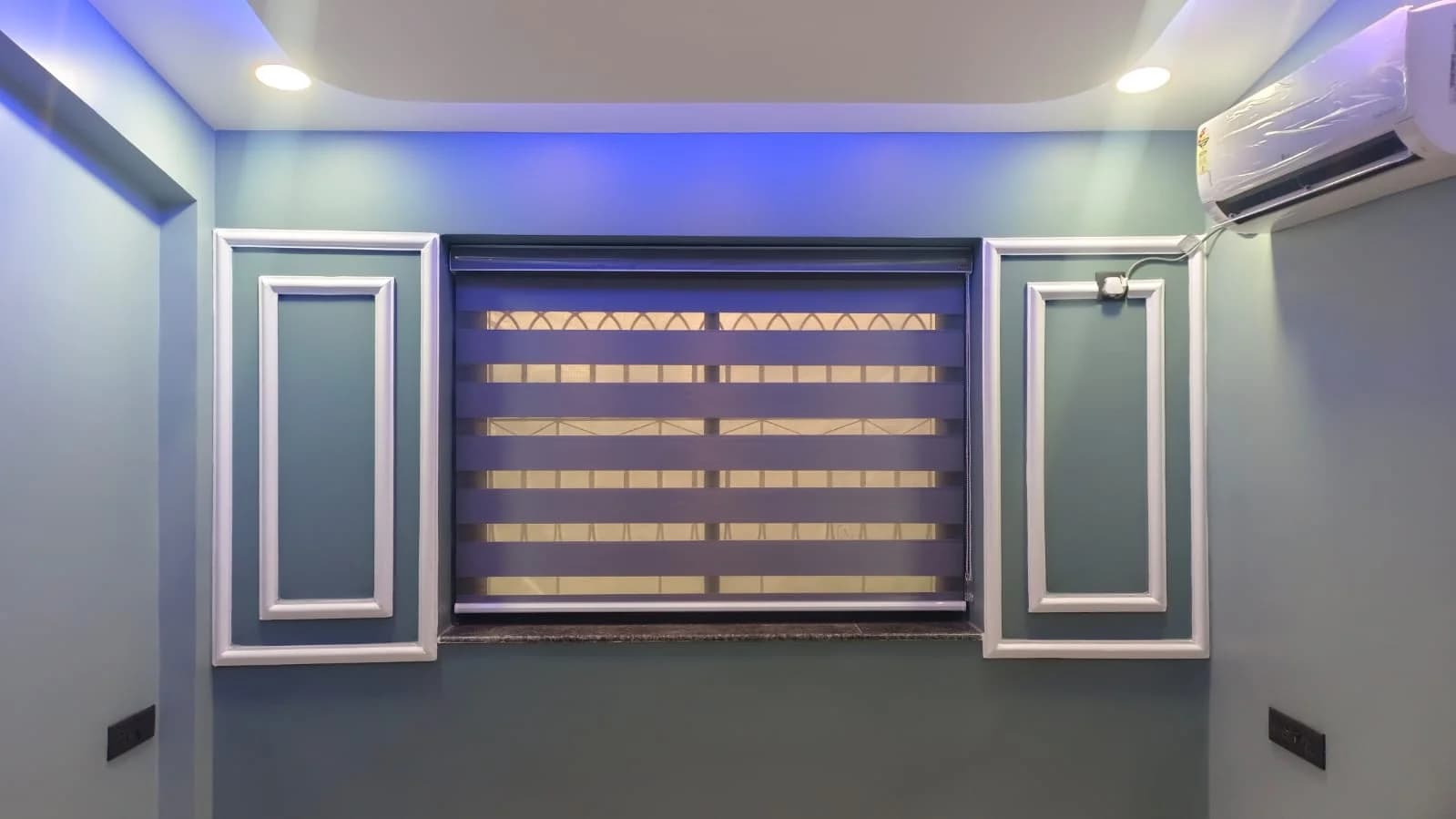
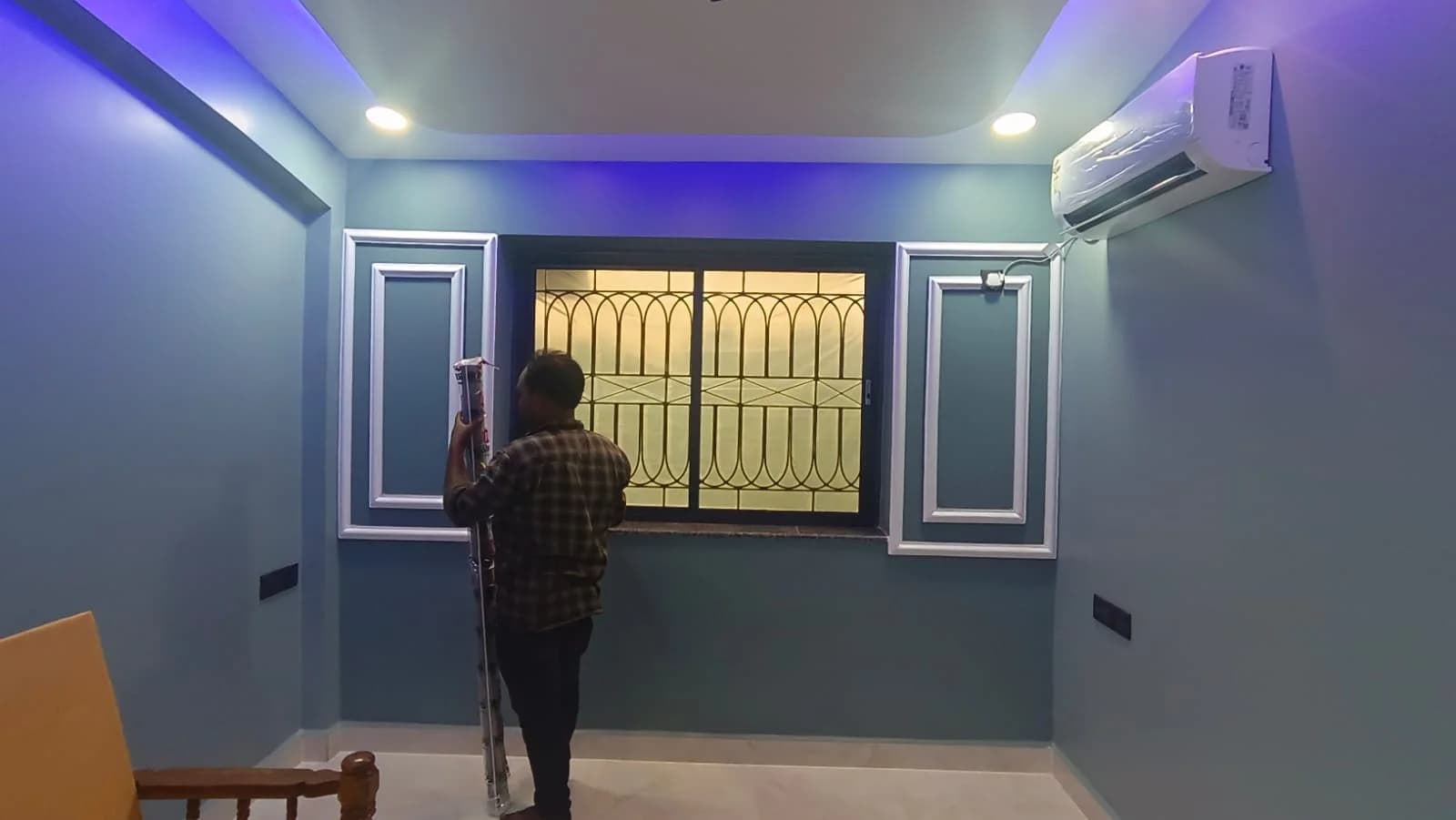
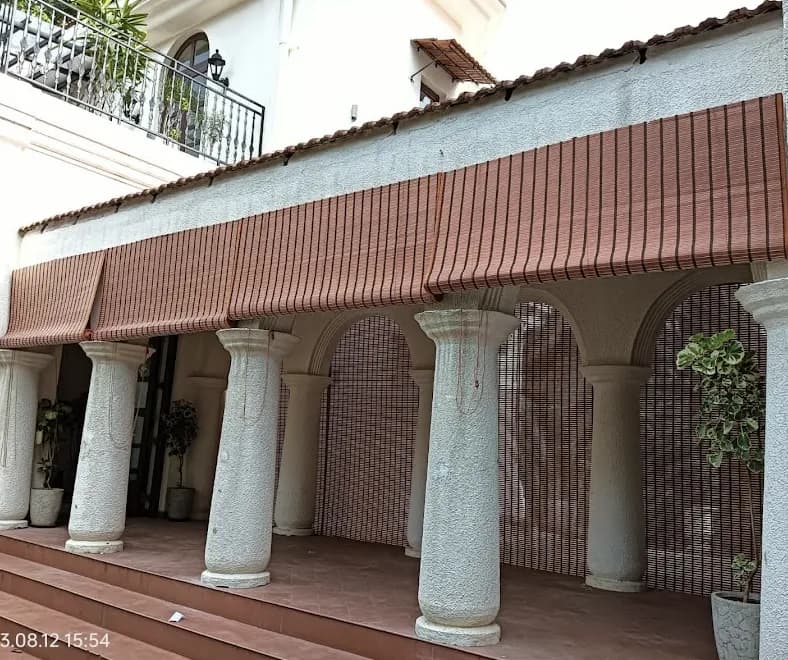
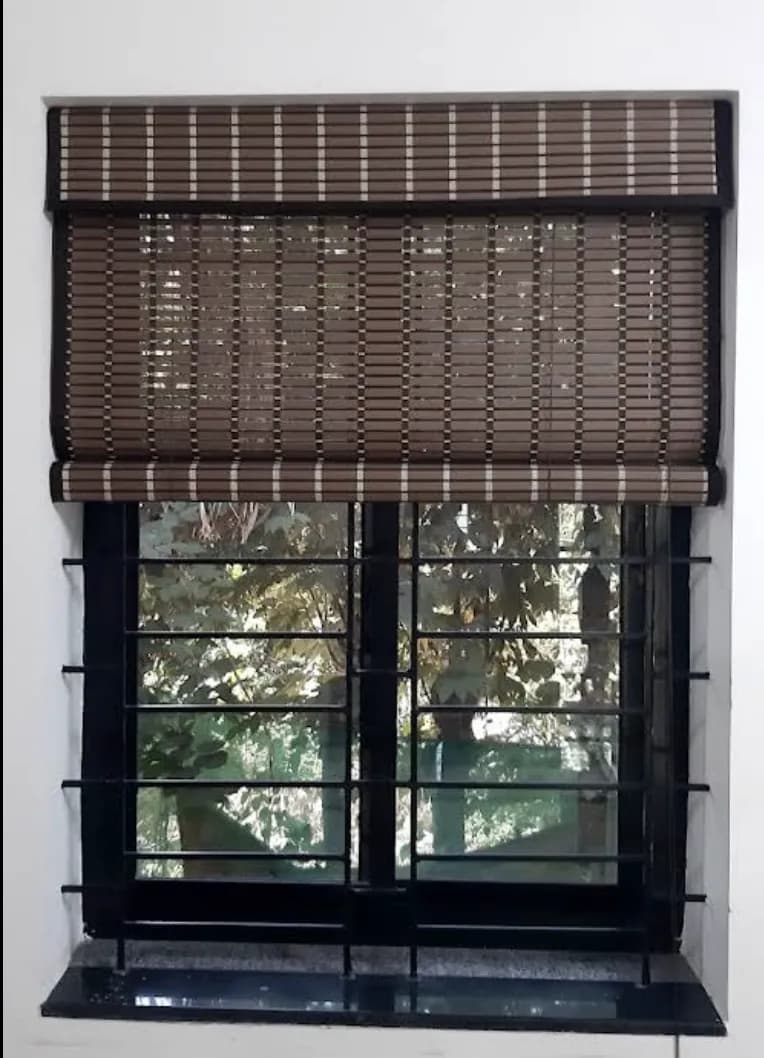
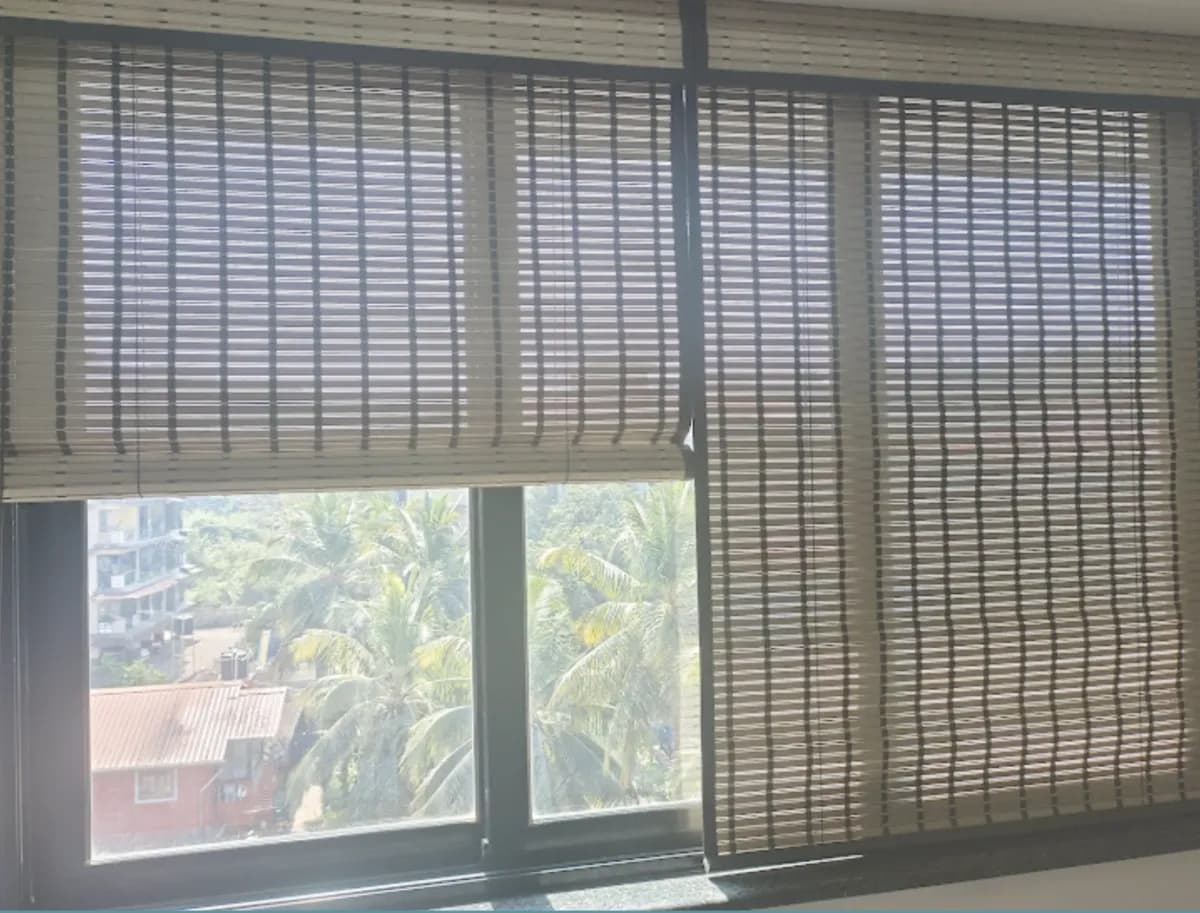
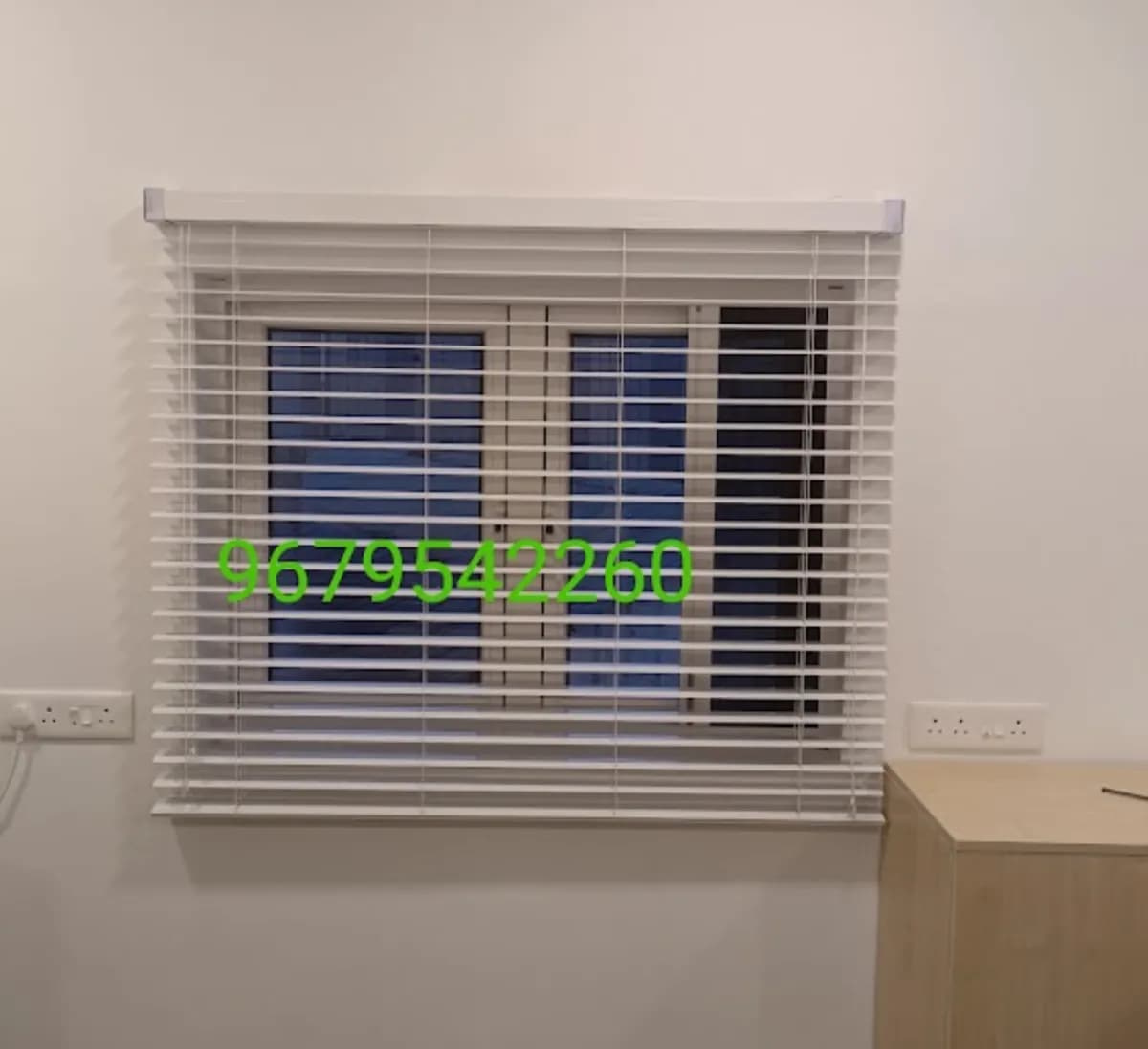
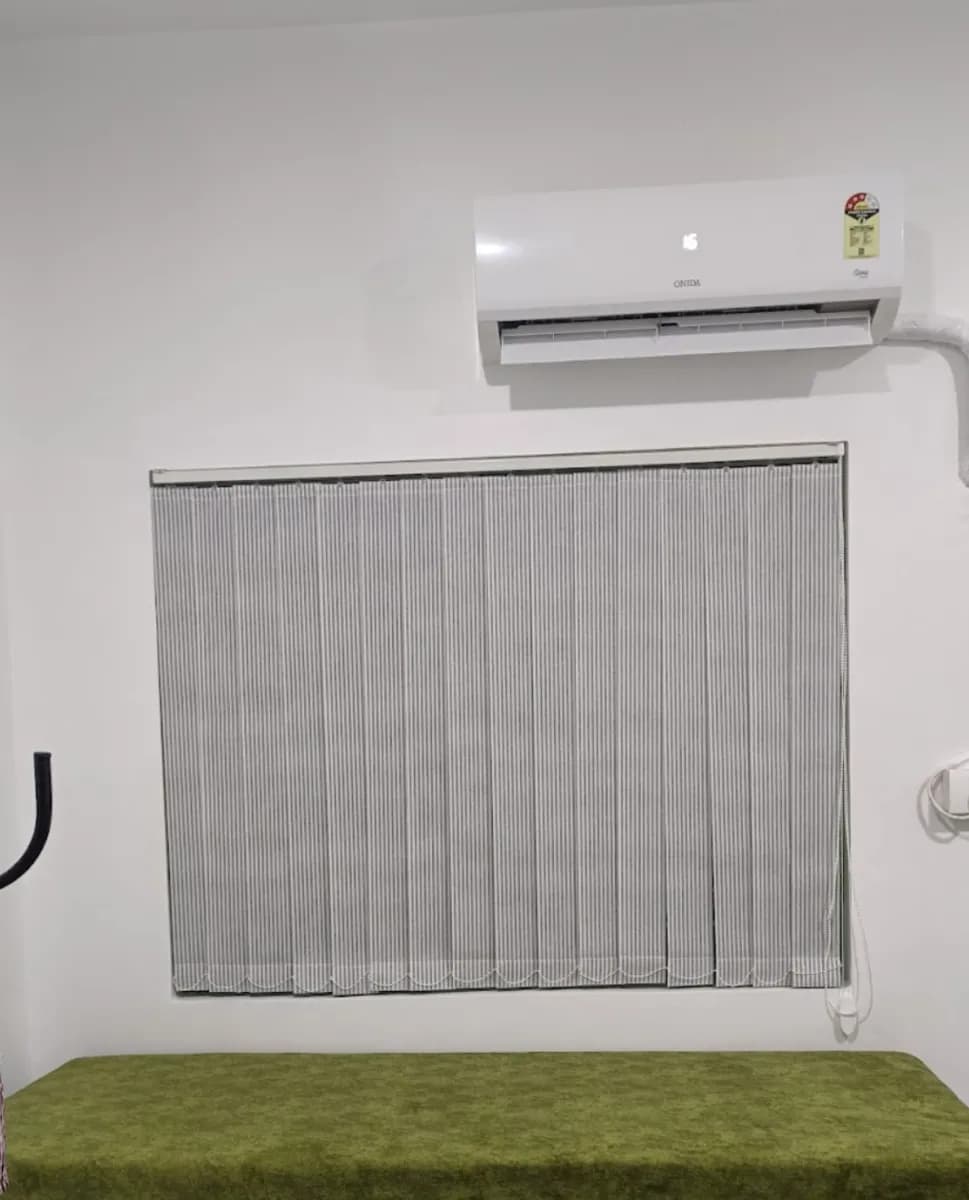
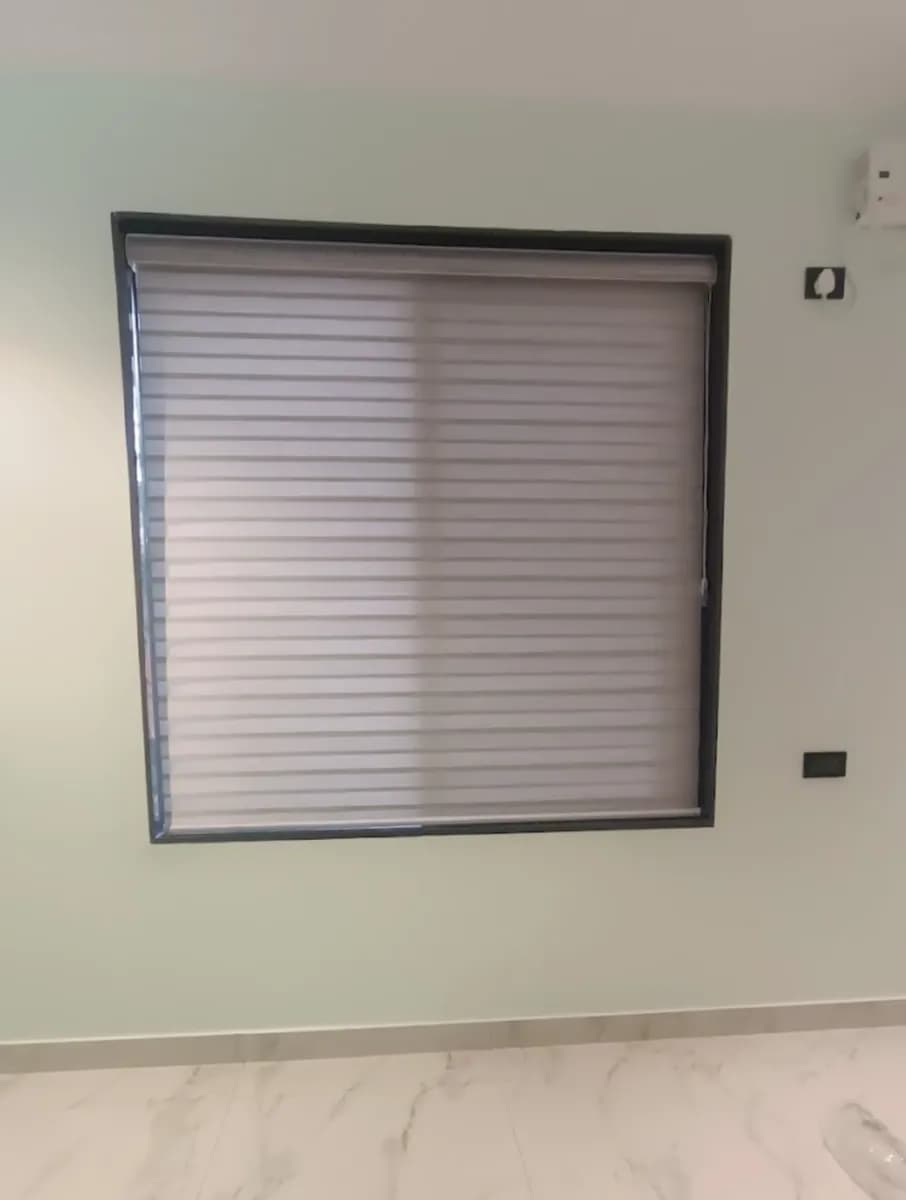
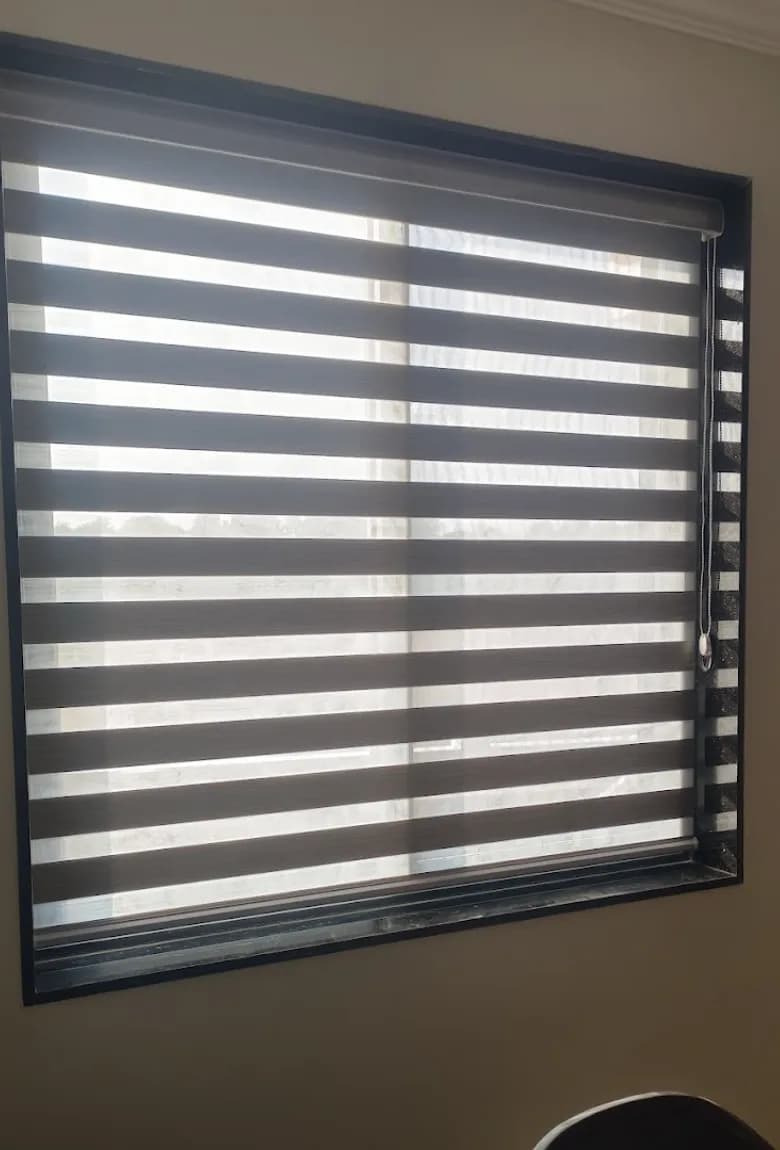
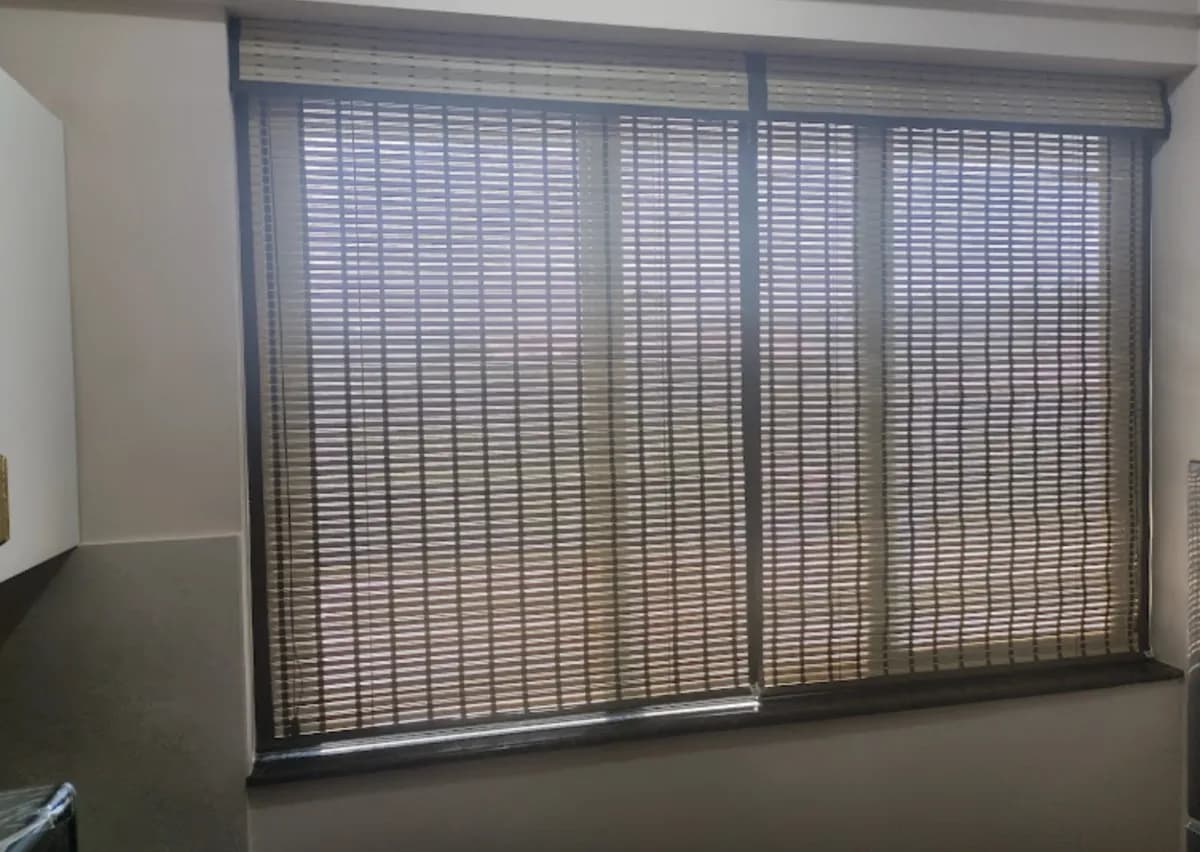
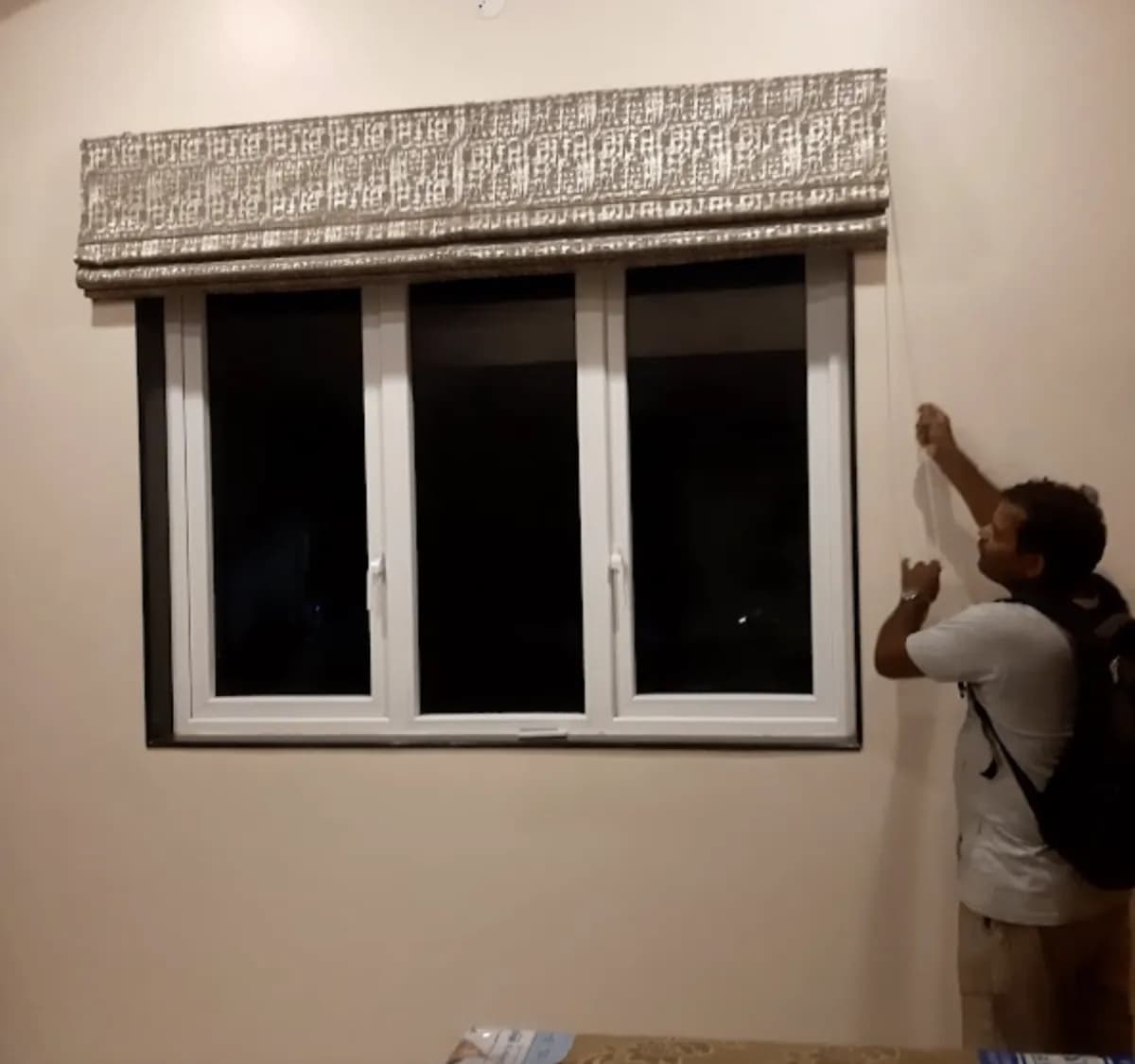
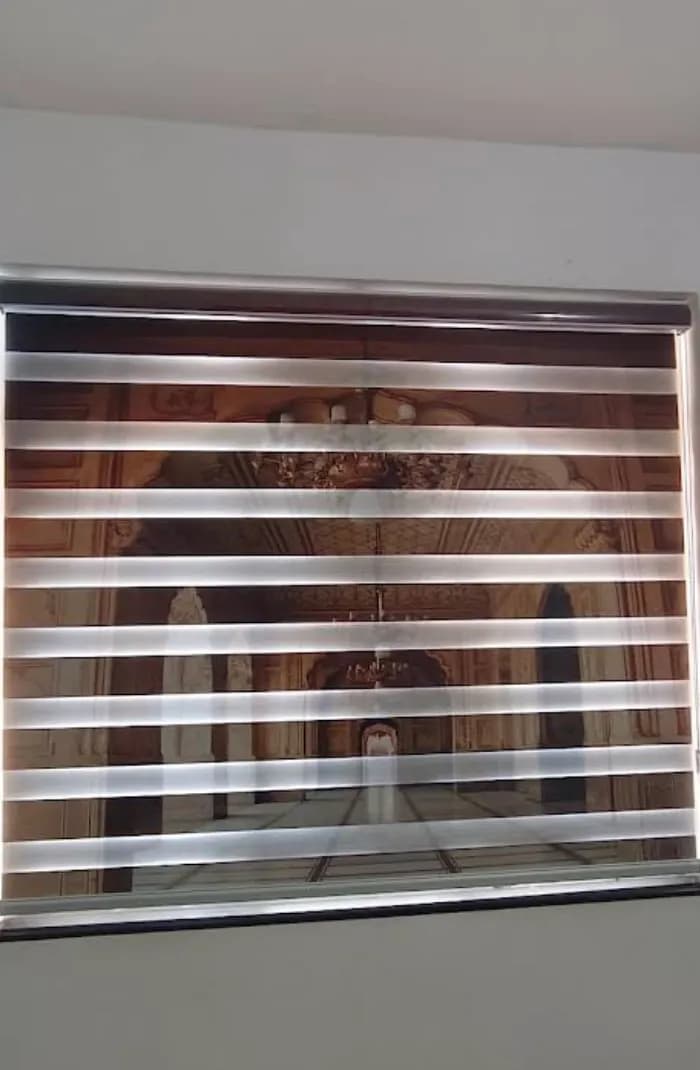
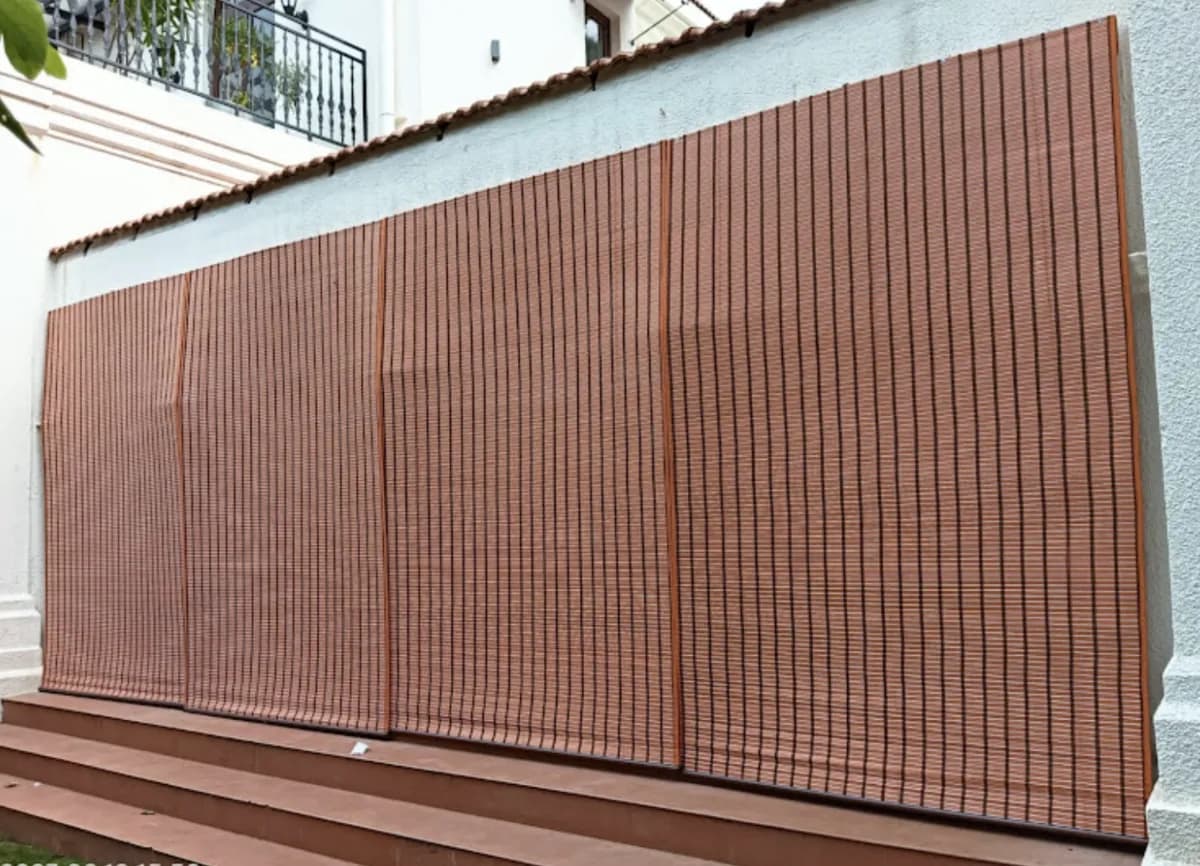
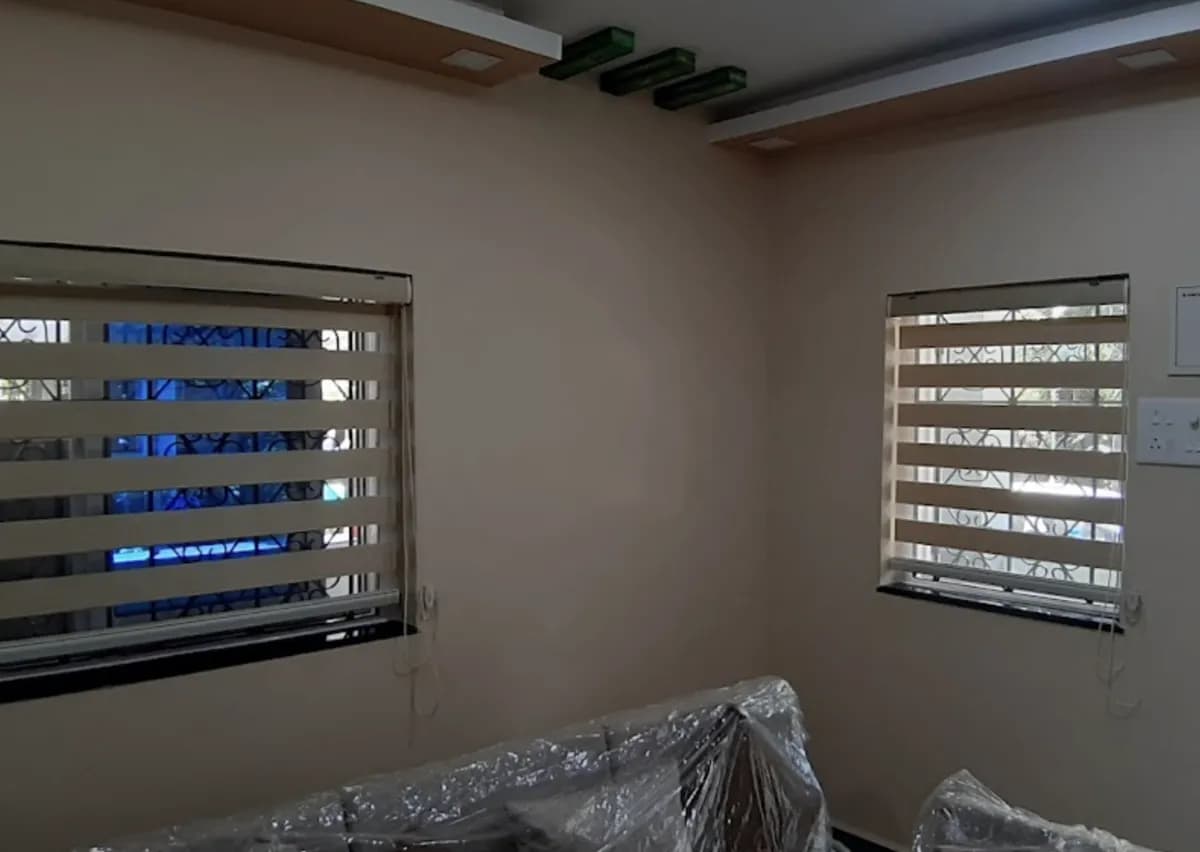
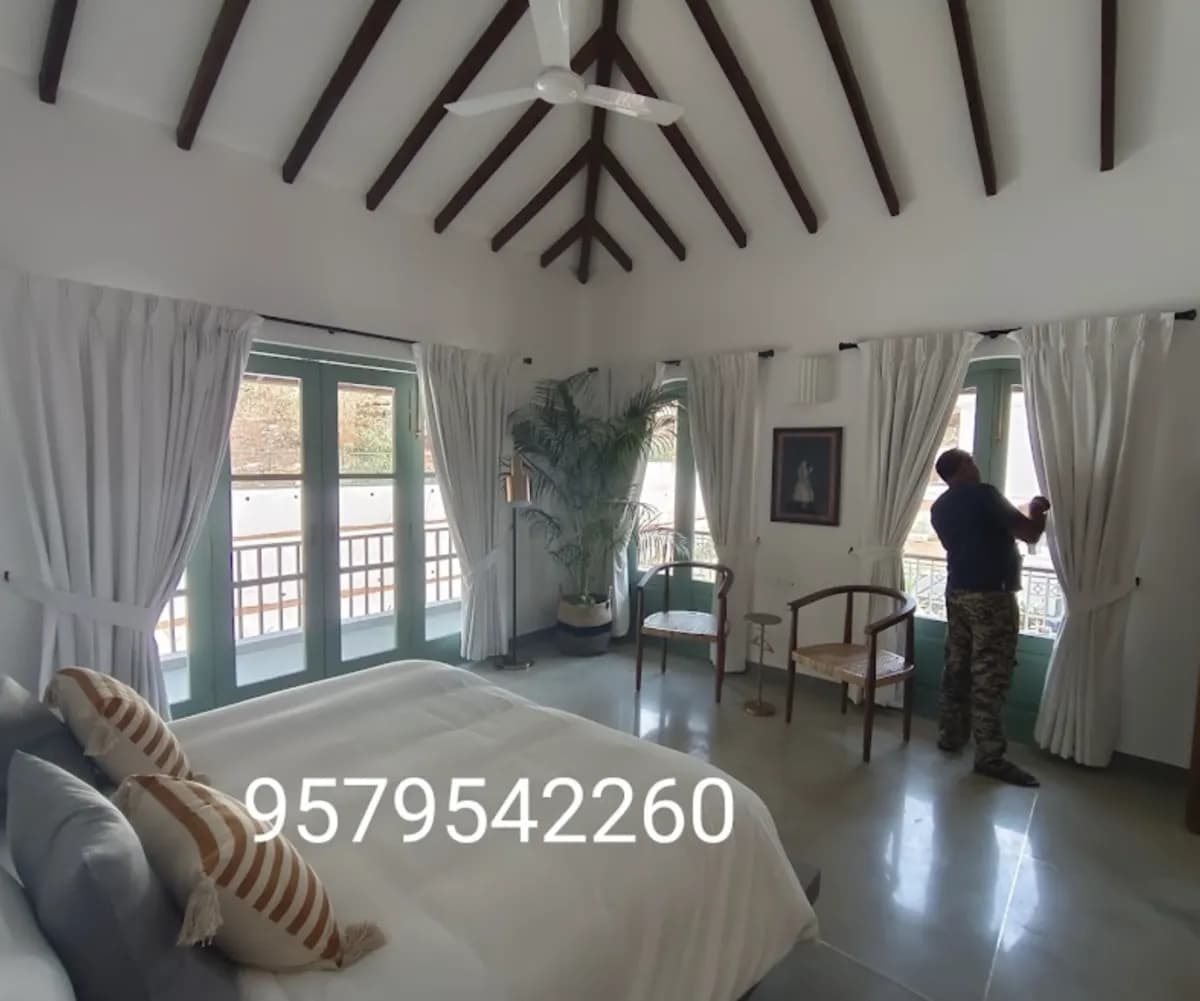
Where a Siolim window is too handsome to hide behind fabric, a roman blind set within the frame keeps it in view and leaves the shutters usable. Fixing to the frame instead of the wall also spares old plaster. Humidity is the constraint. With the river and the fields close by, mildew finds cotton blinds and real wood warps, so choose a polyester-blend roman fabric and keep wooden venetians and bamboo for upper rooms that stay dry. Faux-wood slats give the look without the risk. The designer villas need something else: sunscreen rollers across wide glass to cut glare off the water, often several in a row and motorised on one switch.
- Tall shuttered windows in old houses: roman blinds fixed inside the frame, each one measured separately because no two openings agree.
- Villas along the river: motorised sunscreen rollers in a row, with the gaps set on the frame members of the glazing.
- Wide balcões: clear PVC monsoon blinds along the rain-facing edge, kept rolled through the dry months so the view stays open.
Siolim is a large village on the south bank of the Chapora river, where the bridge crosses to Pernem. It is known for its church of St Anthony, its Zagor festival and its fine old houses, many now restored as homes and guest houses, with new villas along the river and the fields.
Siolim has some of the best-preserved Indo-Portuguese houses in Bardez, with wide balcões, tall windows and internal courtyards, and a growing number of designer villas. Both kinds are popular as high-end stays.
The river and the fields make Siolim humid, with mist on winter mornings. Old walls hold damp, and mosquitoes are common near the water. Salt is slight.
Riverside and backwater homes
Constant humidity near water encourages mildew on fabric blinds. Roller blinds in PVC-coated or polyester sunscreen fabric resist it, and can be wiped with a damp cloth. Real wood and untreated bamboo are better kept for drier rooms.
Old Goan houses
Old window frames are rarely square, and their shutters open inward. Each blind is measured at three points and usually fixed to the face of the frame or the wall above. Roman and wooden blinds suit the woodwork better than plain rollers.