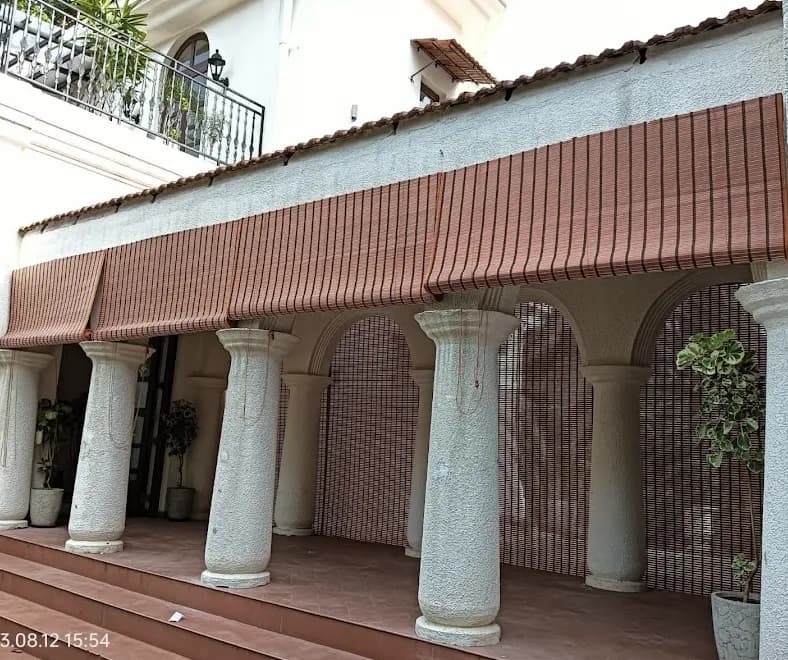
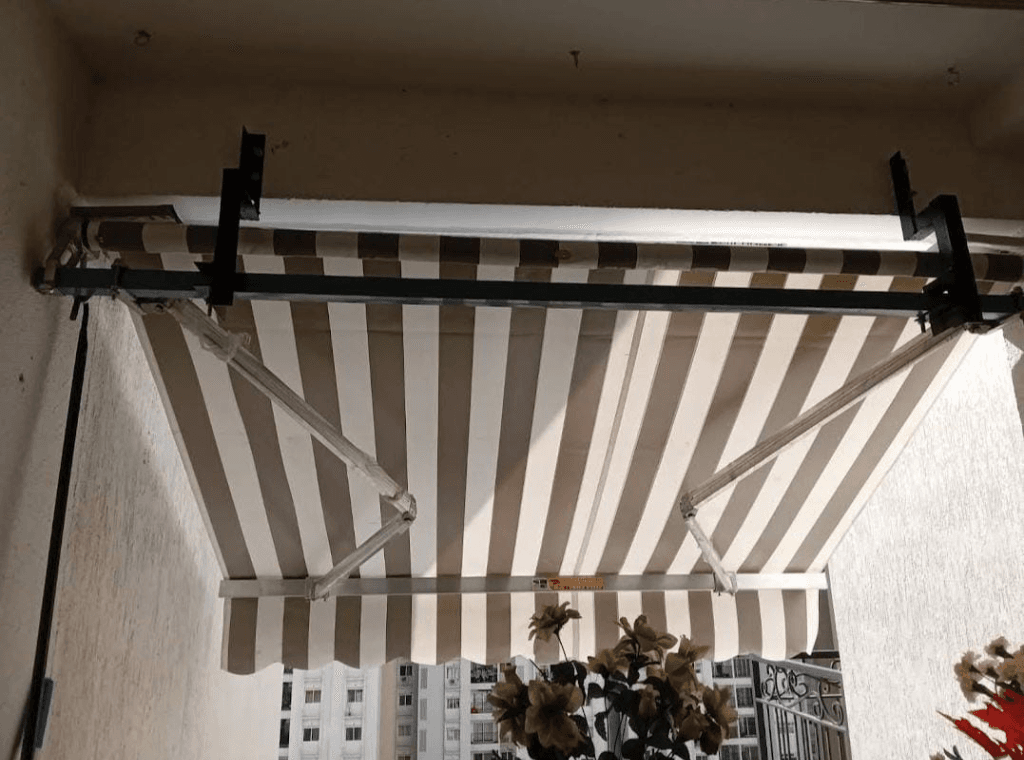
Types of Blinds — Complete Guide to 8 Window Blind Categories for Indian Homes
Roller, zebra, vertical, Venetian (wooden/PVC/aluminum), Roman, cellular, panel-track, motorized — every blind category explained. Which type suits your window, room, climate, and budget.
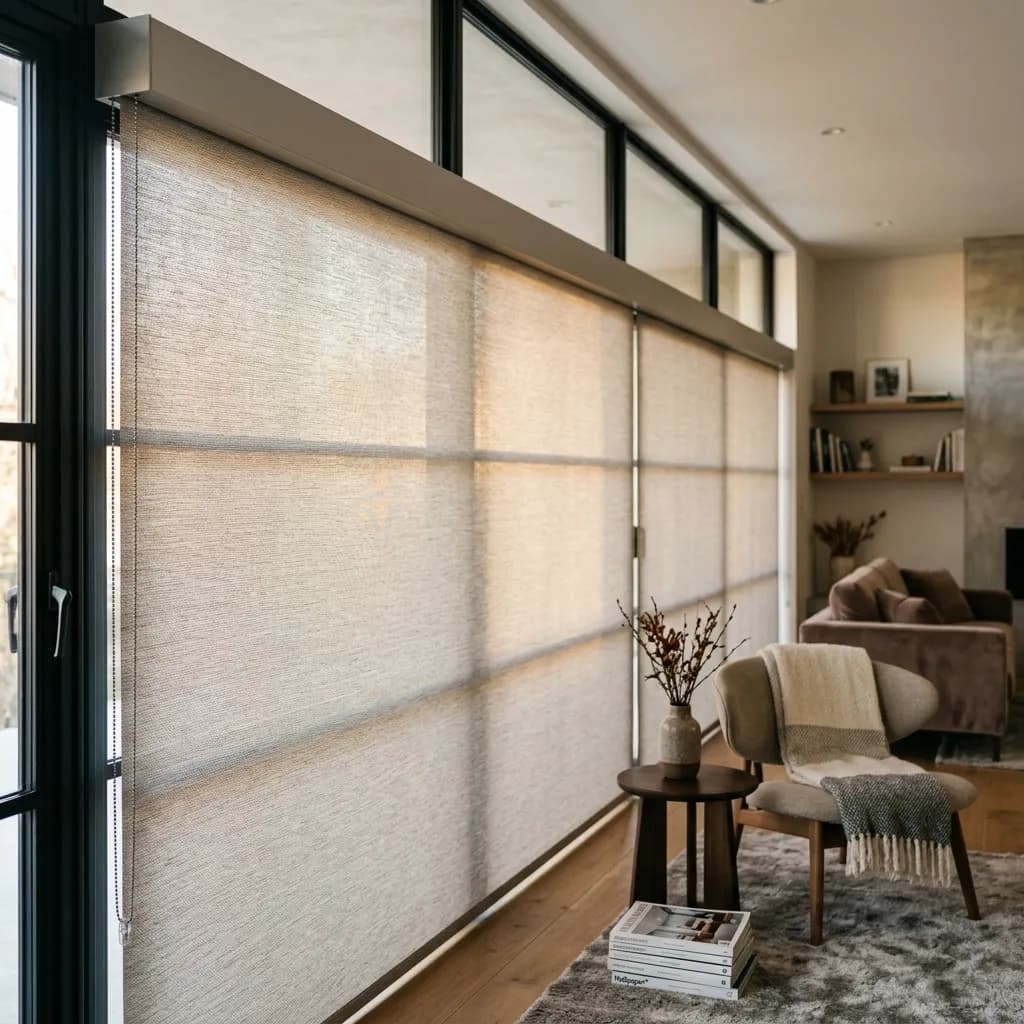
The right blind type transforms both the look and functionality of your window.
Understanding Blind Categories — Why Type Matters More Than Color
Blinds do 4 jobs: control light, provide privacy, insulate, and shape the aesthetic of a room. Different blind types excel at different jobs. A wooden Venetian is beautiful but useless in a bathroom. A PVC roller is practical but wrong for an executive cabin.
This guide covers the 8 major blind categories with:
- 1What the blind is (mechanism, materials)
- 2Best-fit rooms and windows
- 3Climate suitability for Indian conditions (humidity, monsoon)
- 4Approximate 2026 India prices
- 5Pros/cons vs alternatives
- 6When NOT to choose it
All prices are approximate 2026 India rates and vary daily by fabric grade, material, and market rates. WhatsApp +91 9579542260 for today's exact quote.
1. Roller Blinds — The Universal Standard
What they are: A single continuous fabric sheet that rolls up (into an overhead tube) and unrolls down over the window. Operated by a chain, cord, or motor.
Fabric options define the function:
- ●Sunscreen fabric (5-10% openness) — Diffuses light, reduces glare, preserves outside view. Best for living rooms and workstations.
- ●Room-darkening fabric (2-5% openness) — Strong glare reduction, view muted. Best for bedrooms and media rooms.
- ●Blackout fabric (0% openness) — Total light block. Best for bedrooms, home theatres, projector rooms.
- ●Sheer fabric — Elegant translucent look, minimal privacy. Best for double-blind combos (sheer + blackout).
- ●PVC blackout — Waterproof + blackout. Best for bathrooms and kitchen windows requiring privacy.
Approximate India price: ₹75-220/sq ft depending on fabric grade. Motorized upgrade adds ₹2,500-4,500/blind. Prices vary daily.
Pros: Universal fit, huge fabric variety, easy operation, minimalist look, easy to clean, works in almost any room.
Cons: Single function per blind (need double blinds for day+night), can look plain in luxury contexts (upgrade to Roman for high-end).
Try before ordering: /tools/roller-blind-visualizer lets you preview any roller blind color/fabric on your exact window shape.
2. Zebra Blinds — Day-Night Flexibility in One Blind
What they are: Two layers of horizontally-striped fabric. Each layer alternates opaque + sheer stripes. Slide the two layers up/down relative to each other:
- ●Stripes aligned (opaque on opaque) → Full privacy
- ●Stripes offset (opaque on sheer, sheer on opaque) → Full view + light
- ●Anywhere in between → Adjustable privacy/light
Sometimes called 'dual roller blinds' or 'sheer horizontal blinds'.
Best for: Living rooms (day-view / night-privacy in one blind), bedrooms wanting flexible privacy control, offices/cabins, dining rooms, modern minimalist homes.
Approximate India price: ₹180-320/sq ft. Motorized upgrade adds ₹3,500/blind. Prices vary daily.
Pros: One blind = two functions (no need for sheer + blackout double blinds), modern minimalist aesthetic, 40+ colors, best day-night flexibility of any blind type, low profile head-rail.
Cons: More expensive than roller blinds, less blackout (small light bleeds through even in aligned position — not for total darkness needs), fabric visible through stripe alignment can look mechanical vs soft.
Try before ordering: /tools/zebra-blind-visualizer previews zebra blinds in your window with your fabric choice.
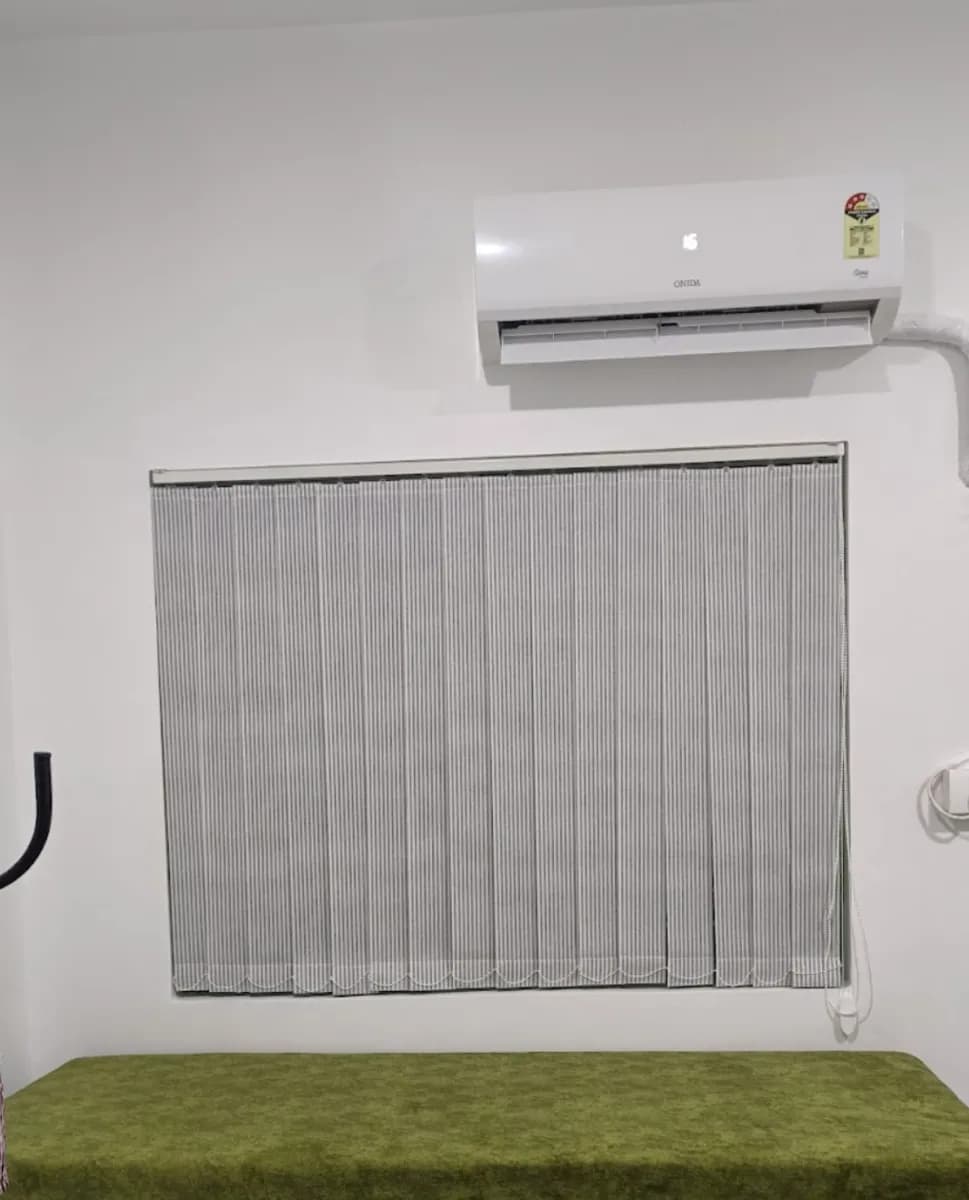
3. Vertical Blinds — Wide Window Champions
What they are: Vertical fabric or PVC vanes (typically 3.5-5 inches wide) hanging from a top track. Rotate 180° for privacy control, or slide entirely to one side for full window view.
Best for: Very wide windows (6-40 ft), sliding glass doors, floor-to-ceiling patio doors, balcony openings, wall-length windows, office sales floors, cafeteria walls.
Approximate India price: PVC vanes ₹95-140/sq ft; fabric vanes ₹120-180/sq ft. Motorized track upgrade adds ₹5,000-8,000. Prices vary daily.
Vane material choice:
- ●PVC vanes: Wipeable, durable, budget-friendly. Best for kitchens, high-traffic areas, cafeterias.
- ●Fabric vanes: Softer look, better acoustics (absorb some sound). Best for bedrooms and living rooms.
- ●S-curved vanes: Contoured shape that overlaps neighbors for better blackout. Premium sub-type.
Pros: Only economical solution for windows >8 ft wide, individually replaceable vanes (if one breaks, replace only that vane), excellent privacy angle control, works with sliding doors (open the door WITH the blinds).
Cons: Dated aesthetic in some contexts (zebra or panel-track feels more modern), vanes can rattle in AC airflow, bottom chain connects vanes and can tangle if kids play with them.
Try before ordering: /tools/vertical-blind-visualizer previews vertical blinds in your specific window.
4. Venetian Blinds — Horizontal Tilt-Slat Blinds
What they are: Horizontal slats stacked vertically. Tilt the slats 0° (fully open, full view) to 90° (fully closed, privacy). Pull cord to raise/lower whole stack.
3 major sub-types:
Wooden Venetian:
- ●Material: Real natural wood (Indian teak, oak, walnut, poplar) OR high-grade faux wood (composite wood, engineered wood).
- ●Best for: Executive cabins, living rooms, master bedrooms, warm-aesthetic homes.
- ●Avoid: Bathrooms, kitchens, monsoon-facing walls (real wood warps/rots in humidity).
- ●Approximate price: Real wood ₹280-400/sq ft, faux wood ₹180-260/sq ft.
PVC Venetian:
- ●Material: Waterproof PVC slats (often colored to mimic wood or in white/pastel).
- ●Best for: Bathrooms (splash-proof), kitchens, balconies, monsoon-facing windows, budget-friendly whole-home fitouts.
- ●Approximate price: ₹95-160/sq ft.
Aluminum Venetian:
- ●Material: Rust-proof aluminum slats in various finishes (white, silver, colored).
- ●Best for: Server rooms, coastal humid windows, hot windows (aluminum doesn't warp), commercial offices.
- ●Approximate price: ₹110-180/sq ft.
All prices vary daily.
Slat widths: 25mm (traditional narrow slats), 50mm (wider modern look), 63mm+ (statement extra-wide slats). Wider slats mean fewer slats total = easier cleaning.
Pros: Excellent tilt-angle privacy control (45° tilt blocks direct sun while allowing ambient light — the daily workhorse position), premium aesthetic (especially wooden), decade-plus lifespan.
Cons: Slats accumulate dust (need monthly dust wiping), cord operation less refined than modern chain/motor, wooden types need dry conditions.
5. Roman Blinds — Fabric Elegance
What they are: A single fabric panel that folds up into stacked horizontal pleats when raised. Not a plain roll (like roller blinds) but soft cascading folds — visually closer to a curtain than a blind.
Best for: Formal drawing rooms, master bedrooms, luxury spaces, heritage-style homes, spaces where blinds must look 'soft' not 'hard', dining rooms.
Approximate India price: ₹220-380/sq ft for standard fabric; premium designer fabric approx ₹450-700/sq ft. Motorized upgrade adds ₹4,000-6,000. Prices vary daily.
Fold styles:
- ●Flat/Classic Roman: Smooth flat pleats when folded. Modern minimalist.
- ●Hobbled/Waterfall Roman: Cascading soft folds even when fully extended. Ultra-luxurious.
- ●Balloon/Austrian Roman: Rounded balloon-like puffs. Traditional decorative.
- ●Relaxed/Casual Roman: Loose bottom edge sway. Coastal/casual homes.
Fabric options: Linen (breathable, elegant), silk-blend (luxurious, delicate), velvet (rich, dramatic), cotton (versatile, budget-friendly), blackout-lined (bedroom-suitable).
Pros: Extraordinarily elegant, softens hard architectural windows, premium curtain-like look while functioning as a blind, custom fabric choice from thousands of options.
Cons: More expensive than roller blinds, fabric can catch dust (vacuum monthly), less refined operation than motorized rollers, delicate fabrics need dry-clean maintenance.
6. Cellular / Honeycomb Blinds — Insulating Champions
What they are: Pleated fabric with hollow honeycomb-shaped air pockets. When lowered, the cellular structure traps air — providing insulation against heat gain (summer) and heat loss (winter/AC rooms). Also called 'honeycomb blinds' or 'duette blinds'.
Best for: AC-heavy rooms (reduces cooling costs), thermally-exposed windows (west-facing walls, direct-sun rooftops), luxury bedrooms wanting insulation + acoustic dampening, energy-conscious homes.
Approximate India price: ₹240-380/sq ft standard single-cell; double-cell (extra insulation) ₹320-450/sq ft. Motorized upgrade adds ₹4,000-6,000. Prices vary daily.
Cell configurations:
- ●Single-cell: One layer of honeycomb cells. Standard insulation. Slim profile.
- ●Double-cell: Two layers of honeycomb (front + back). Superior insulation. Slightly thicker.
- ●Triple-cell: Three honeycomb layers. Maximum insulation. Premium.
Opacity options: Light-filtering (sheer honeycomb — soft light), room-darkening (semi-opaque), blackout (fully opaque with lining).
Pros: Best-in-class thermal insulation (can reduce cooling costs by 15-25% in AC-heavy homes), excellent acoustic dampening (softens outside noise), modern minimalist look, works well with skylights and hard-to-reach windows (motorized).
Cons: Expensive, less design variety than rollers/zebras, honeycomb cells can trap dust over years (vacuum with brush attachment quarterly), fabric can crease if roughly handled.
7. Panel-Track Blinds — Modern Sliding Panels
What they are: Large fabric panels (each 12-24 inches wide) sliding on an overhead track — like Japanese Shoji screens meets modern minimalism. Slide open to stack panels to one side; slide closed for full coverage.
Best for: Modern homes, large window bays, sliding doors (as room divider or window treatment), loft-style spaces, minimalist design homes, homes wanting to divide open-plan spaces.
Approximate India price: ₹180-300/sq ft. Prices vary daily.
Panel material: Fabric (soft, standard), sheer fabric (translucent, elegant), woven wood/bamboo (natural aesthetic), solid color vinyl (durable).
Pros: Ultra-modern aesthetic, works as room divider (great for open-plan spaces needing occasional separation), handles very wide openings elegantly, easy operation (slide by hand), interchangeable panels (switch panels seasonally).
Cons: Not the best for tight privacy (small light gaps between panels), less common (fewer options than rollers), niche aesthetic that doesn't suit traditional homes.
8. Motorized Blinds — The Modern Upgrade
What they are: Not a separate blind type — motorization is an upgrade you can add to any blind type (roller, zebra, vertical, Venetian, Roman, cellular, panel-track). A small quiet motor built into the head-rail rotates the mechanism.
Best for: Hard-to-reach high windows, skylights, large window sets in living rooms (open all at once), luxury master bedrooms (wake to sunrise), executive cabins, conference rooms, smart-home enthusiasts.
Approximate motorization upgrade cost: ₹2,500-4,500 per blind for standard motors; ₹4,000-6,000 for premium quiet motors; ₹6,000-9,000 for smart-home compatible motors (WiFi + Alexa/Google Assistant). Prices vary daily.
Power options:
- ●Hard-wired: Connected to mains via nearby conduit. Best for new construction fitouts (plan during electrical work). Never needs recharging.
- ●Rechargeable Li-ion battery: Built-in battery, recharge every 6-12 months via USB-C. Best for retrofits without wiring.
- ●Solar-powered: Small solar panel on the head-rail. Best for sunlit windows, zero recharge maintenance.
Control options:
- ●Wall switch/panel: Traditional up/down button on the wall.
- ●Remote control: Handheld remote for one blind or a group.
- ●Smartphone app: WiFi motor controlled from phone (schedules, geofencing, sun-tracking).
- ●Voice assistant: 'Alexa, close bedroom blinds' via Alexa/Google Assistant integration.
- ●Home automation integration: Works with existing Fibaro, Control4, Loxone, or Home Assistant systems.
Scenes and automation:
- ●Sunrise-time gradual rise (natural wake-up)
- ●Sunset-time close (privacy at dusk)
- ●Rain sensor auto-close (protect fabric from wind-driven rain)
- ●Temperature-triggered (close on hot afternoons to reduce AC load)
- ●Movie-mode (all blinds close on smart TV activation)
When to motorize: Windows above 8 ft height (hard to reach chain), skylights, multiple blinds you want to operate together, luxury or smart-home spaces.
Climate Guide — Which Blind Survives Where in India
India's climate variety demands blind matched to zone and room:
Coastal / High Humidity (Goa, Mumbai, Kerala, Chennai):
✓ PVC roller blinds — Waterproof, wipeable, no rust ✓ Aluminum Venetian — Rust-proof, no warp ✓ PVC Venetian — Waterproof, budget-friendly ✓ Vinyl-coated fabric roller — Sunscreen + waterproof ✗ Real wood Venetian — Will warp, swell, discolor ✗ Untreated fabric Roman — Absorbs humidity, mildew risk ✗ Untreated cellular — Fabric cells trap humidity
Monsoon-Facing Balconies/Windows:
✓ PVC Venetian — Best choice ✓ PVC roller blackout — Second choice ✓ Waterproof outdoor roller (specialty product) ✗ Everything else — will fail within one monsoon
Dry Inland (Delhi NCR, Rajasthan, Punjab):
✓ All blind types work — including wooden Venetian, Roman, cellular ✓ Cellular blinds especially good for insulating against Delhi heat
Hilly / Cool (Himachal, Uttarakhand):
✓ Cellular blinds — Excellent thermal insulation (retains AC/heater warmth) ✓ Wooden Venetian — Aesthetic warmth ✓ Roman blinds — Elegant
AC-Heavy Rooms:
✓ Cellular/honeycomb blinds — Reduce cooling load 15-25% ✓ Roman blinds — Fabric insulation ✓ Double-blind combo (sheer + blackout) — Layered insulation
Executive/Formal Rooms:
✓ Wooden Venetian, Roman, motorized zebra ✓ Motorized cellular for master bedrooms
Anti-fungal treatment for coastal: For any fabric blind (Roman, cellular, sunscreen roller) going onto coastal Indian walls, insist on anti-fungal fabric treatment. Prevents monsoon mildew growth.
Choose Your Blind — The Decision Framework
Pick your blind in 4 steps:
Step 1: Match the room
- ●Bedroom → Blackout roller (budget) OR Roman with blackout lining (premium)
- ●Living room → Zebra blinds (day-night flexibility) OR wooden Venetian (warmth) OR sunscreen roller (simple)
- ●Master bedroom (premium) → Motorized Roman OR motorized cellular
- ●Kitchen → PVC Venetian OR PVC roller (waterproof)
- ●Bathroom → PVC Venetian OR PVC roller blackout (privacy)
- ●Balcony (monsoon) → PVC Venetian OR PVC roller
- ●Executive cabin → Wooden Venetian OR premium zebra (motorized)
- ●Conference room → Motorized blackout roller + sunscreen combo
- ●Wide windows/sliding doors → Vertical blinds OR panel-track
- ●Skylight → Motorized cellular OR motorized roller
Step 2: Match your climate
- ●Coastal / humid India → Waterproof materials (PVC, aluminum, vinyl-coated fabrics)
- ●Dry inland India → Any blind type works
- ●Monsoon-facing walls → PVC or aluminum only
Step 3: Set your budget
- ●Budget (under ₹100/sq ft) → Basic roller or PVC Venetian
- ●Mid-range (₹100-200/sq ft) → Vertical, PVC/aluminum Venetian, basic zebra
- ●Premium (₹200-350/sq ft) → Sunscreen roller, premium zebra, wooden Venetian, Roman
- ●Luxury (₹350+/sq ft) → Motorized designer fabrics, imported cellular, custom Roman
Step 4: Motorize or not?
- ●Motorize if: Window >8 ft height, skylight, luxury master bedroom, executive space, smart-home enthusiast, want group-control
- ●Skip motor if: Simple bedroom/office window at reachable height, budget-conscious, chain operation acceptable
Try before you buy:
- ●/tools/roller-blind-visualizer — Preview roller blinds in your window
- ●/tools/zebra-blind-visualizer — Preview zebra blinds
- ●/tools/vertical-blind-visualizer — Preview vertical blinds
- ●/tools/blind-size-calculator — Price your exact window sizes in seconds
Ready to browse specific types?
- ●/blinds — Full blinds hub with all sub-categories
Free site measurement across Goa: For Goa homes (Panaji, Margao, Mapusa, Vasco, Ponda), our team visits with physical fabric/material samples and takes exact measurements — no charge, no obligation. Book on WhatsApp +91 9579542260.
Related reading: /blog/blinds-for-office-best-window-blinds-workplace-india-2026 (office-specific guidance), /blog/types-of-curtains-complete-guide-india (curtains vs blinds decision), /blog/types-of-wallpaper-vinyl-non-woven-3d-fabric-guide-india (matching wall treatments).
Need Custom Blinds Collection?
Order custom dimensions online for Pan-India delivery, or book a free site consultation in Goa with our senior decor team.
Frequently Asked Questions
What are the different types of blinds?
Eight main window blind categories: (1) Roller Blinds — single sheet rolls up-down; (2) Zebra Blinds — alternating sheer + opaque stripes; (3) Vertical Blinds — vertical vanes for wide windows; (4) Venetian Blinds — horizontal tilt-able slats (wooden, PVC, aluminum sub-types); (5) Roman Blinds — soft fabric cascading folds; (6) Cellular / Honeycomb Blinds — pleated fabric with insulating air pockets; (7) Panel-Track Blinds — sliding fabric panels for wide openings; (8) Motorized Blinds — any type with electric operation.
Roller blinds vs zebra blinds — what's the difference?
Roller blinds: single continuous fabric sheet rolls up/down. One fabric = one function (sunscreen OR blackout OR sheer). Simple, affordable, most popular. Zebra blinds: alternating opaque and sheer horizontal stripes on a double-layer mechanism. Slide up-down to alternate stripe alignment — creates both fully-view and fully-privacy positions from ONE blind. More expensive but more flexible.
Which type of blind is best for Indian homes?
Depends on room and window: (1) Bedrooms → Blackout roller or Roman blinds; (2) Living rooms → Zebra blinds (day-night flexibility) or wooden Venetian; (3) Kitchen/bath → PVC Venetian or PVC roller (waterproof, wipeable); (4) Wide windows → Vertical blinds or panel-track; (5) AC-heavy rooms → Cellular/honeycomb blinds (insulating); (6) Monsoon-facing balconies → PVC/aluminum Venetian; (7) Cabins/executive spaces → Wooden Venetian or motorized Roman.
Wooden vs PVC vs aluminum Venetian blinds — which to choose?
Wooden Venetian: real natural wood or engineered wood slats. Premium look, warm aesthetic, best for cabins/living rooms. Avoid bathrooms/monsoon walls. Approx ₹210-400/sq ft. PVC Venetian: waterproof, wipeable, budget-friendly. Best for kitchens, bathrooms, monsoon-facing walls. Approx ₹95-160/sq ft. Aluminum Venetian: rust-proof, no warp, best for humid coastal windows and server rooms. Approx ₹110-180/sq ft. Prices vary daily.
How much do blinds cost per square foot in India?
Approximate 2026 India blind prices per square foot (material + install): Basic roller ₹75-120, sunscreen roller ₹140-220, zebra blinds ₹180-260, vertical blinds ₹95-160, PVC Venetian ₹95-160, aluminum Venetian ₹110-180, wooden Venetian ₹210-400, Roman blinds ₹220-380, cellular/honeycomb ₹240-380, panel-track ₹180-300, motorized upgrade adds ₹2,500-4,500 per blind. Prices vary daily by fabric/material grade.
More on blinds
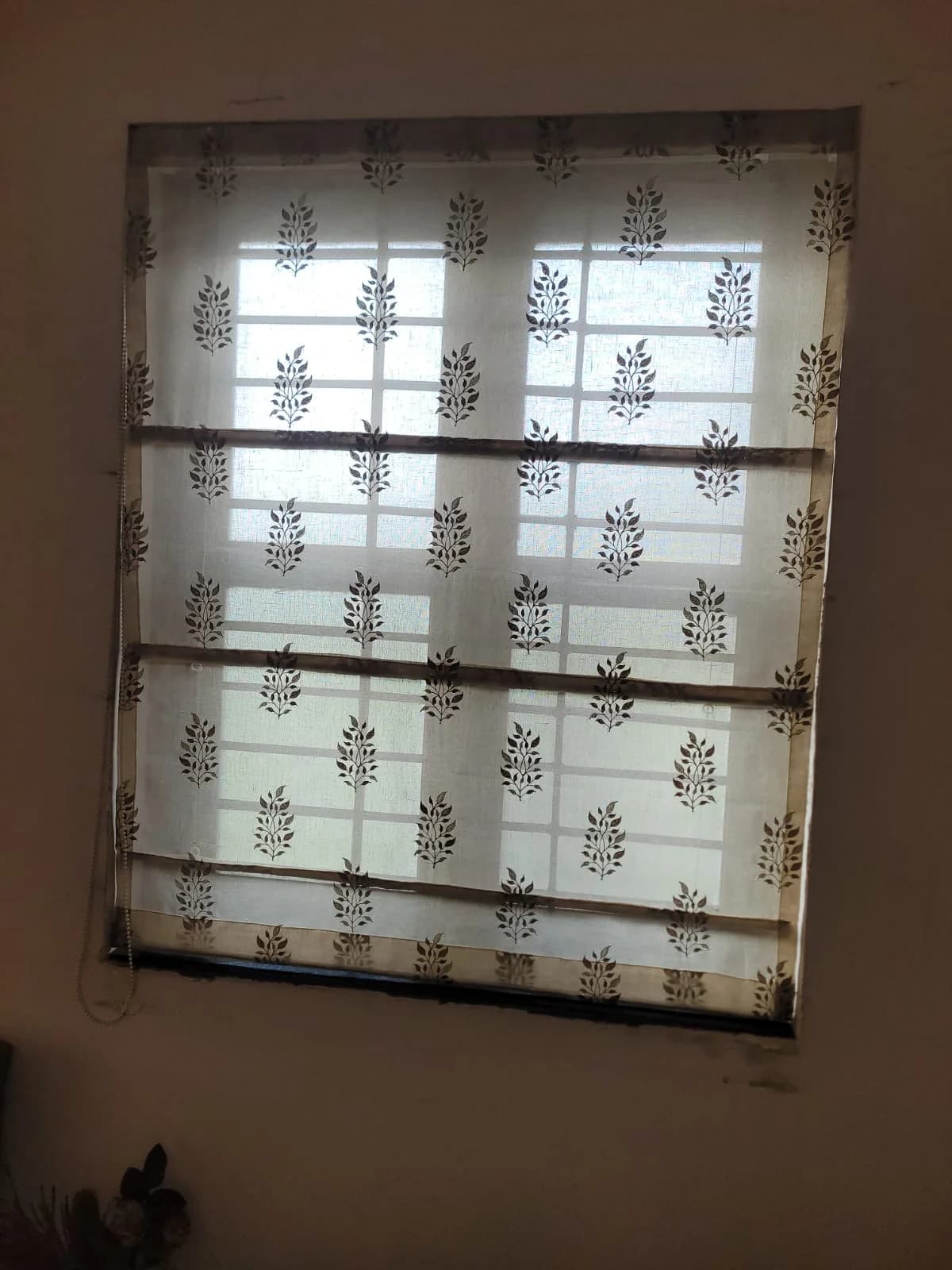
Roller Blinds for Windows Price India (2026): Solar Screen, Blackout & Motorization Guide
8 min read

Zebra Blinds for Living Room: Dual-Layer Light Control, Prices & Motorization Guide
7 min read
Monsoon Blinds for Balconies: Waterproof PVC & Bamboo Roll-Down Protection Guide
7 min read