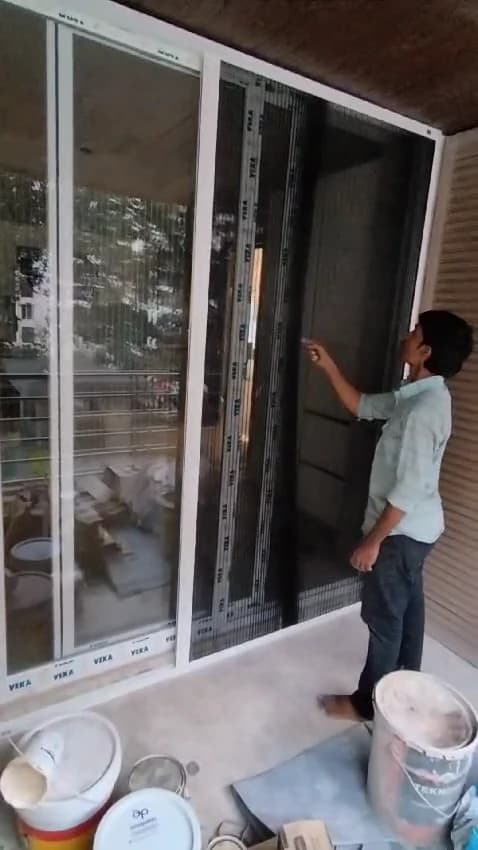
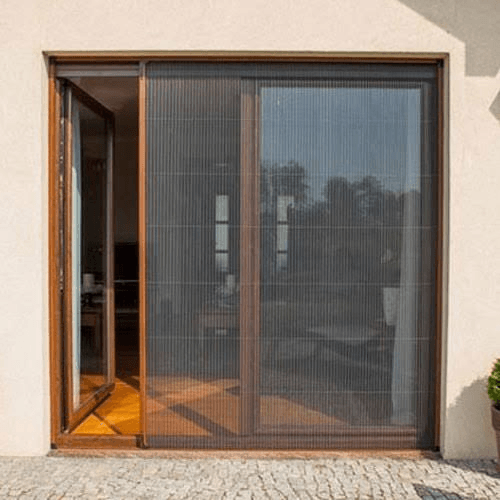
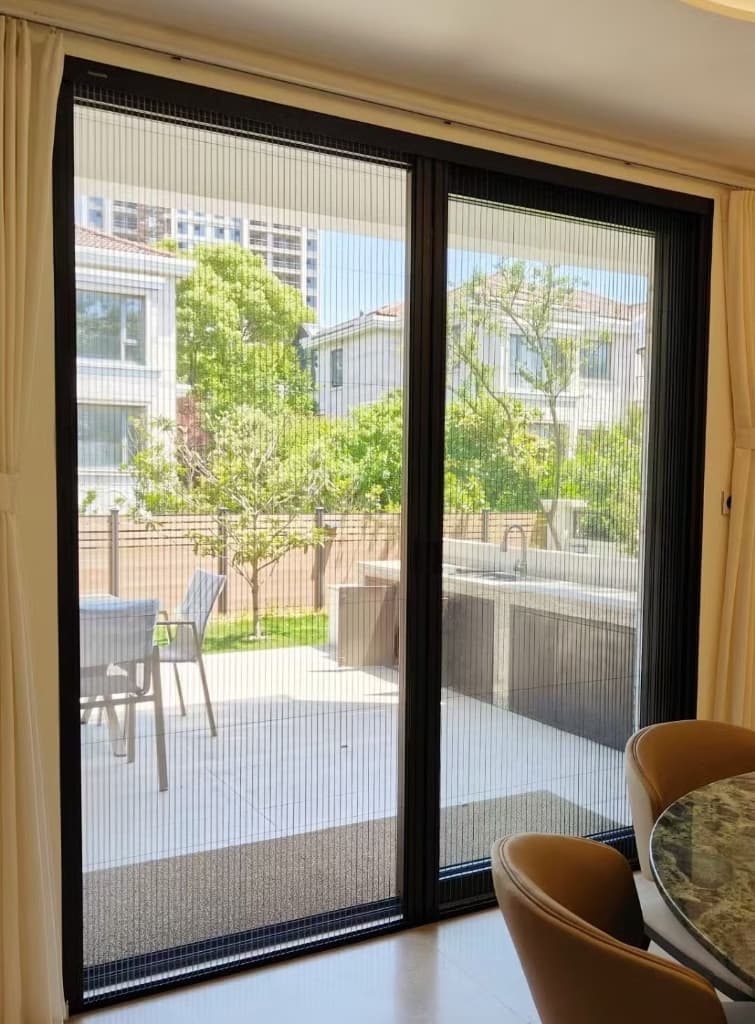
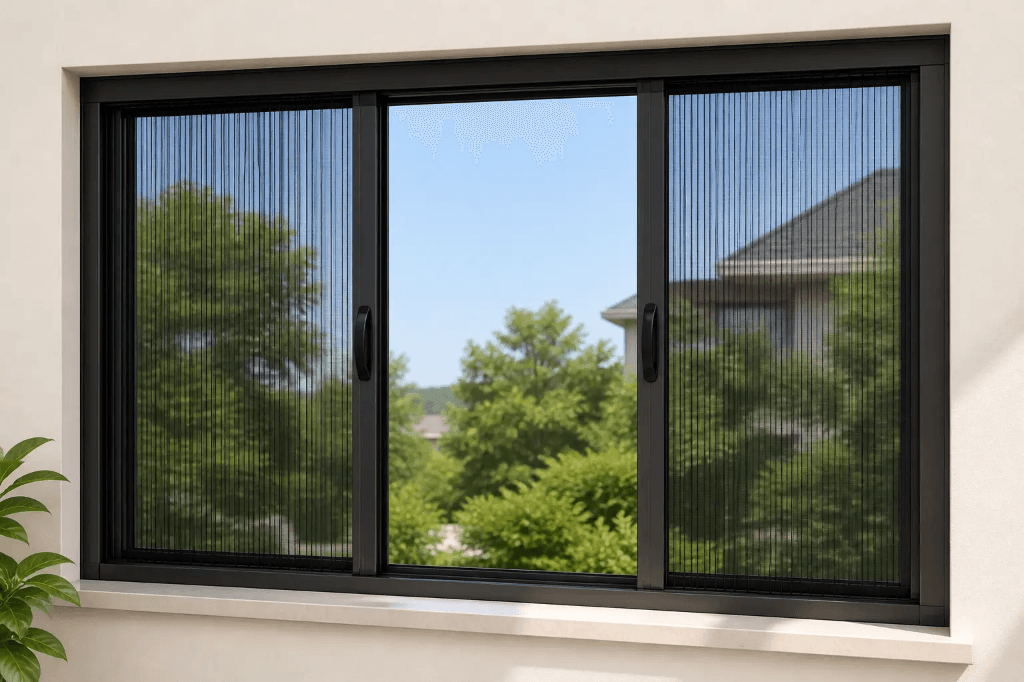
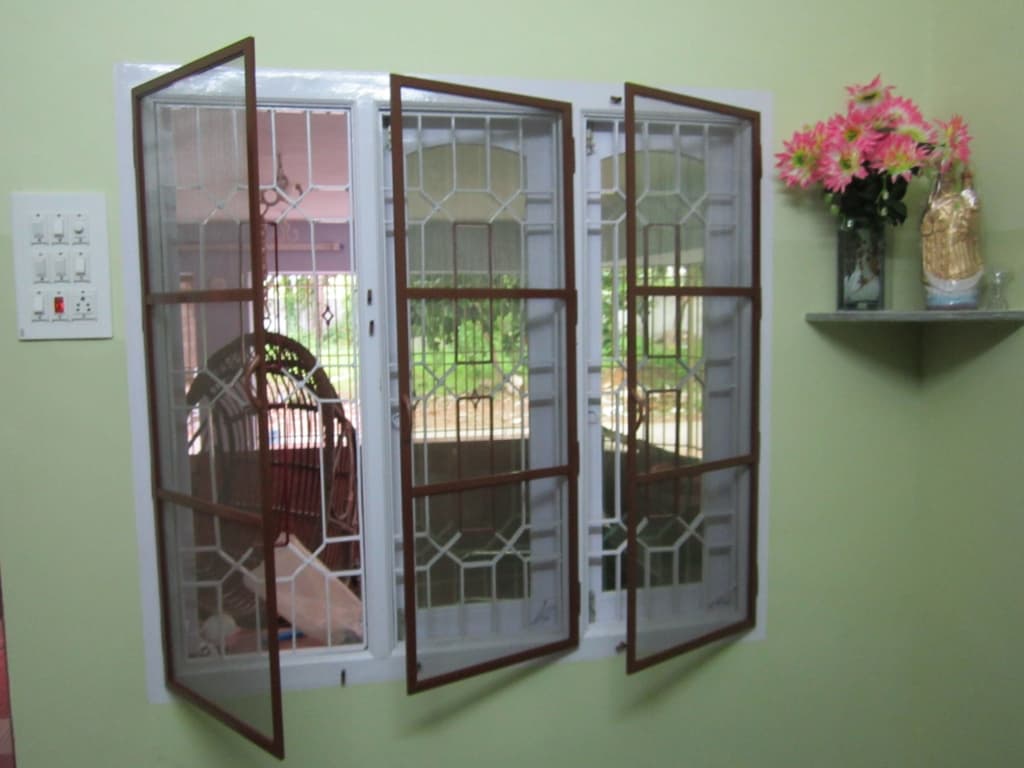
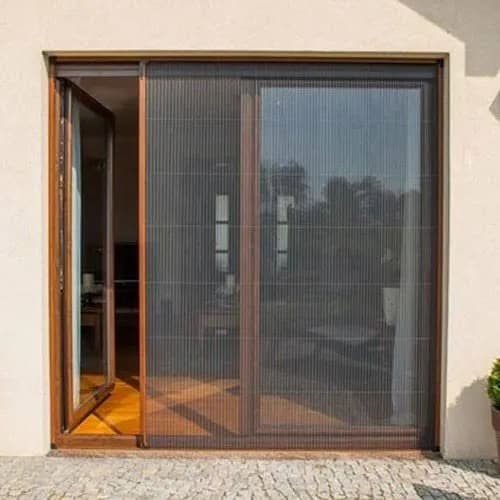
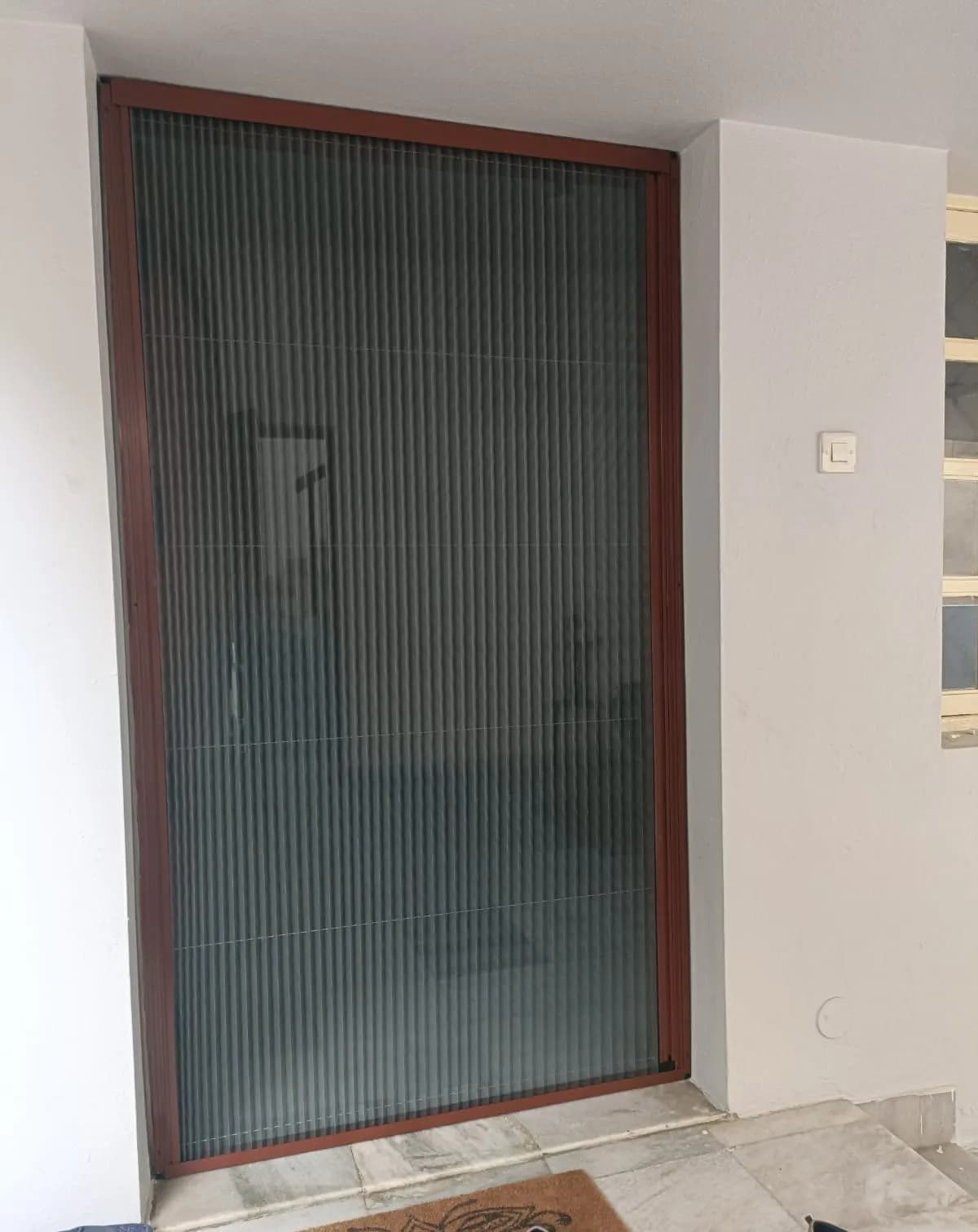
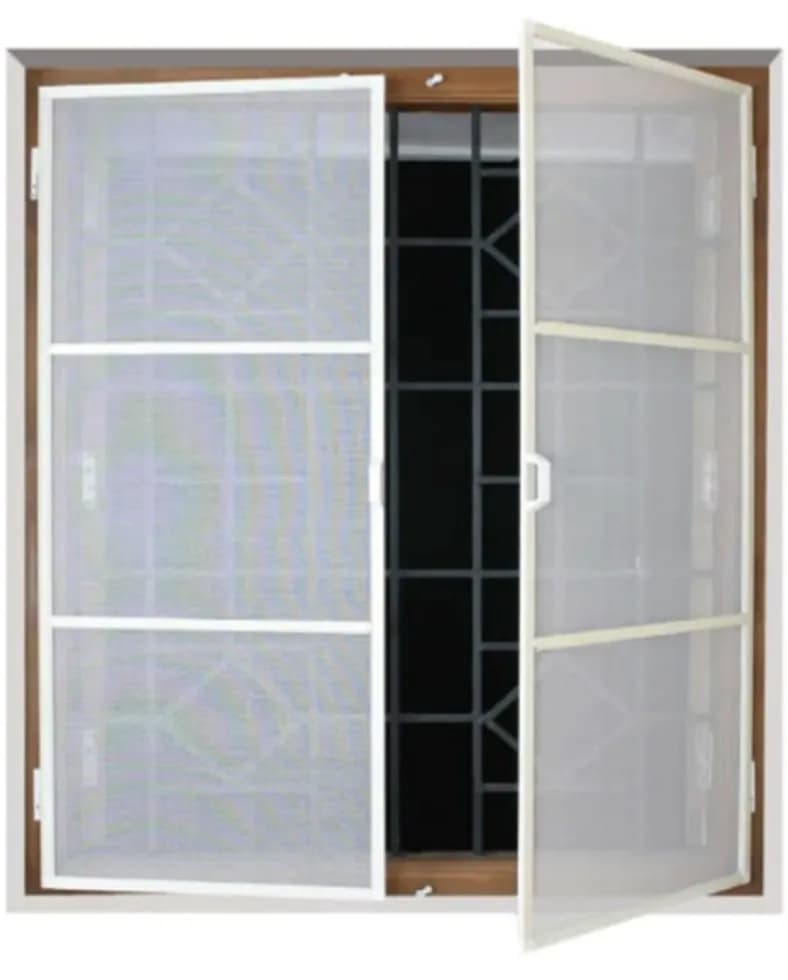
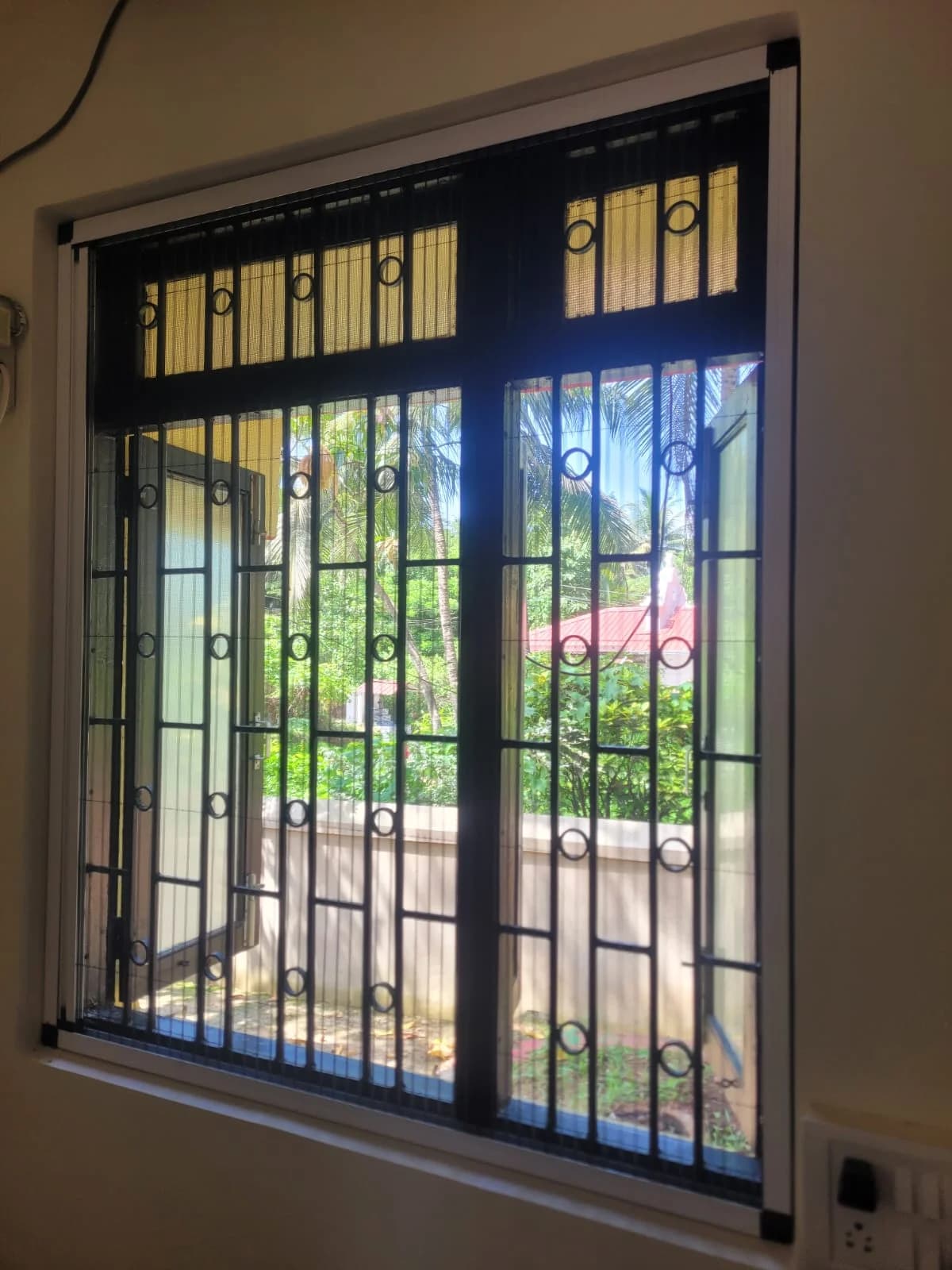
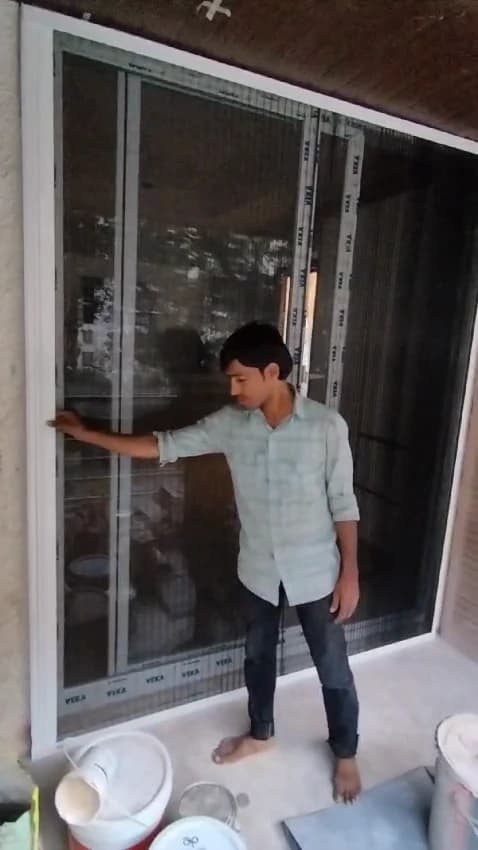
Ponda sits among forested hills and plantations, and in the monsoon that means insects of every size, from mosquitoes to moths and beetles drawn to the evening lights. Families here like to keep the house open to the air after a hot day, which is only comfortable with a net on each bedroom window and on the main door. A fine fibreglass or polyester mesh in an aluminium frame is all that is needed, since nothing rusts this far inland. Dust is the maintenance problem: mesh near a road clogs and dims the room. Sliding frames that lift out of their track can be washed under a tap, which a fixed net cannot.
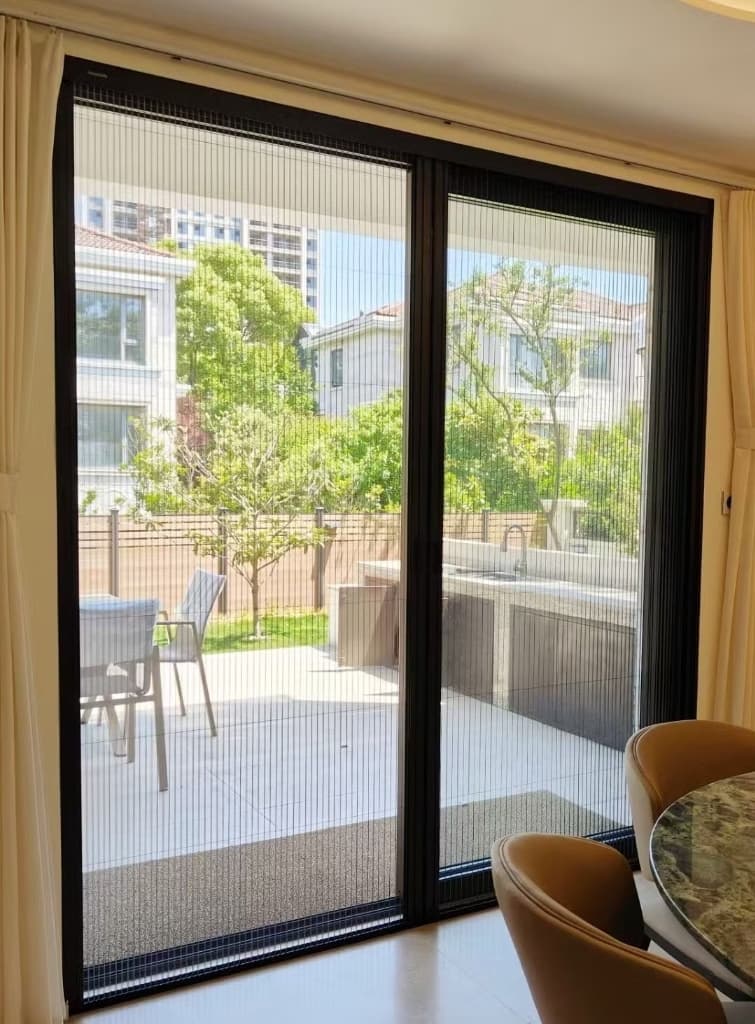
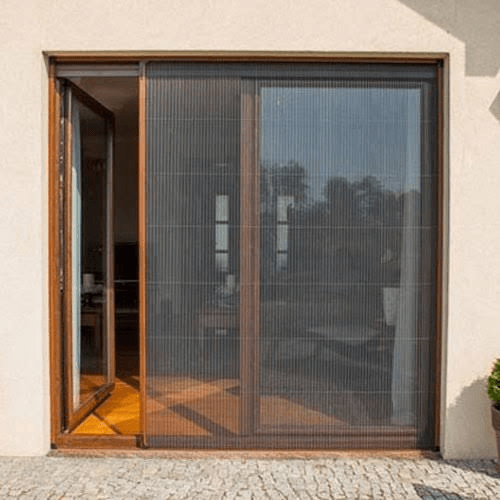
- Main doors of family houses: a sliding or pleated net, so the door can stand open in the evening without letting insects in.
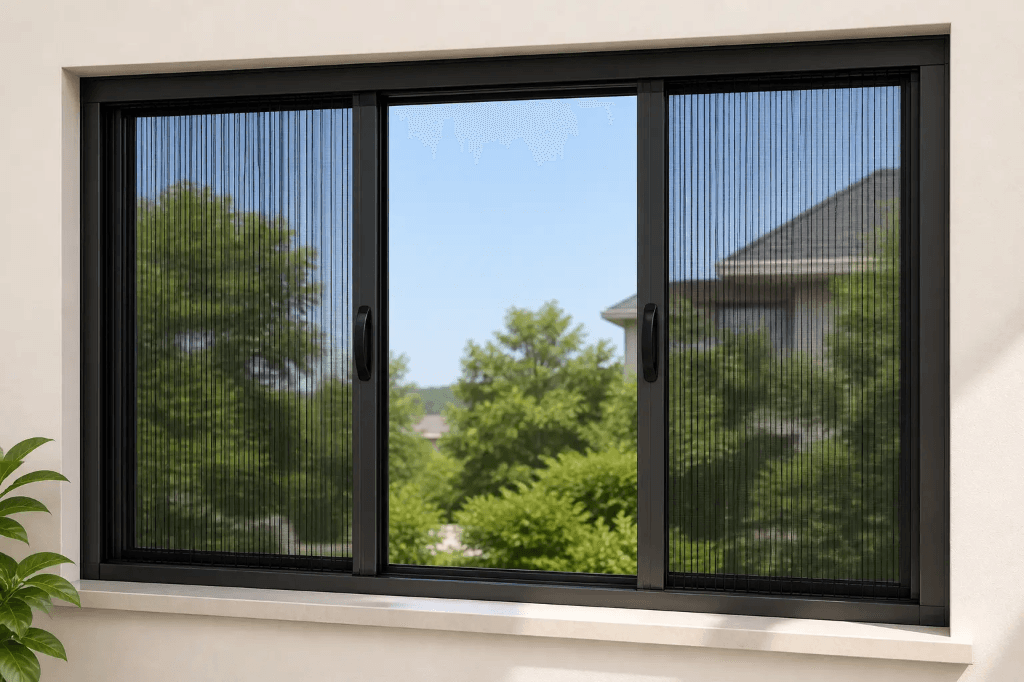
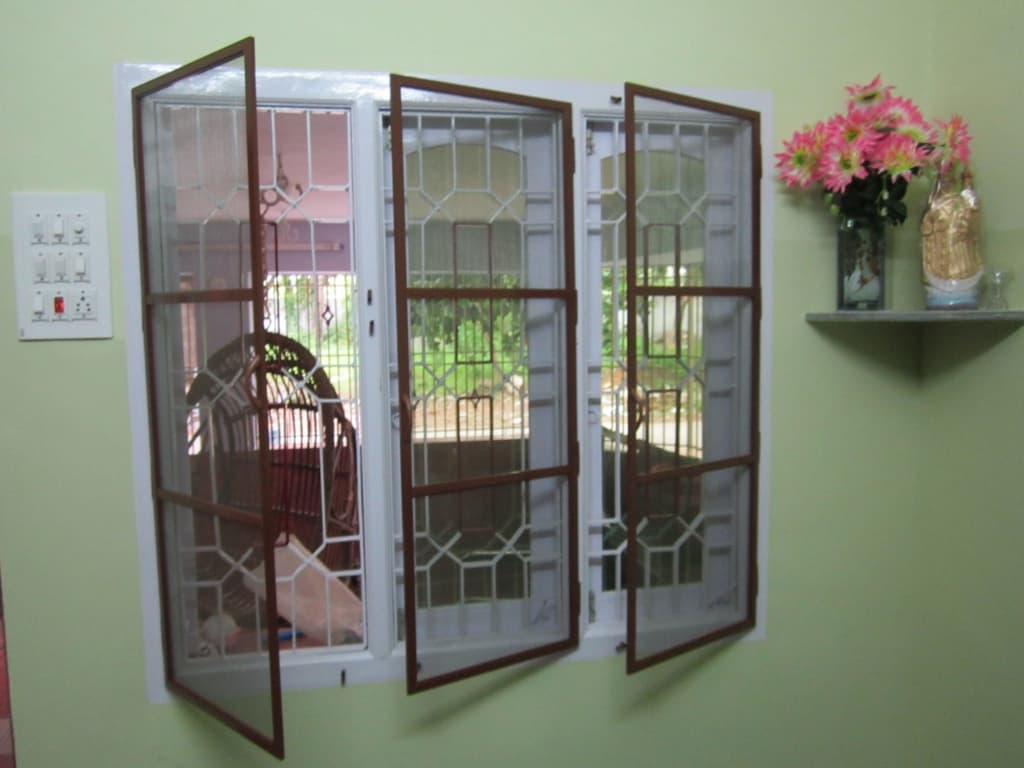
- Bedroom windows facing the hills: a fine mesh that stops small monsoon insects as well as mosquitoes, in a lift-out frame.
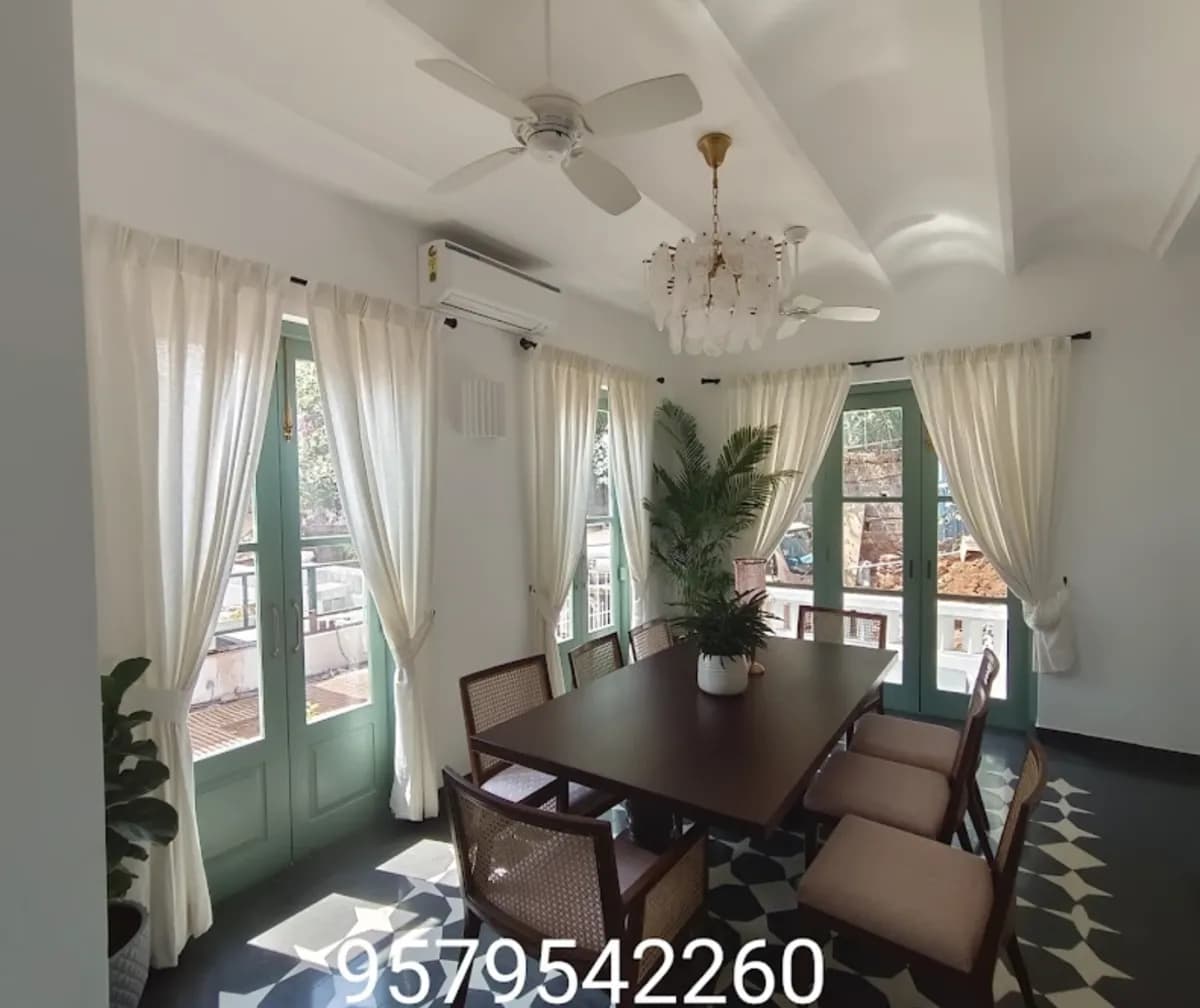
- Apartment balcony doors: a sliding net running beside the glass shutters, removed and rinsed when dust begins to grey the mesh.
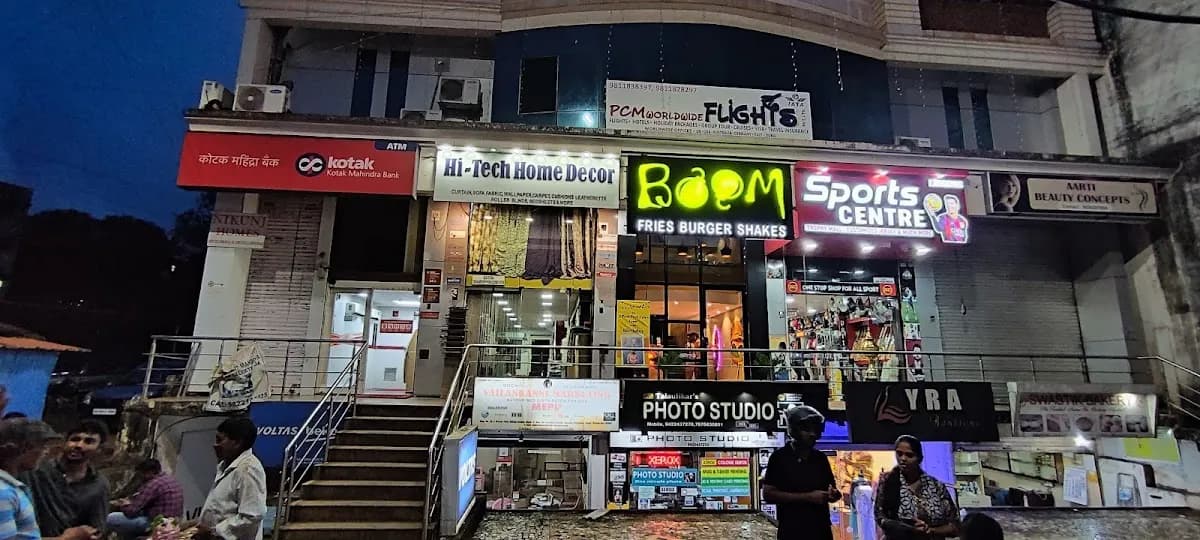
Ponda is the main town of the Goan hinterland, set among low forested hills. It is the centre of the taluka best known for its temples, at Mangeshi, Mardol and Kavlem, and for spice plantations, and it is also a working town, with industrial estates nearby and a busy market.
Ponda has grown fast in apartment buildings and housing colonies for people working in the industries and offices around it, alongside traditional family houses. Homes are owner-occupied and furnished for daily life, with pooja rooms and large family living rooms.
Ponda is well inland. There is no salt in the air, but summers are hotter than on the coast and the monsoon is heavy, with the surrounding hills adding to humidity. Dust from traffic through the town is noticeable.