Salt never reaches Ponda, so the case for Sunbrella here rests on sun, rain and dust. A veranda or terrace in the hinterland gets hotter sun than one on the coast, and ordinary cushion covers bleach on the side that faces it. Solution-dyed acrylic holds its colour, and when traffic dust or soot from the industrial estates settles on it, mild soap and water take it out. During the monsoon, humidity lingers among the hills and cotton cushions grow mould; this fabric resists it and dries fast. Water beads on it but gets through in a long downpour, the cloth being repellent and not waterproof, so move cushions under cover. Mid-tones show marks least.
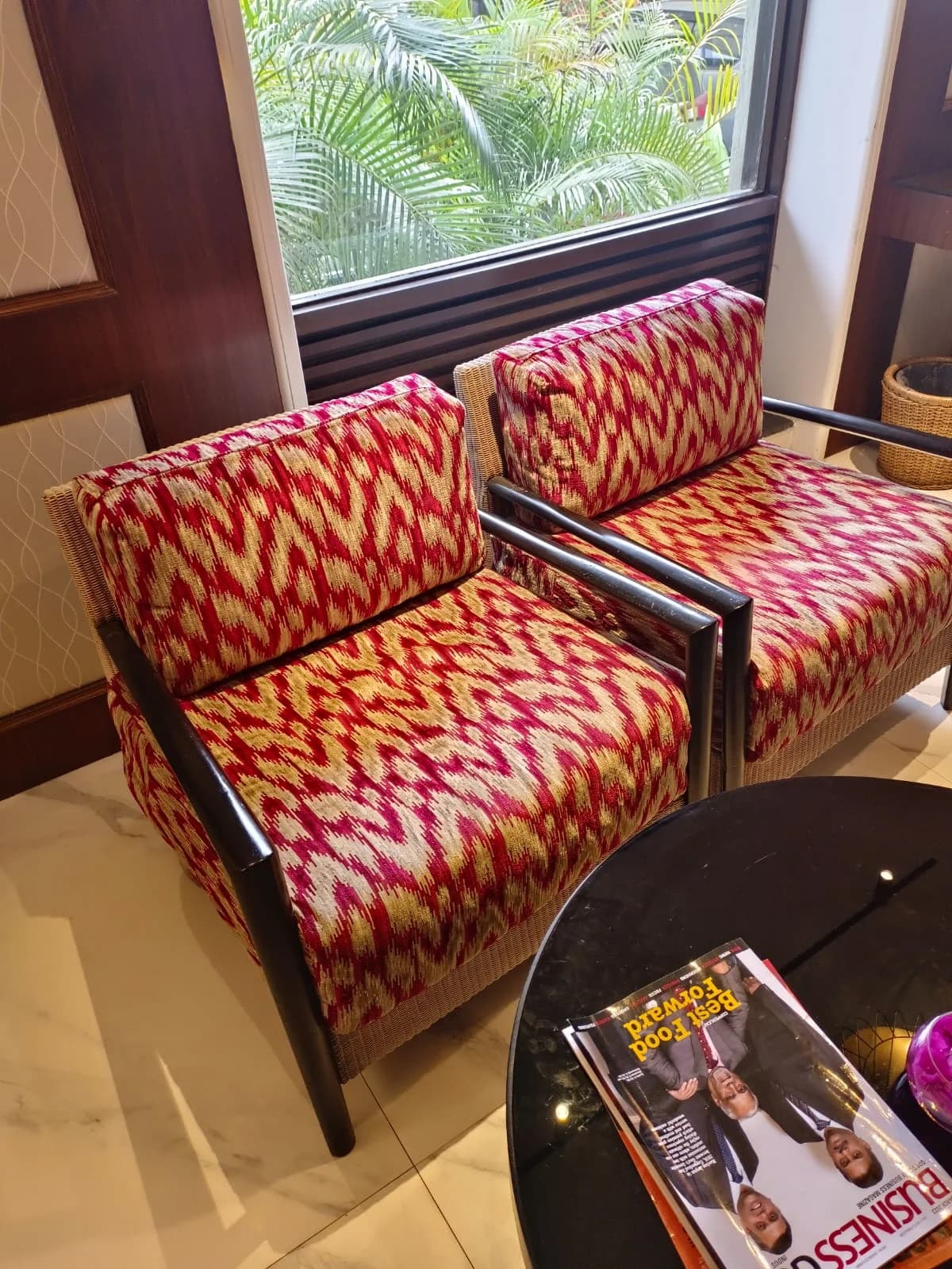
- Verandas of family houses: seat and back cushions for the sit-out, in a mid-tone weave that hides dust between washes.
- Balconies in apartment buildings: a pair of chair cushions that can stay outside through the year, saving storage space indoors.
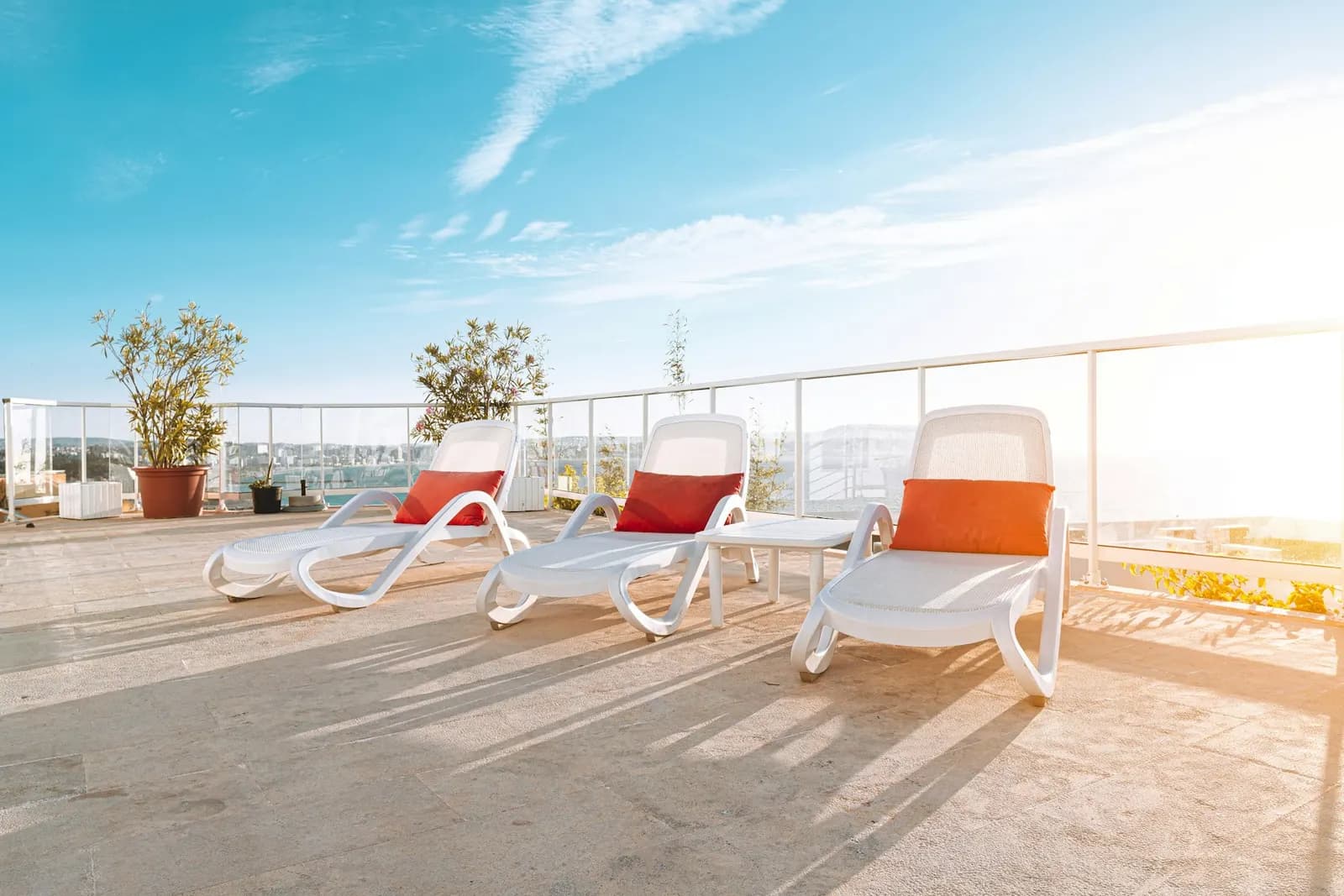
- Open terraces: outdoor curtains or a swing cushion in fade-resistant acrylic, washed down with soapy water after the dry, dusty months.
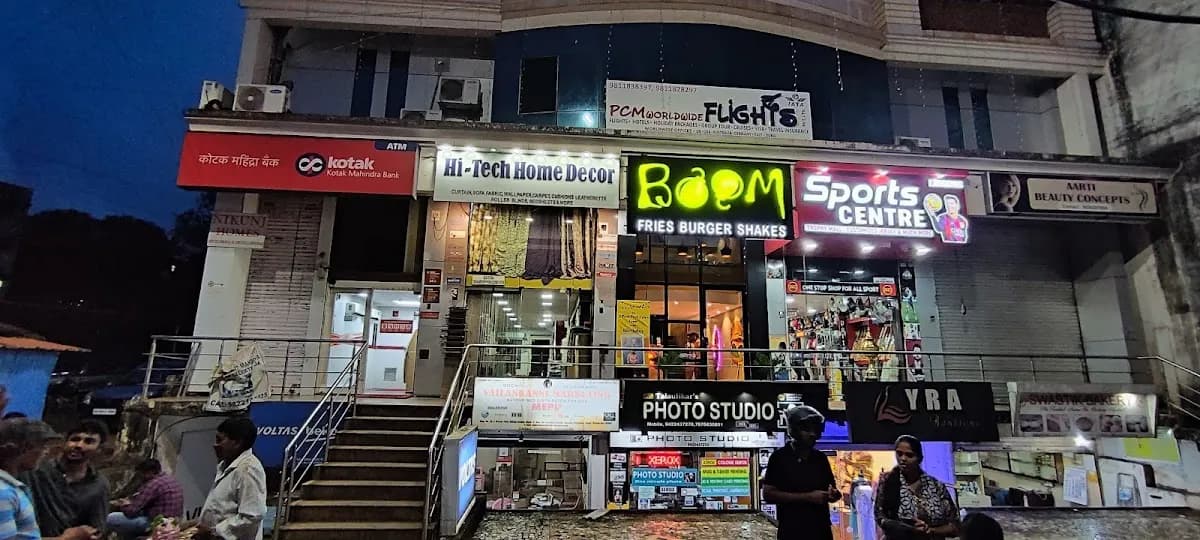
Ponda is the main town of the Goan hinterland, set among low forested hills. It is the centre of the taluka best known for its temples, at Mangeshi, Mardol and Kavlem, and for spice plantations, and it is also a working town, with industrial estates nearby and a busy market.
Ponda has grown fast in apartment buildings and housing colonies for people working in the industries and offices around it, alongside traditional family houses. Homes are owner-occupied and furnished for daily life, with pooja rooms and large family living rooms.
Ponda is well inland. There is no salt in the air, but summers are hotter than on the coast and the monsoon is heavy, with the surrounding hills adding to humidity. Dust from traffic through the town is noticeable.