A bedroom at Mormugao is damp for a good part of the year, and a thickly padded headboard pressed flat against an outer wall will hold that damp behind it. Hang it a finger's width off the wall so air passes, seal the wooden backing on both faces, and cover it in leatherette or a synthetic weave that will not turn musty. Smooth panels are better than deep buttoning, which gathers the port's dust. In the old officers' bungalows, a carved bed that has survived should be kept: a padded panel cut to fit inside its frame adds comfort without touching the woodwork. Compact quarters do well with a slim wall-fixed board.
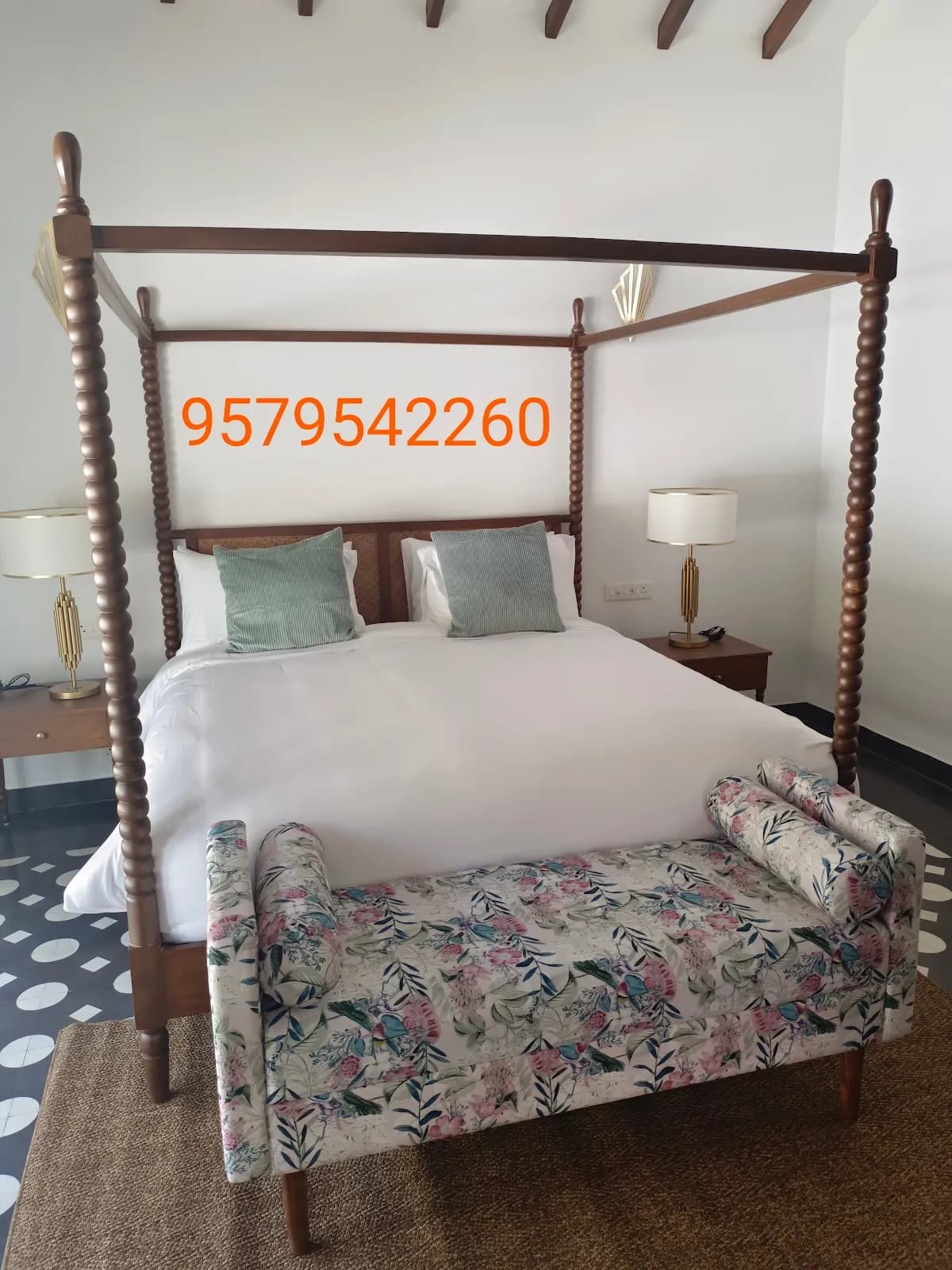
- Old bungalow bedrooms with carved beds: a padded insert made to sit inside the existing frame, leaving the timber unaltered.
- Quarters and small flats: a slim leatherette headboard on wall brackets, leaving a gap at the back for air.
- Bed walls that face the sea: sealed backing board and a wipeable synthetic cover, with flat panels in place of tufting.
Mormugao is the headland at the mouth of the Zuari, where the harbour and its berths are. The area around the port, including Sada and the Headland, has port trust quarters, old bungalows built for port and railway officers, and housing on the hill above the harbour.
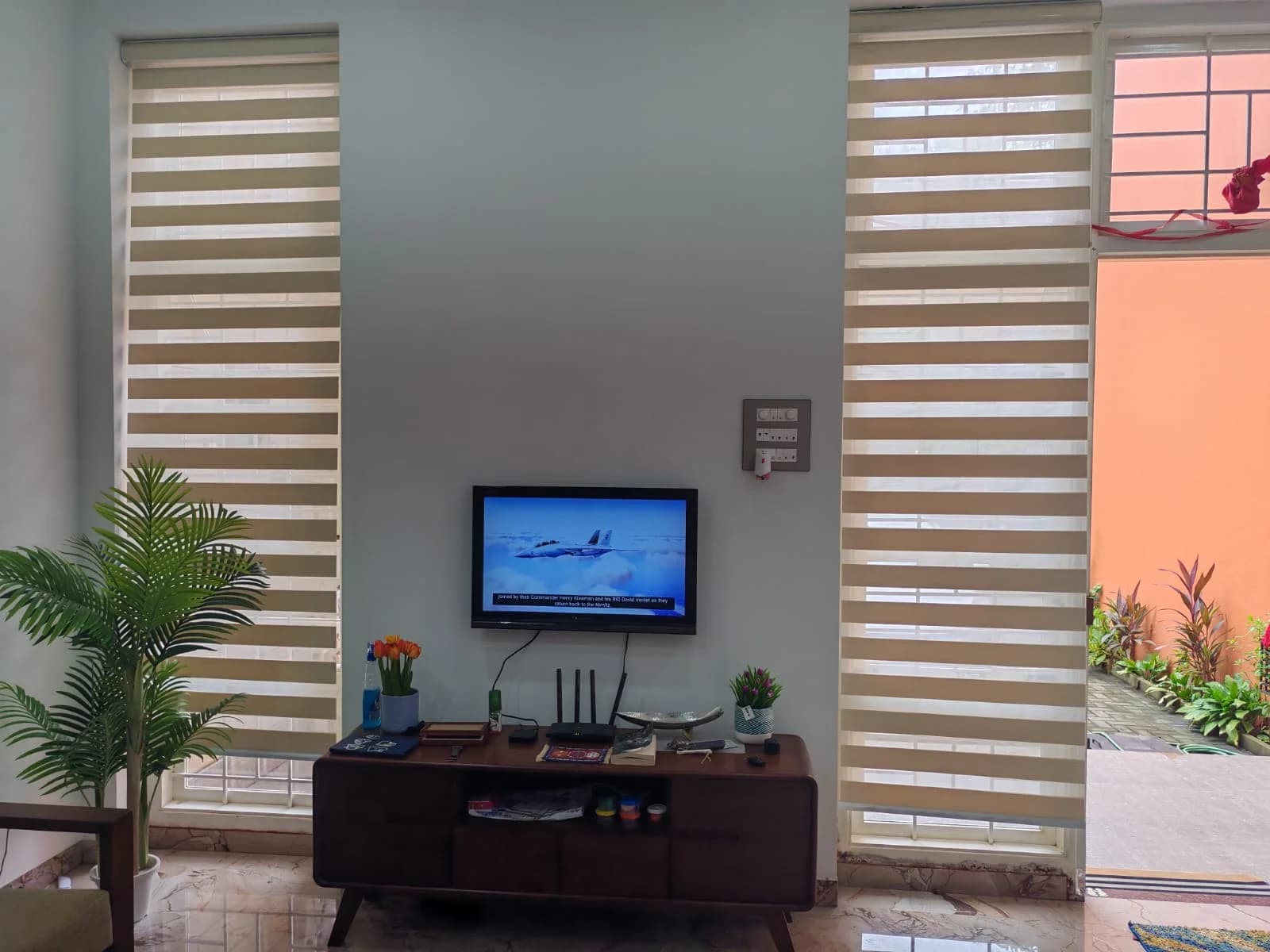
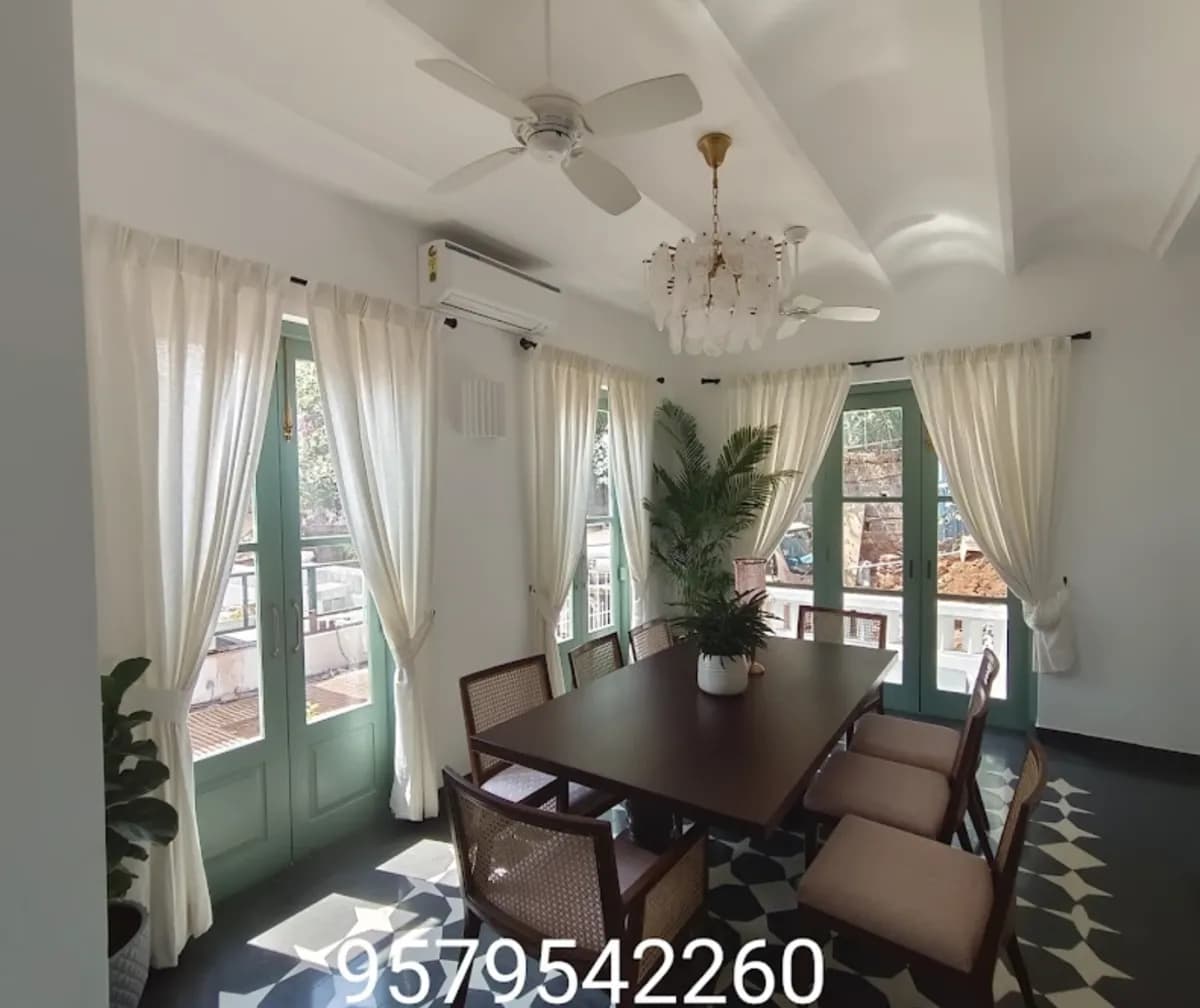
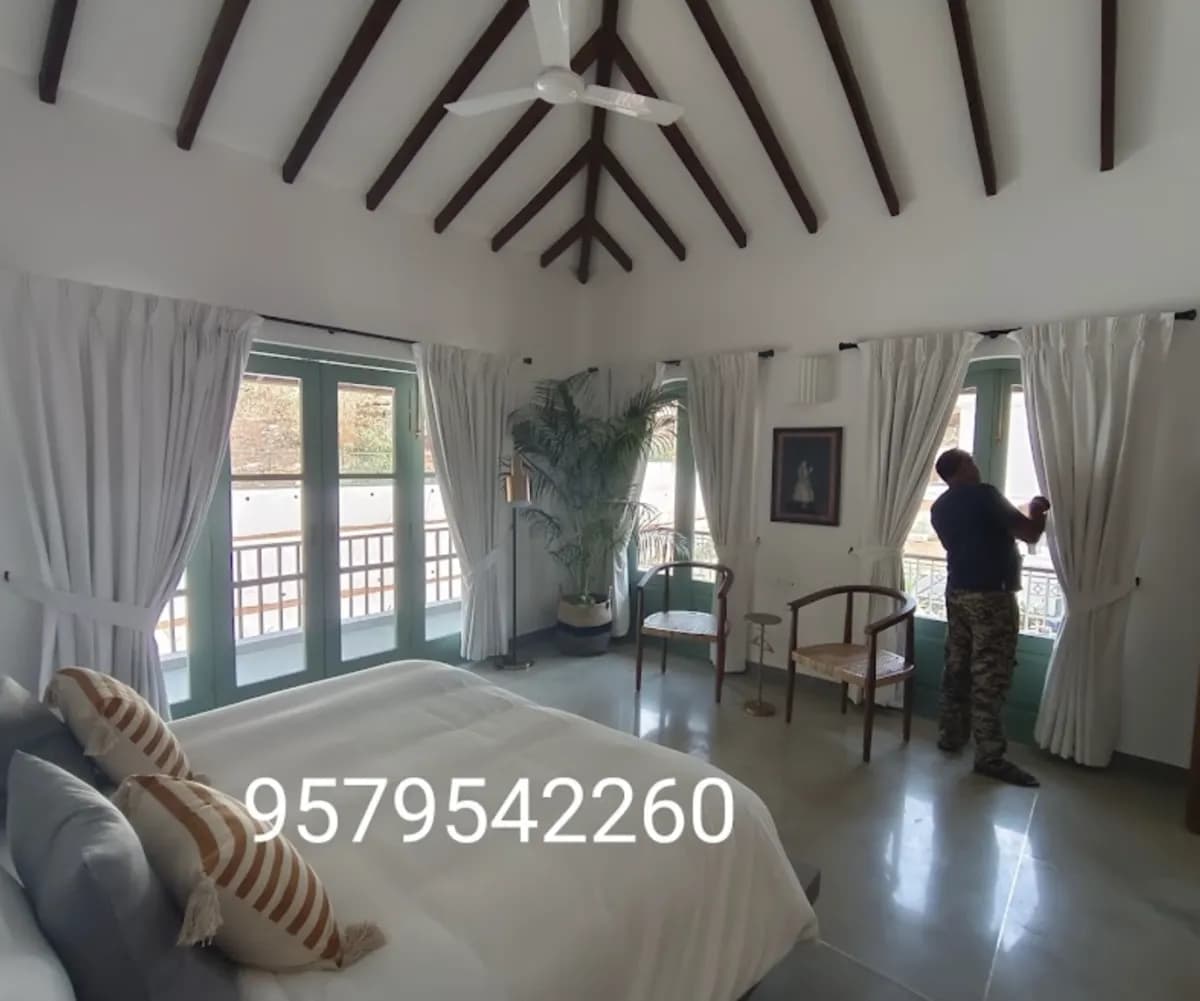
Housing ranges from large officers' bungalows with verandas and tall windows to compact staff quarters and flats. The bungalows have high ceilings and many windows, which means a good deal of curtain; the quarters have small windows where a blind is neater.
The headland is surrounded by water and takes the full force of monsoon wind. Salt, damp and port dust together make this the hardest place in South Goa for fabrics and metal fittings. Everything should be washable and rust-proof.

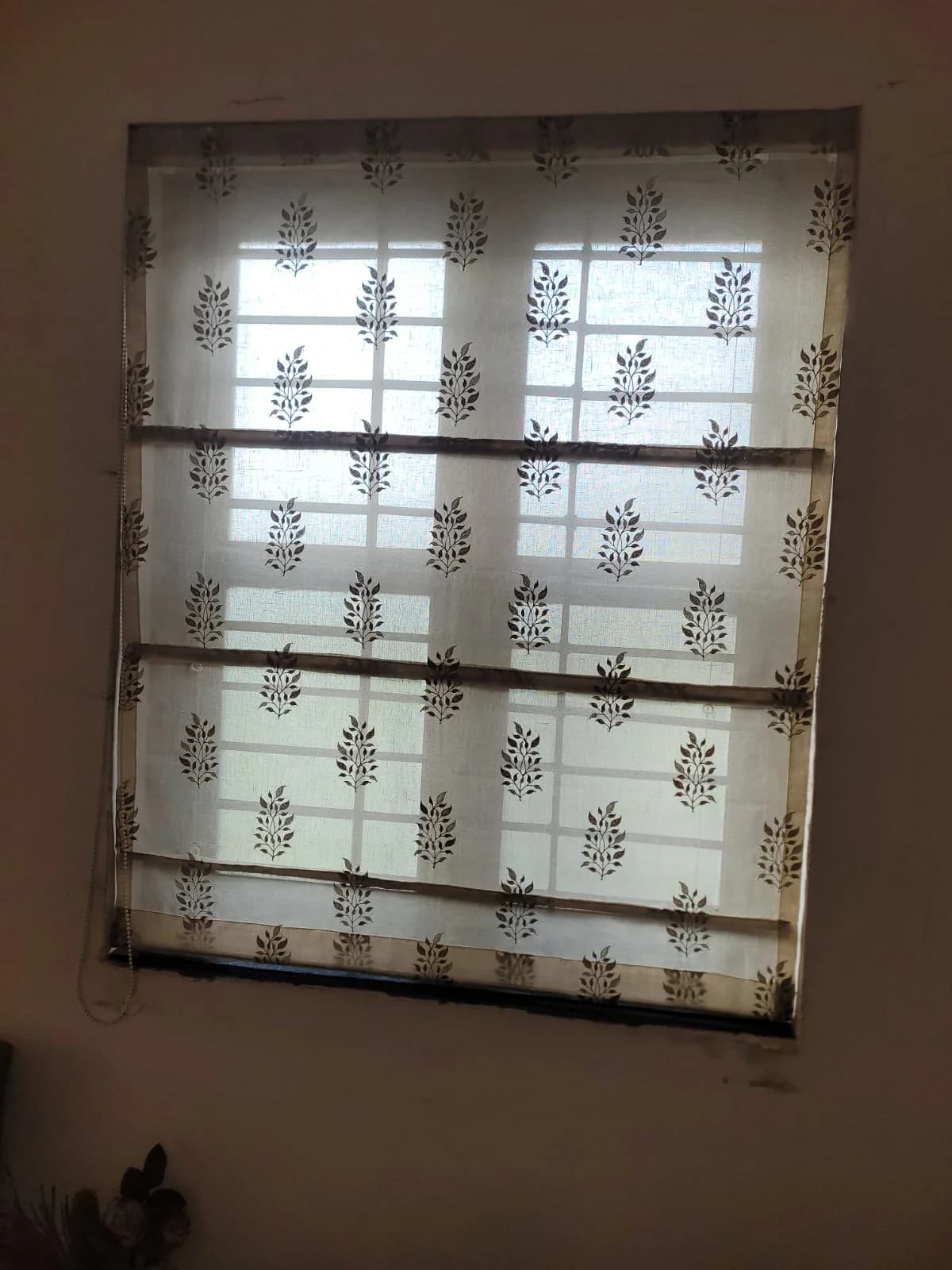 blinds