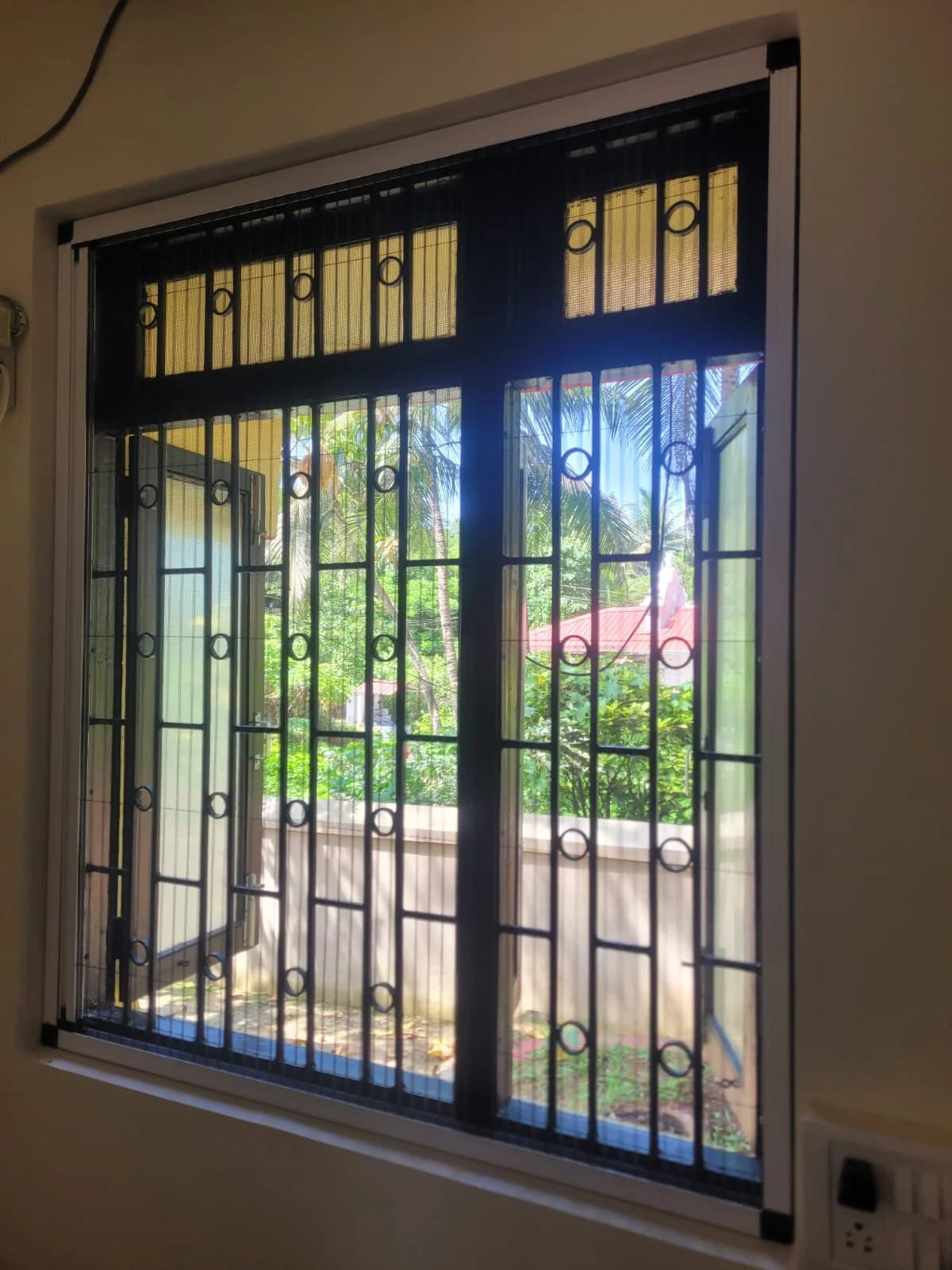
In Dabolim the bed wall is often an outer wall with a large window beside it, high above the plateau, and that shapes the headboard. Morning or afternoon sun falling across it fades ordinary cloth in a band, so a fade-resistant fabric or leatherette is the sensible cover. Deep button tufting is best avoided, since each dimple fills with the red dust that blows in before the rains; flat panels or shallow channels wipe clean. A wall-fixed board saves floor depth in an apartment bedroom. A thickly padded one also takes a little echo out of the room, which light sleepers on shift patterns may notice, though it will not shut out aircraft.
- Apartment bedrooms: a wall-mounted panelled headboard the width of the bed, in a smooth cover that a damp cloth cleans.
- Bed walls beside large sunny windows: fade-resistant fabric or leatherette, so the half nearest the glass does not lighten.
- Flats let furnished: a plain rectangular board in leatherette, simple to wipe between tenants and easy to re-cover later.
Dabolim sits on the plateau above the Zuari, between Vasco and Cortalim, and is where Goa's older airport and the naval air station are. The plateau has filled with apartment complexes and gated colonies whose residents work at the airport, the navy, Verna and Vasco.
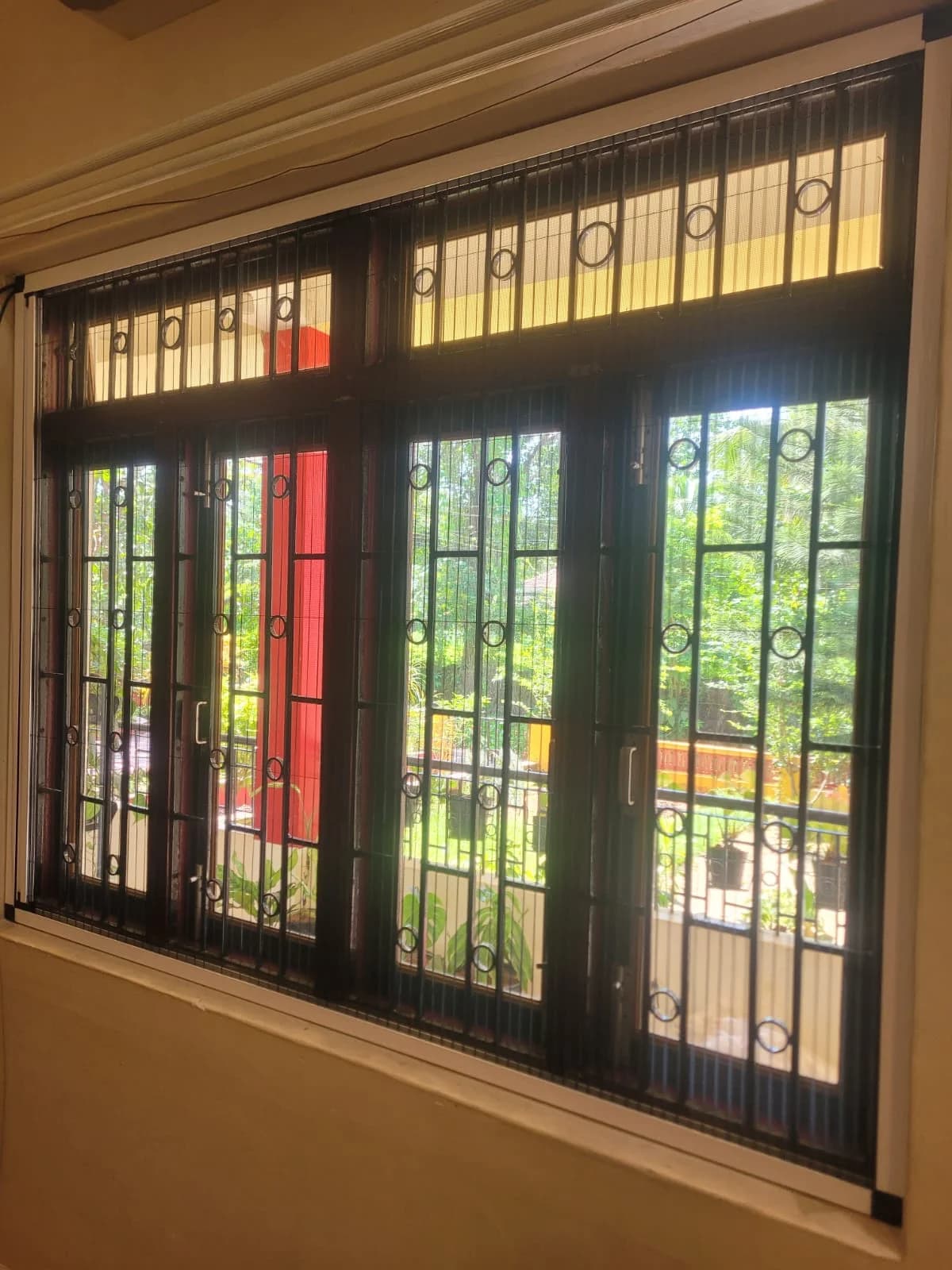
Housing here is mostly mid-rise and high-rise apartments, many on upper floors with wide views. Windows are large and exposed. Blackout is in demand in bedrooms because of shift work at the airport, and many flats are let furnished.
The plateau is open to wind from the sea and the river. Aircraft noise is part of life, and red laterite dust blows in the dry months. Heavier lined curtains help a little with noise, and smooth blinds are quicker to clean of dust.



 sliding-nets