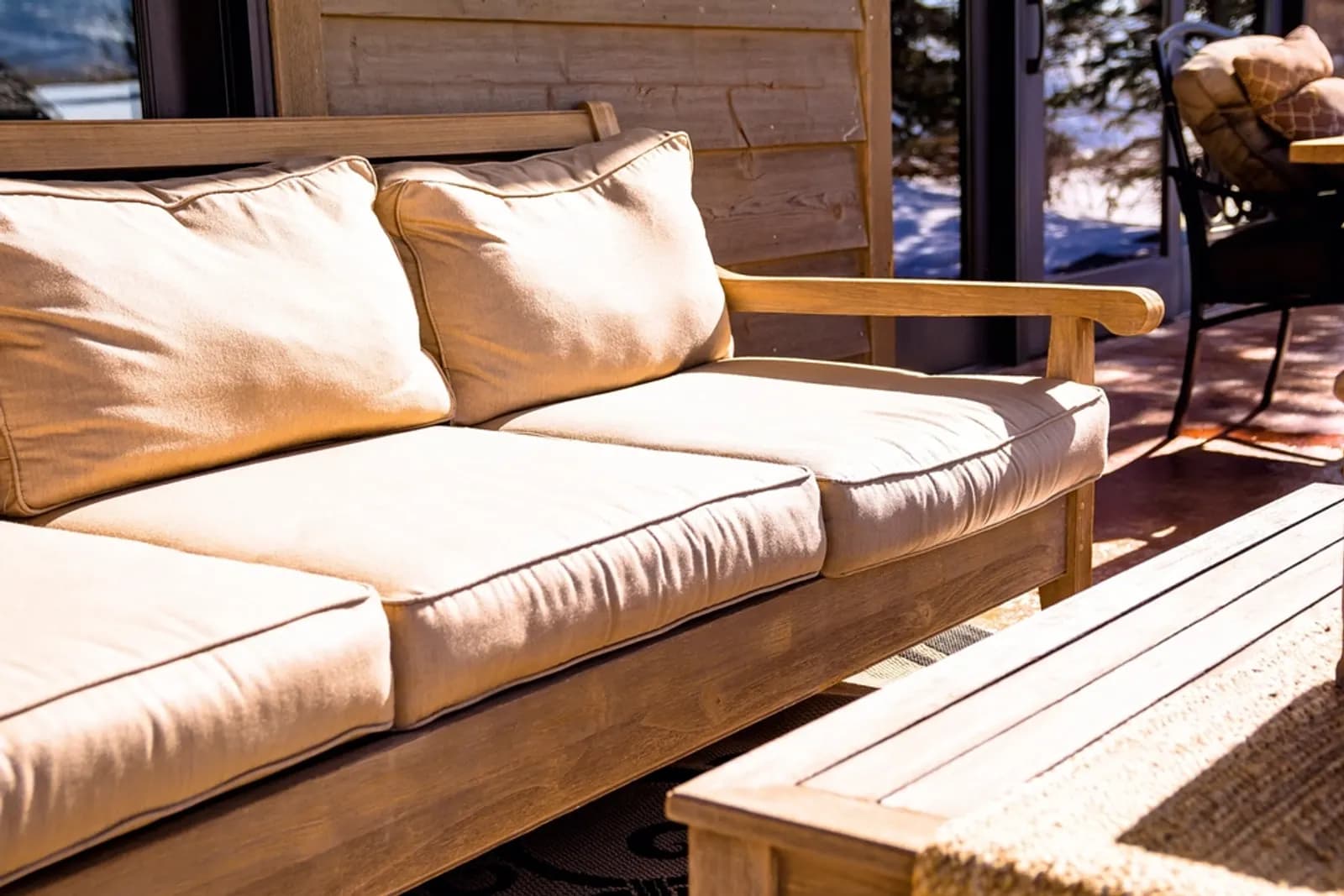
Bedrooms in Chapora are small, plain and humid, and the headboard should respect all three. Keep it modest in size. Do not press thick padding against an outer wall, where river damp will sit behind it; hang the board on the wall with a clear gap, or fix it to the bed itself so it stands free. Leatherette or a wipeable synthetic cover is better than velvet or linen, which stay clammy in salty air, and the timber backing should be sealed all round. Where an old carved bed survives in a village house, renew its cane or add a padded panel inside the frame and leave the wood alone. Rooms for letting need simple shapes.
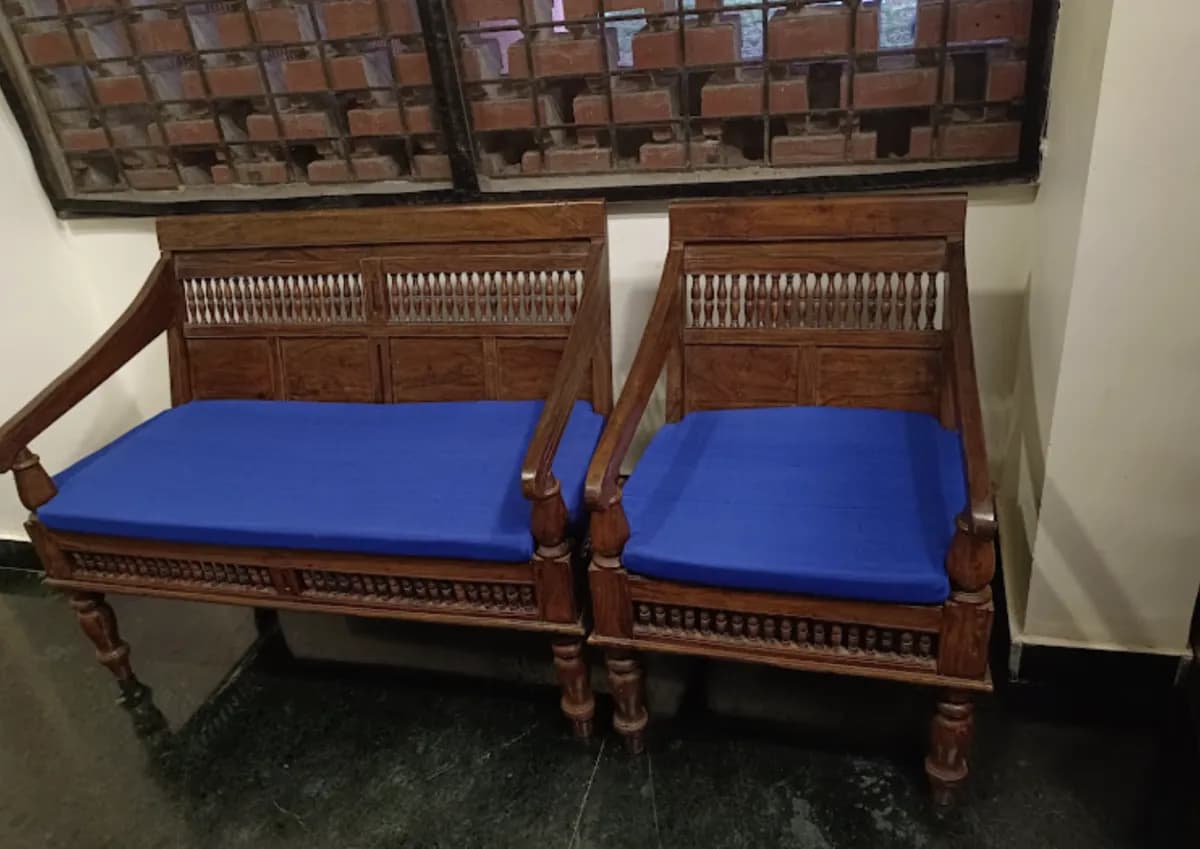
- Old carved beds in family houses: cane renewed or a padded panel set within the frame, without altering the woodwork.
- Rooms let to long-stay visitors: a plain leatherette headboard fixed to the bed, wiped down between one tenant and the next.
- Bedrooms on the river side: a wall-hung board with an air gap behind and a sealed back, in a synthetic cover.
Chapora is a fishing village at the mouth of the Chapora river, below the fort. It has a working jetty where trawlers land their catch, a small main street, and old houses in the lanes, many let to long-stay visitors.
Homes are mostly traditional village houses, some divided into rooms for letting, with a few guest houses. Windows are small and wooden, and furnishing is simple.
With the river on one side and the sea round the headland, Chapora is humid and salty. Mosquitoes are a nuisance near the water.
Riverside and backwater homes
In a damp room, avoid thick padding pressed hard against an outside wall. A wall-hung headboard with a gap behind it, in a cover that can be wiped, stays fresh.
Sea-facing homes
Fix a headboard a little off a sea-facing wall so air can move behind it, and choose a synthetic or leatherette cover that does not hold damp. Wooden backing boards should be sealed on both sides.
 blinds