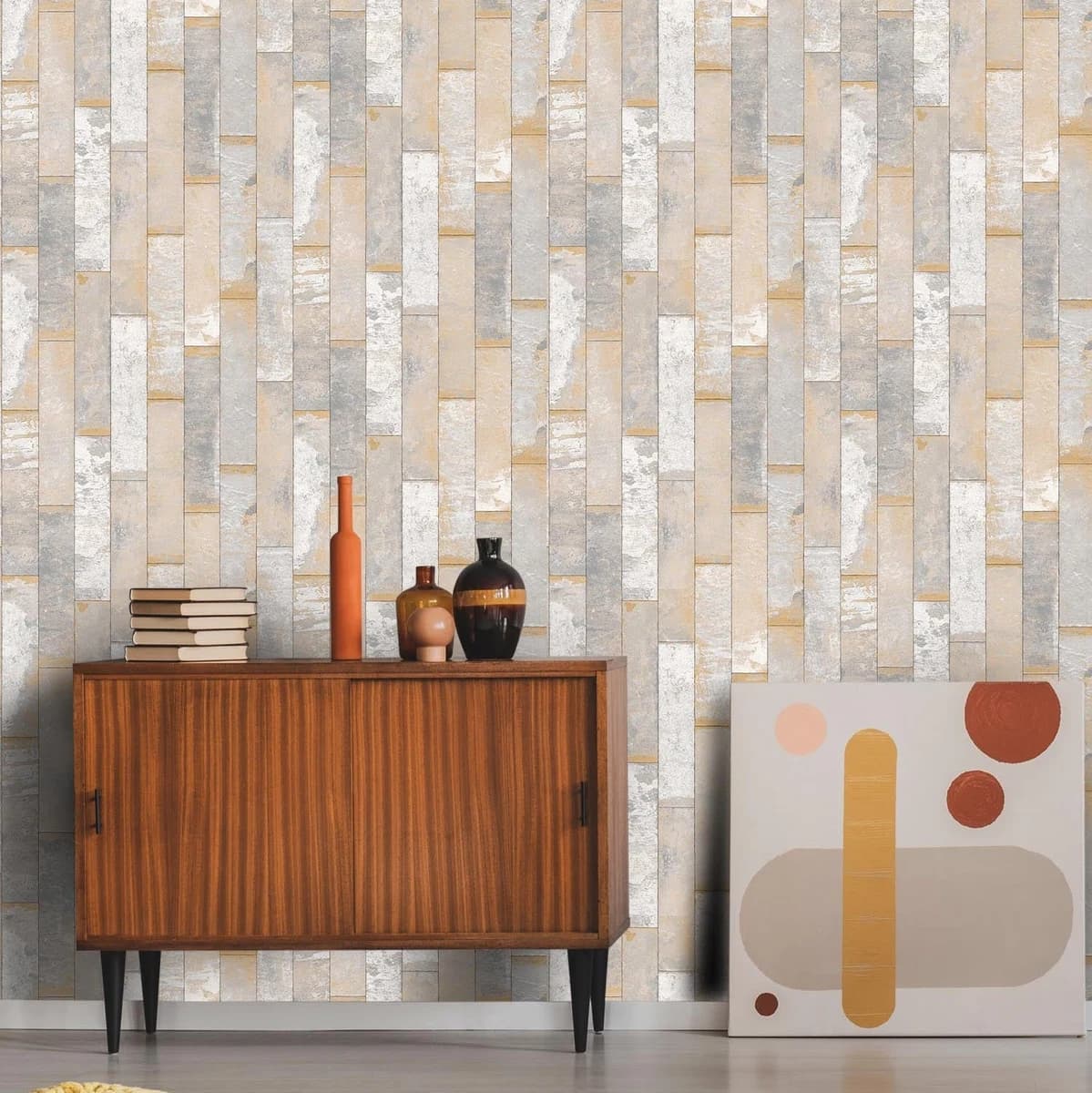
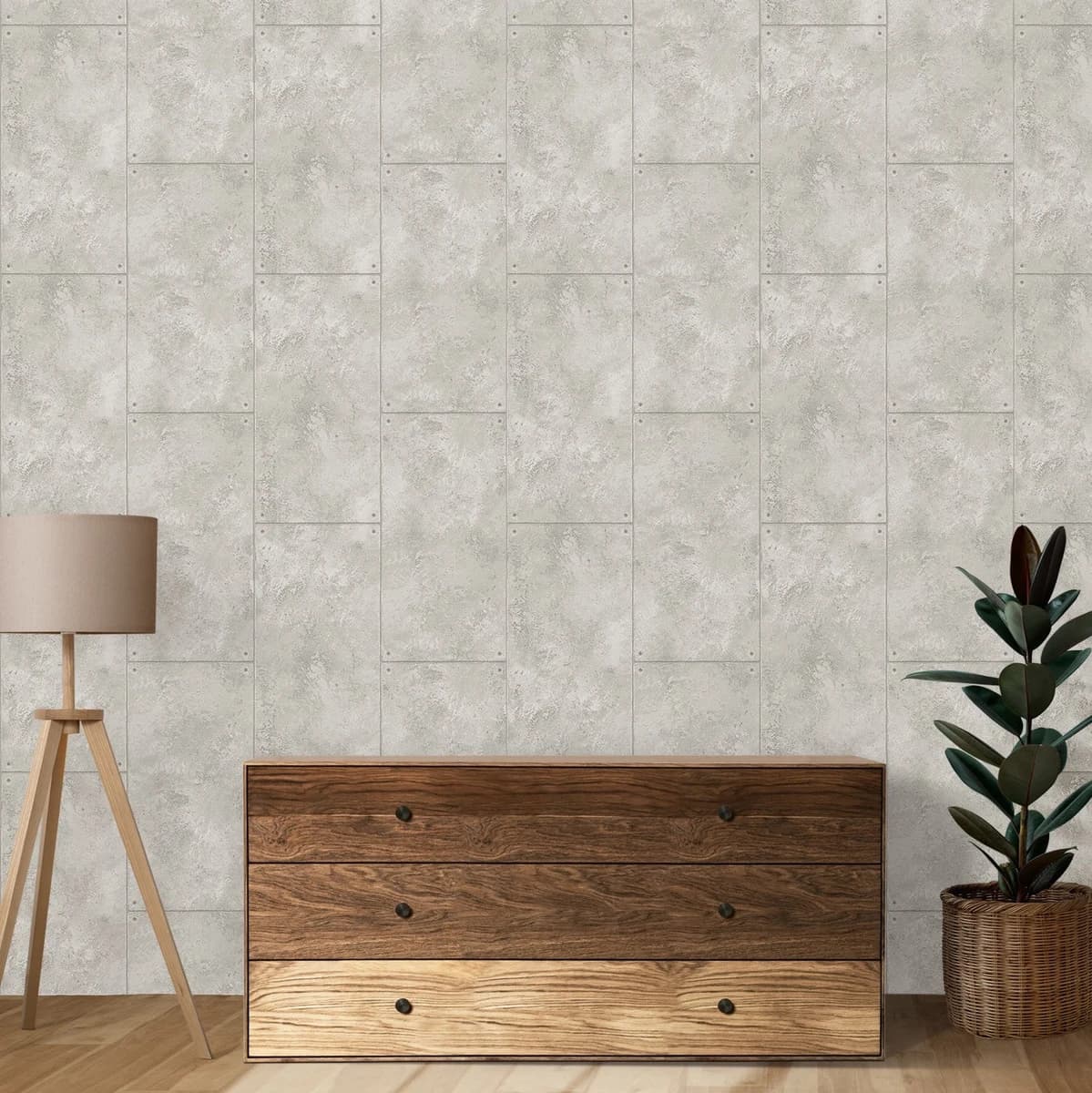
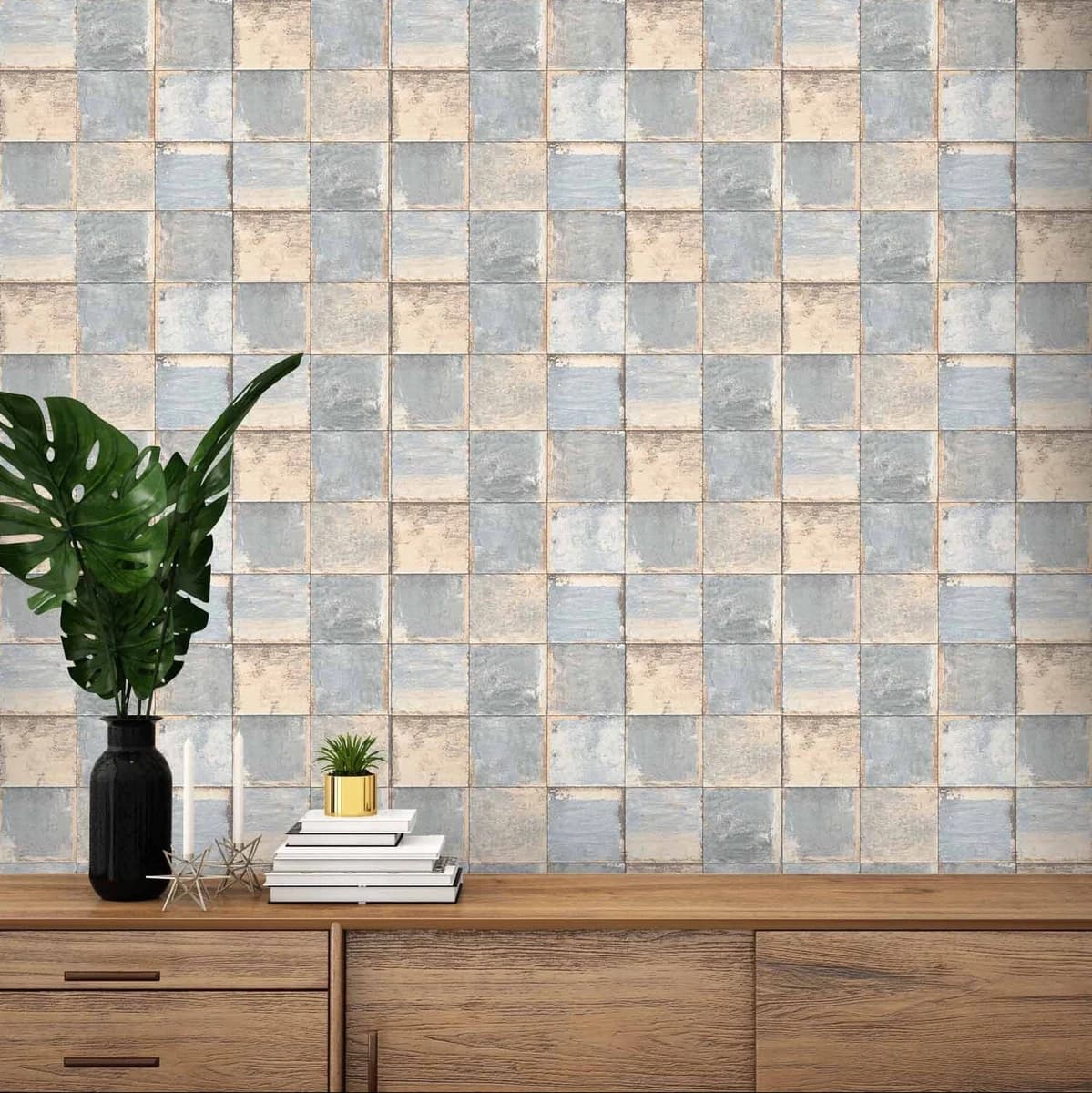
Think twice before papering a wall in Chapora. The village houses are old, their walls lime-plastered over laterite, and with the river at the door those walls draw damp up from the ground and need to breathe it out again. Vinyl laid over them traps the moisture, and the paper blisters. Wallpaper belongs only on a wall that has been tested and found dry: usually a later partition put in when a house was divided into rooms for letting. Even there it should stop well above skirting level and be hung with anti-fungal adhesive. For a damp wall that looks shabby, PVC wall panels are the honest fix.
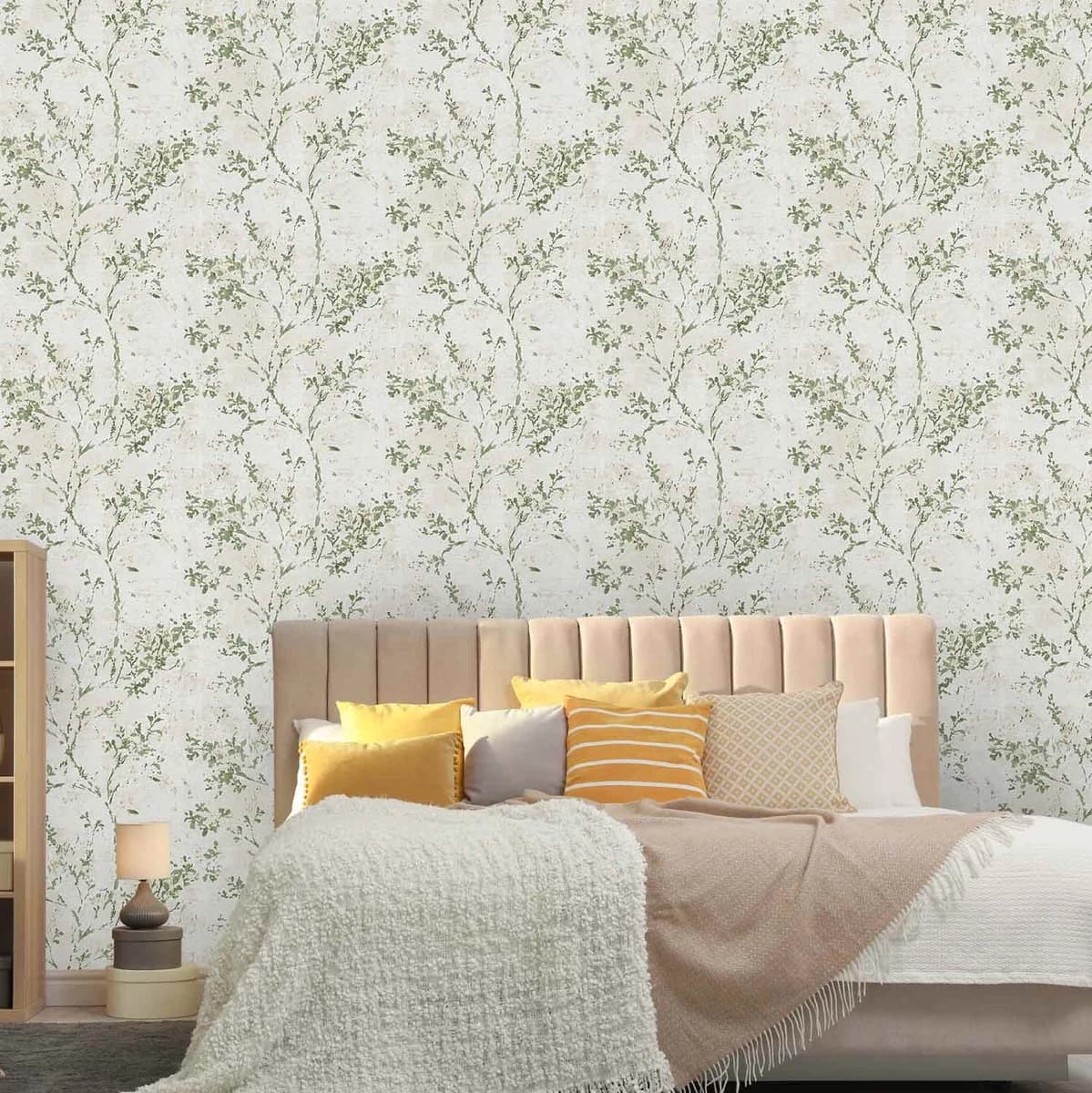
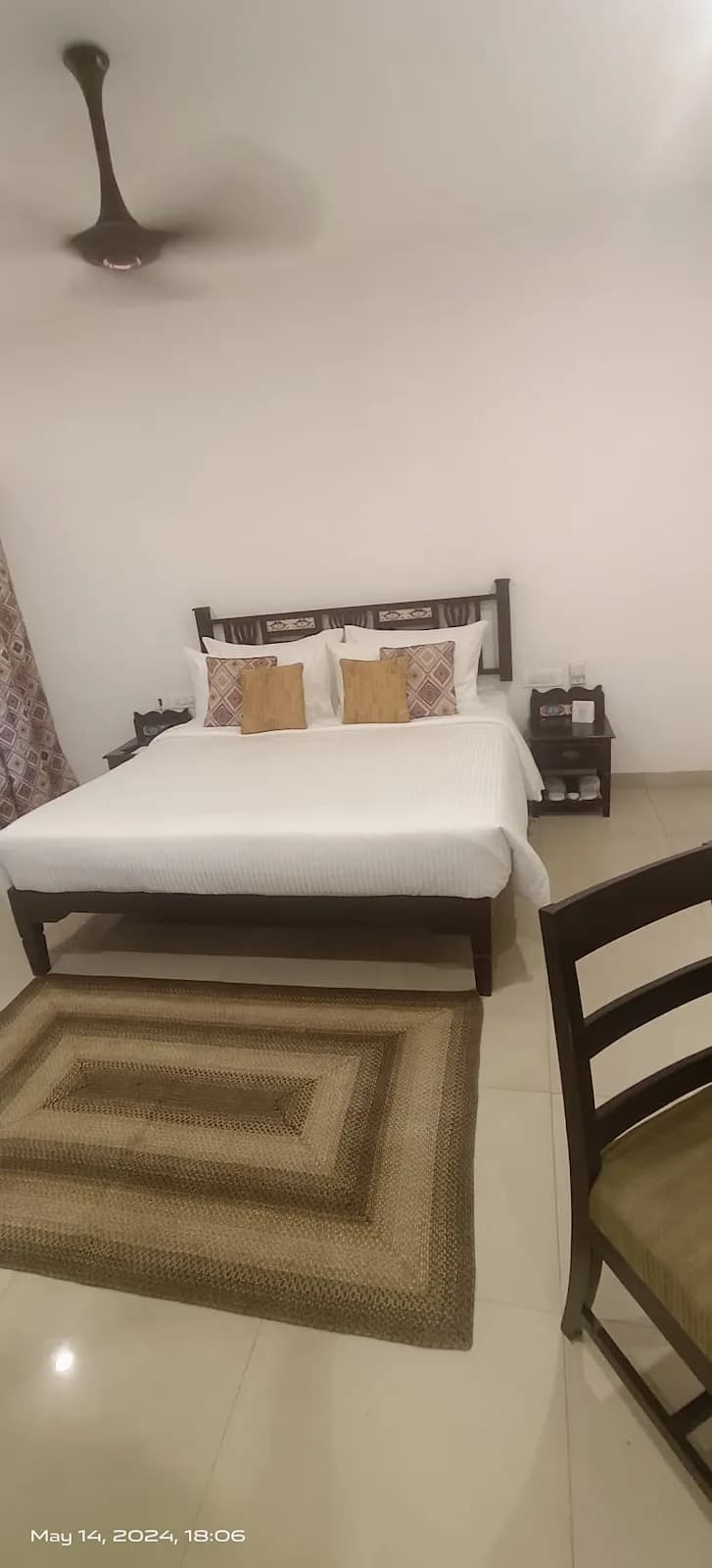
- Houses divided into letting rooms: vinyl wallpaper on a later partition behind the bed, away from where bags scrape.
- Original lime-plastered walls: leave them painted in a breathable finish; do not seal them under vinyl wallpaper of any kind.
- Ground-floor rooms near the river: PVC wall panels on any wall with a damp line, with wallpaper kept for walls that stay dry.
Chapora is a fishing village at the mouth of the Chapora river, below the fort. It has a working jetty where trawlers land their catch, a small main street, and old houses in the lanes, many let to long-stay visitors.
Homes are mostly traditional village houses, some divided into rooms for letting, with a few guest houses. Windows are small and wooden, and furnishing is simple.
With the river on one side and the sea round the headland, Chapora is humid and salty. Mosquitoes are a nuisance near the water.
Riverside and backwater homes
Walls near water hold damp at the base. Wallpaper should stop above any tide mark of rising damp, and the wall should be treated first. Vinyl papers with anti-fungal adhesive cope with humidity; paper-backed and fabric wallpapers do not.
Sea-facing homes
Sea-facing walls take in salt and moisture, and paper lifts at the seams if the wall is not sealed. Use vinyl-coated wallpaper on an anti-fungal primer, and keep it to inner walls or walls that do not face the weather. Check for salt bloom on the plaster first.