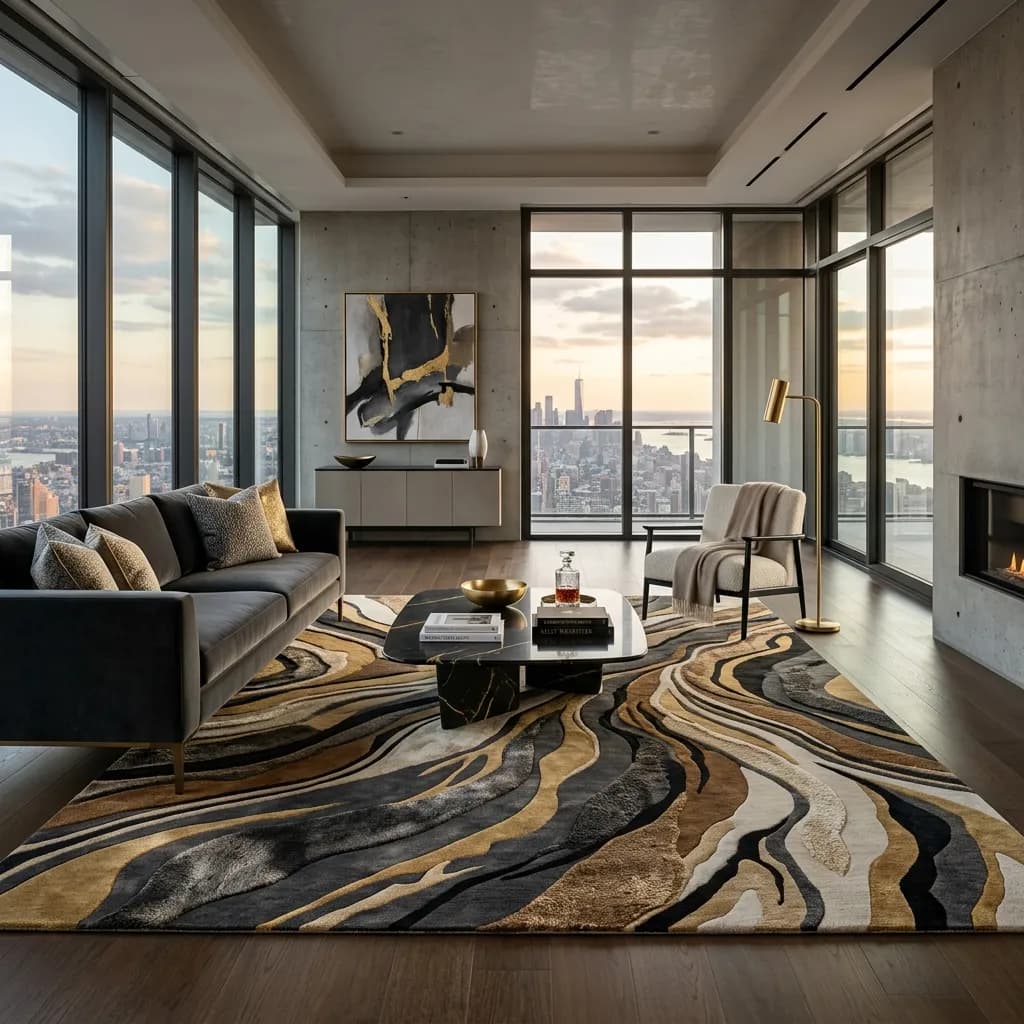
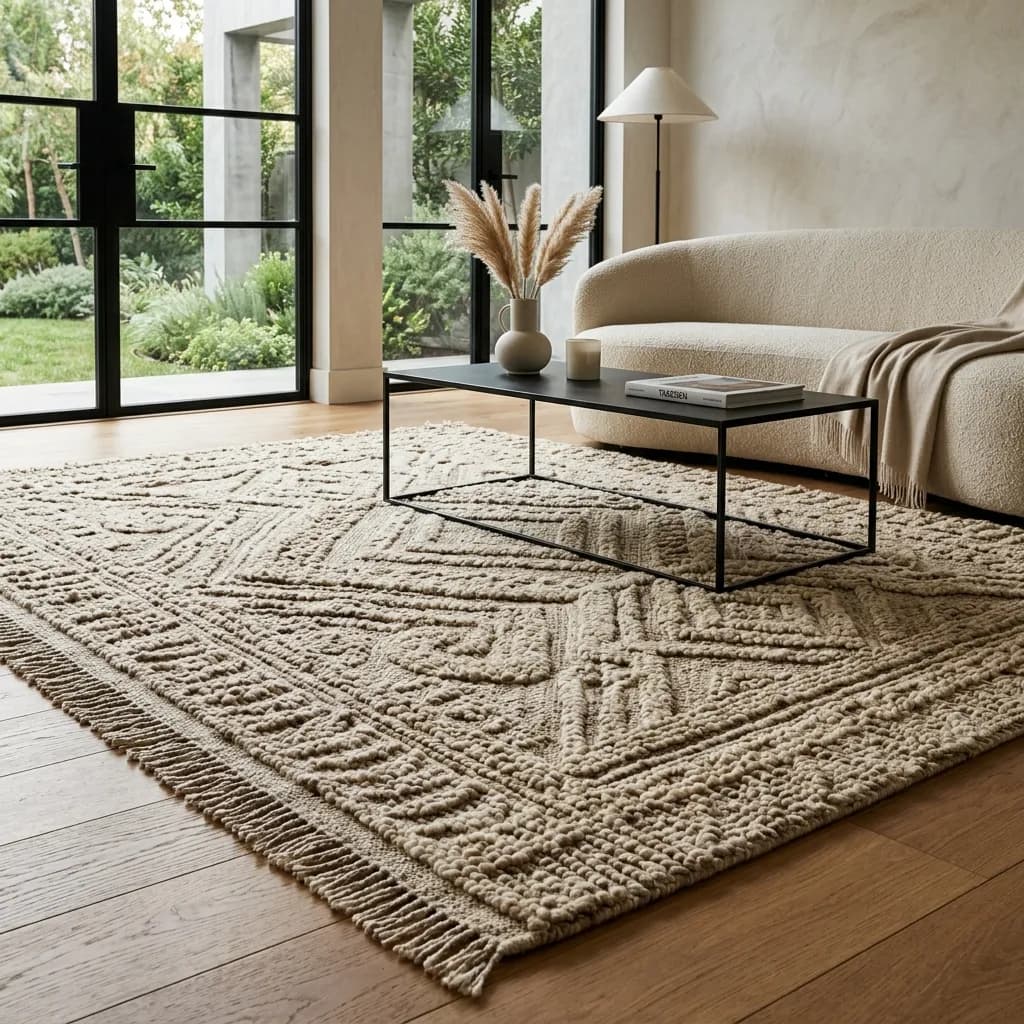
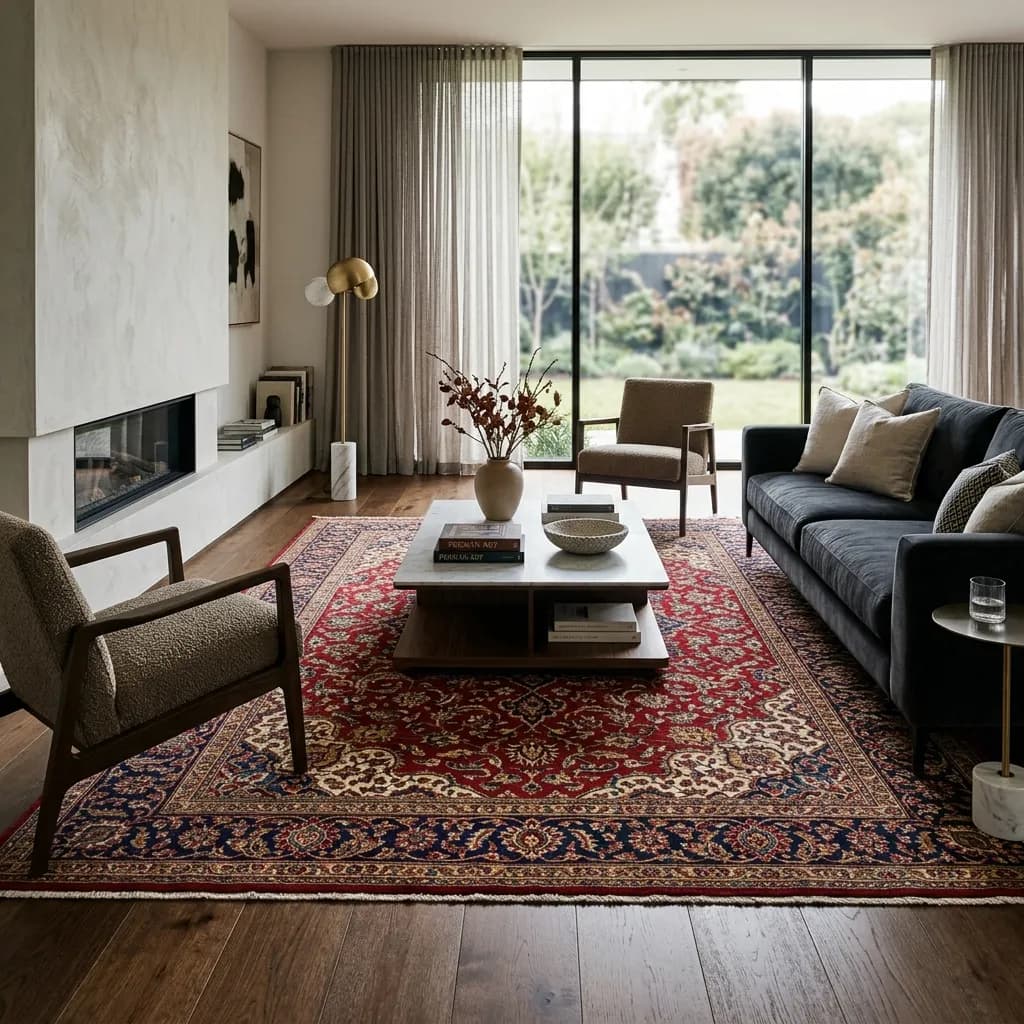
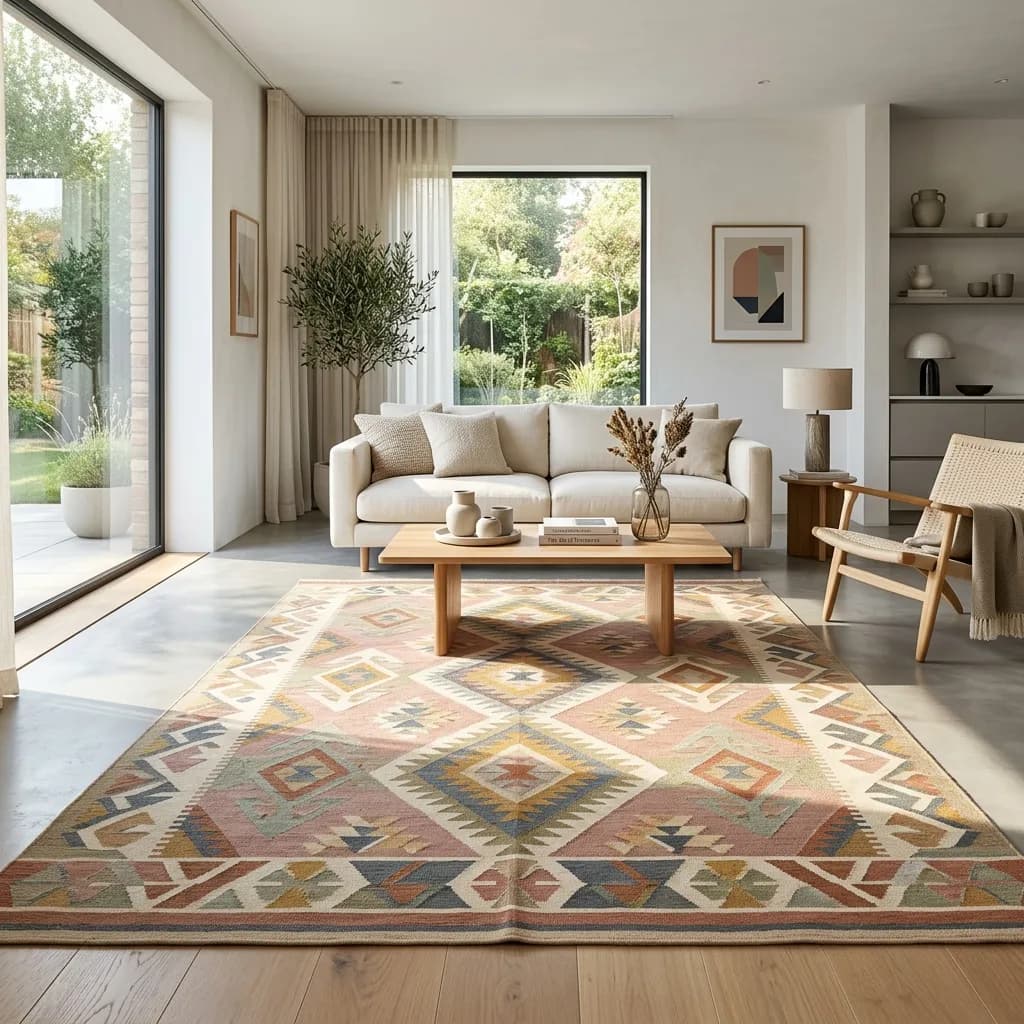
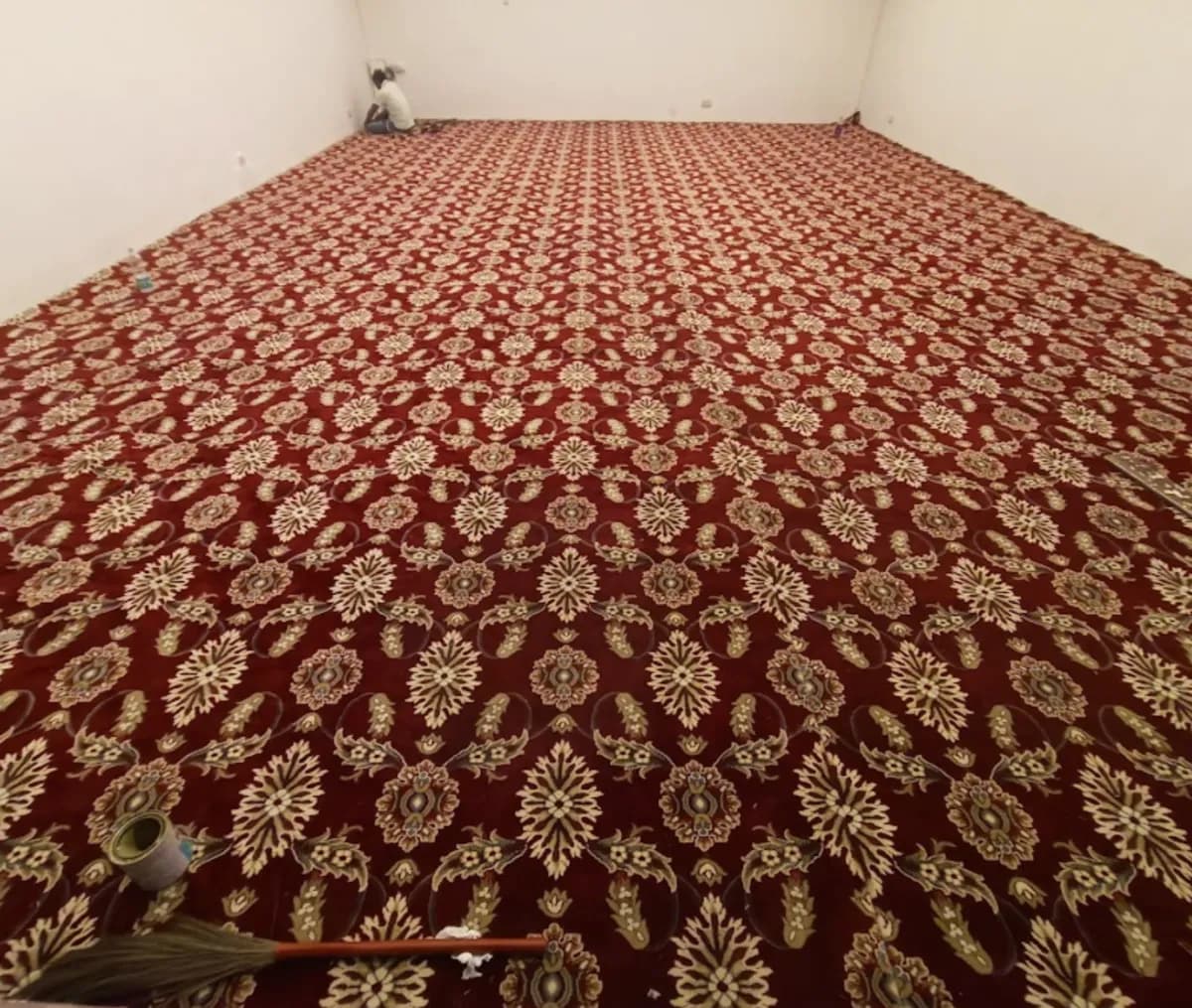
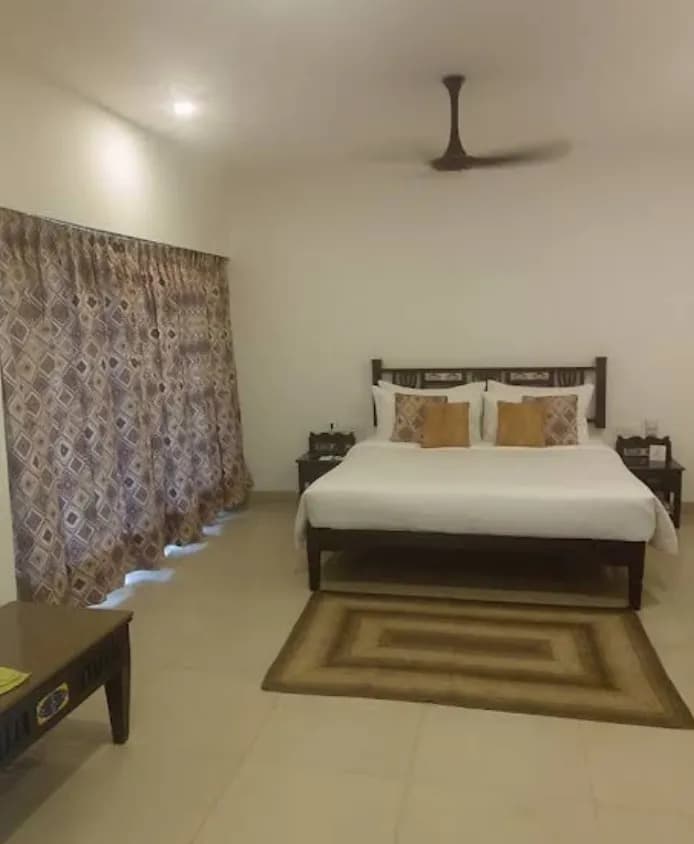
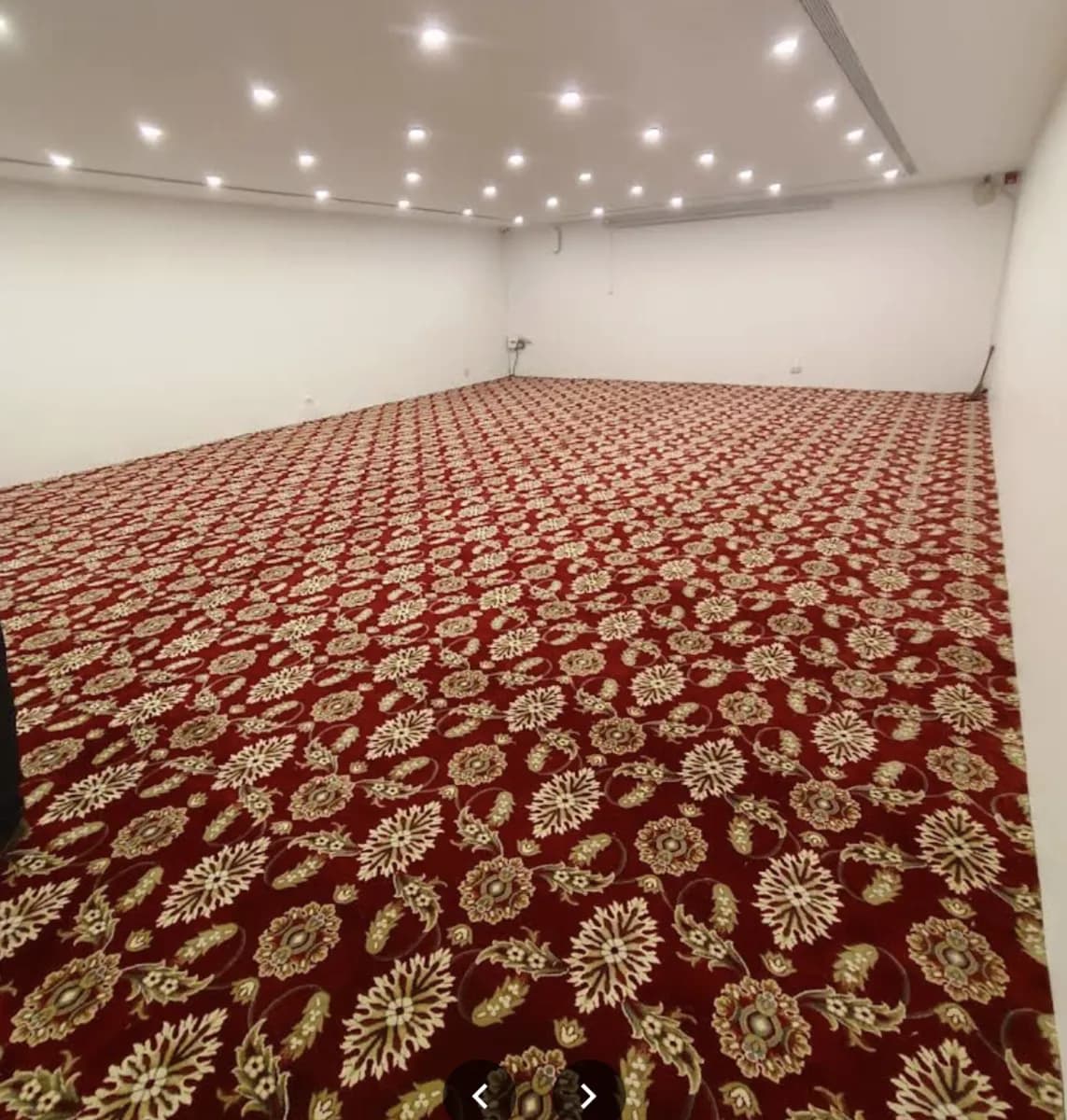
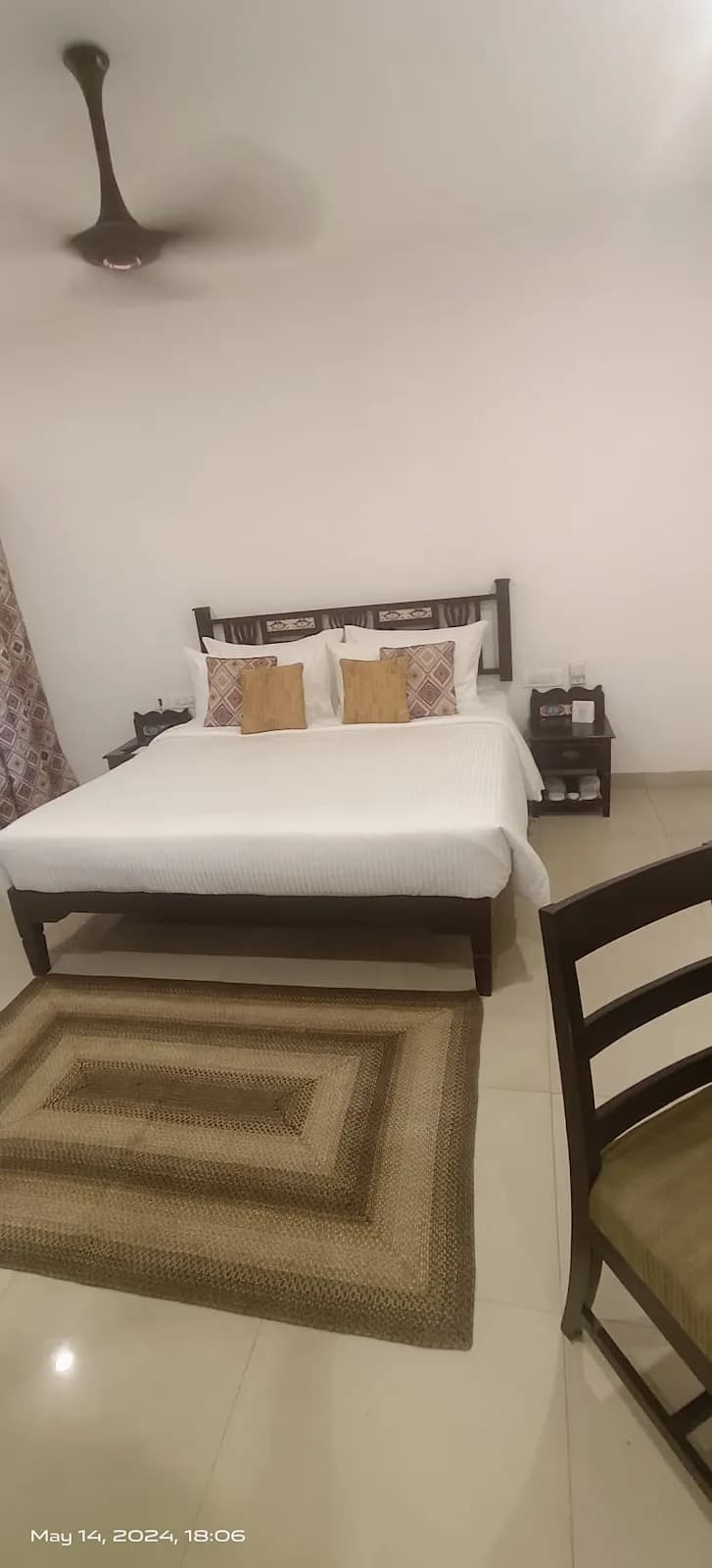
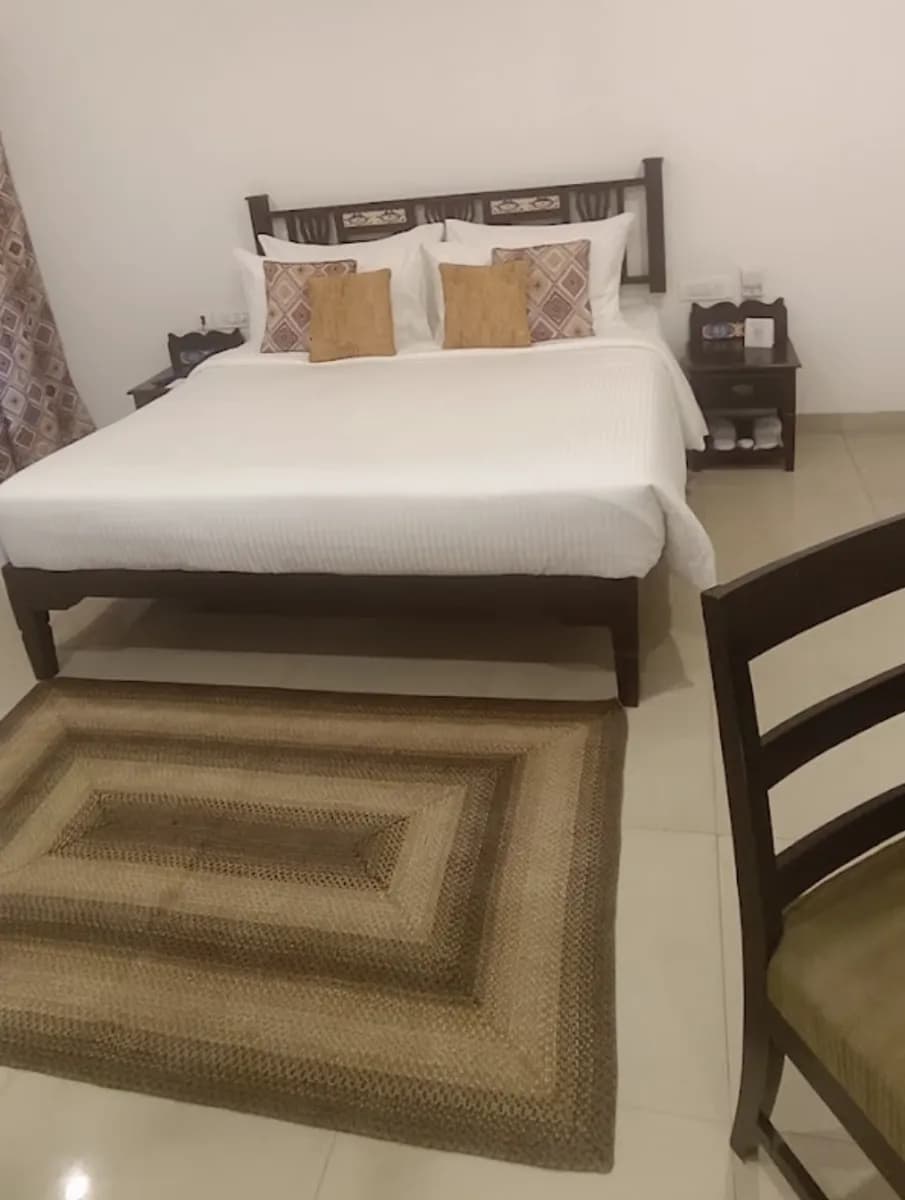
Sand is the enemy of every floor covering in Baga. It comes in on feet from the beach all day, works down into pile and cuts the fibres like fine grit paper. For hotels and guest houses that points to low-pile, machine-made synthetic rugs in dark, busy patterns: they hide sand and the odd stain until housekeeping gets to them, dry fast in the humid air between sea and creek, and can be replaced singly without fuss. Wool and jute hold moisture here and go musty. Wall-to-wall carpet is only worth laying in a sealed, air-conditioned room, such as an upper-floor suite, and never at ground level near the creek.
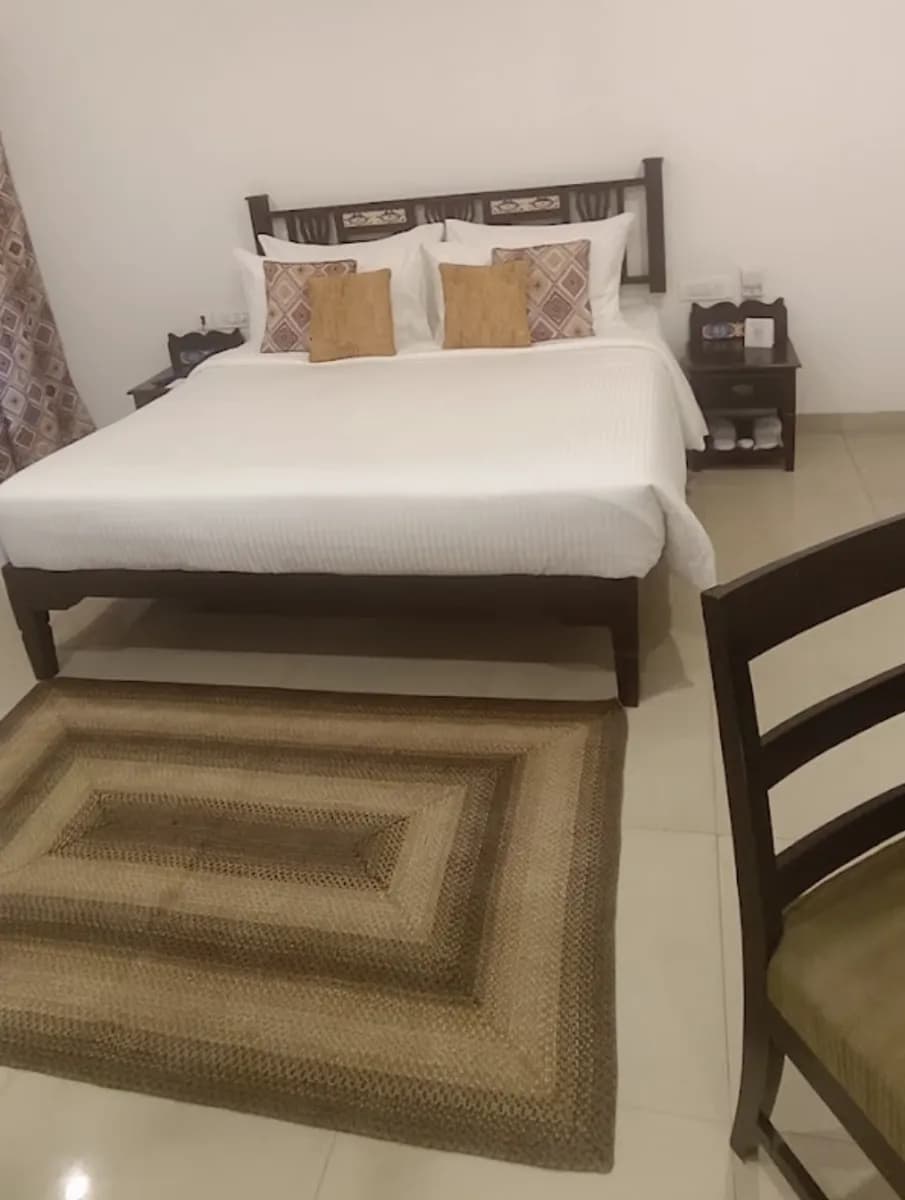
- Guest bedrooms: a dark patterned polypropylene rug beside the bed, small enough to shake out on the balcony at each changeover.
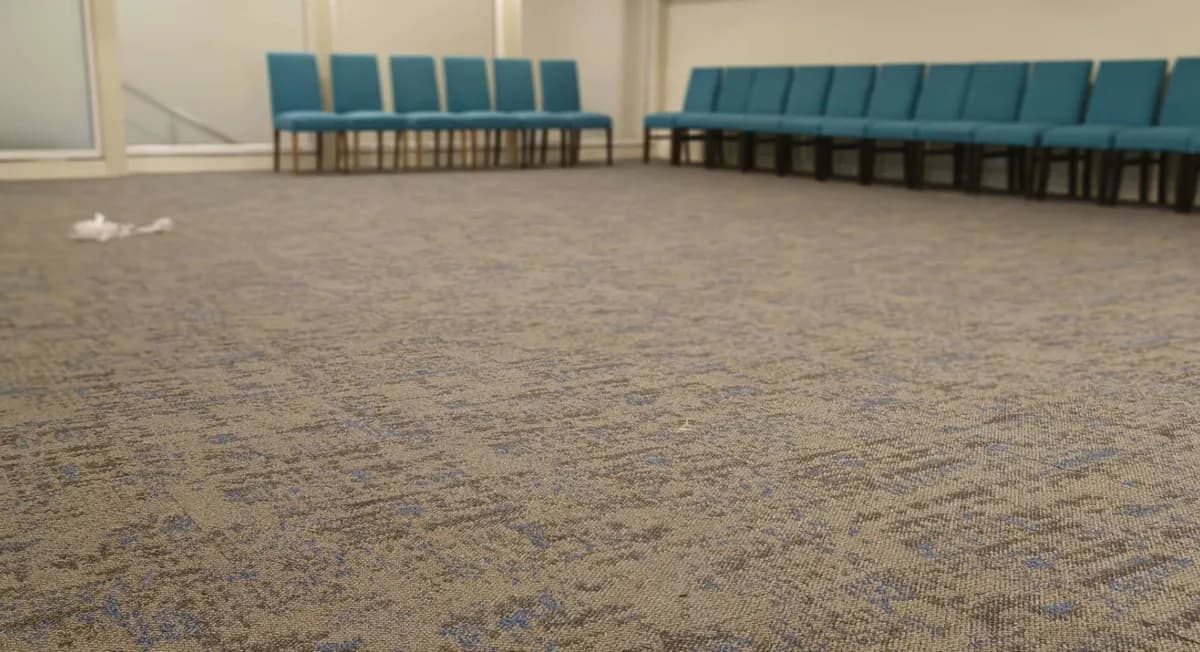
- Hotel lobbies and indoor restaurant areas: hard-wearing low-pile runners at the entrance, to catch beach sand before it travels.
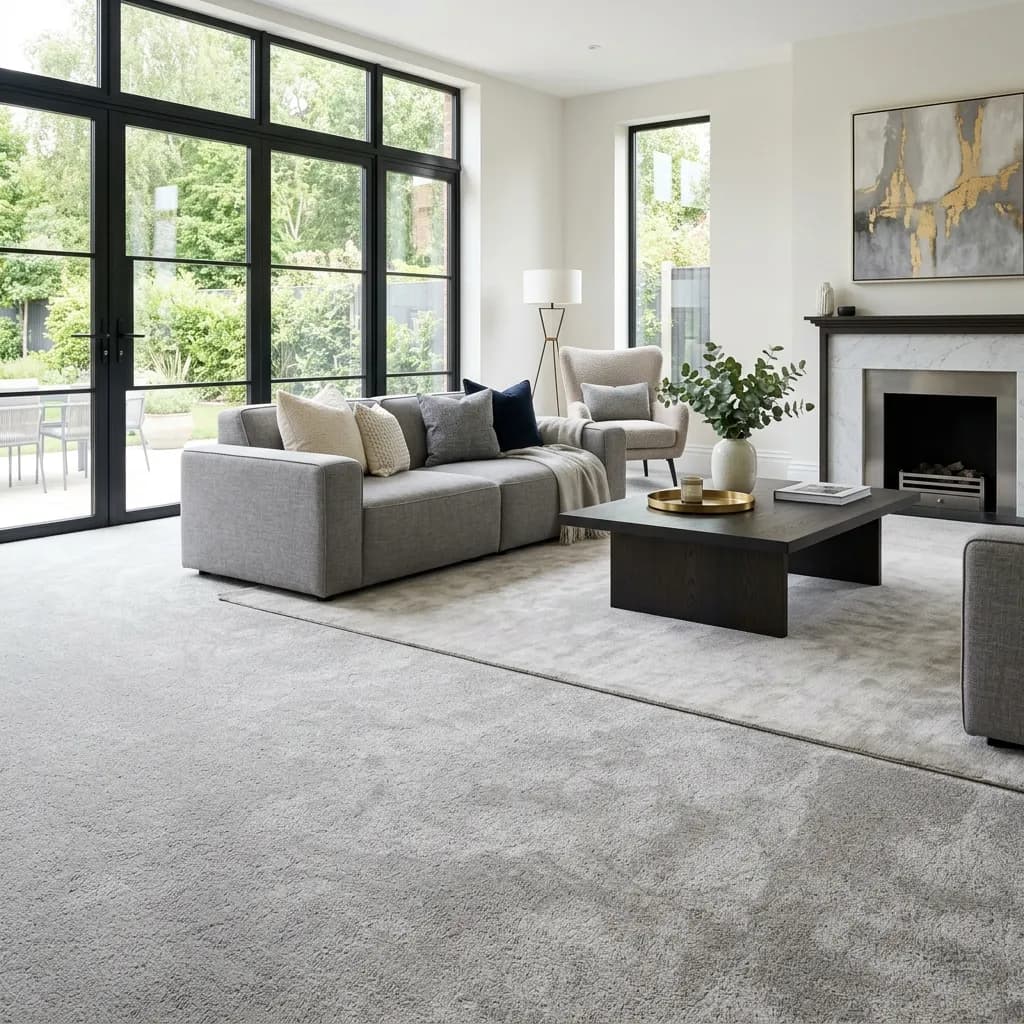
- Air-conditioned suites and club lounges: wall-to-wall synthetic carpet, where doors stay shut and the air is kept dry.
Baga is the northern end of the Calangute beach, where the Baga creek runs out to the sea below a wooded headland. It is the centre of North Goa's nightlife, crowded with beach shacks, clubs, restaurants and hotels.
Almost all demand here is commercial: hotels, guest houses, restaurants and bars. Restaurants want outdoor blinds and awnings to keep terraces open in the rain, and rooms need blackout and washable fabrics.
Baga has the sea in front and the creek behind, so it is humid, salty and breezy. Mosquitoes breed along the creek.
Sea-facing homes
Wool and jute hold moisture near the sea and can smell. Synthetic rugs in polypropylene or nylon dry quickly and resist mildew, and can be taken outside to air. Wall-to-wall carpet suits only air-conditioned rooms.
Holiday lets and guest houses
Choose dark, patterned, machine-made rugs for a let property. They hide sand and stains, cost little to replace, and can be washed between seasons.