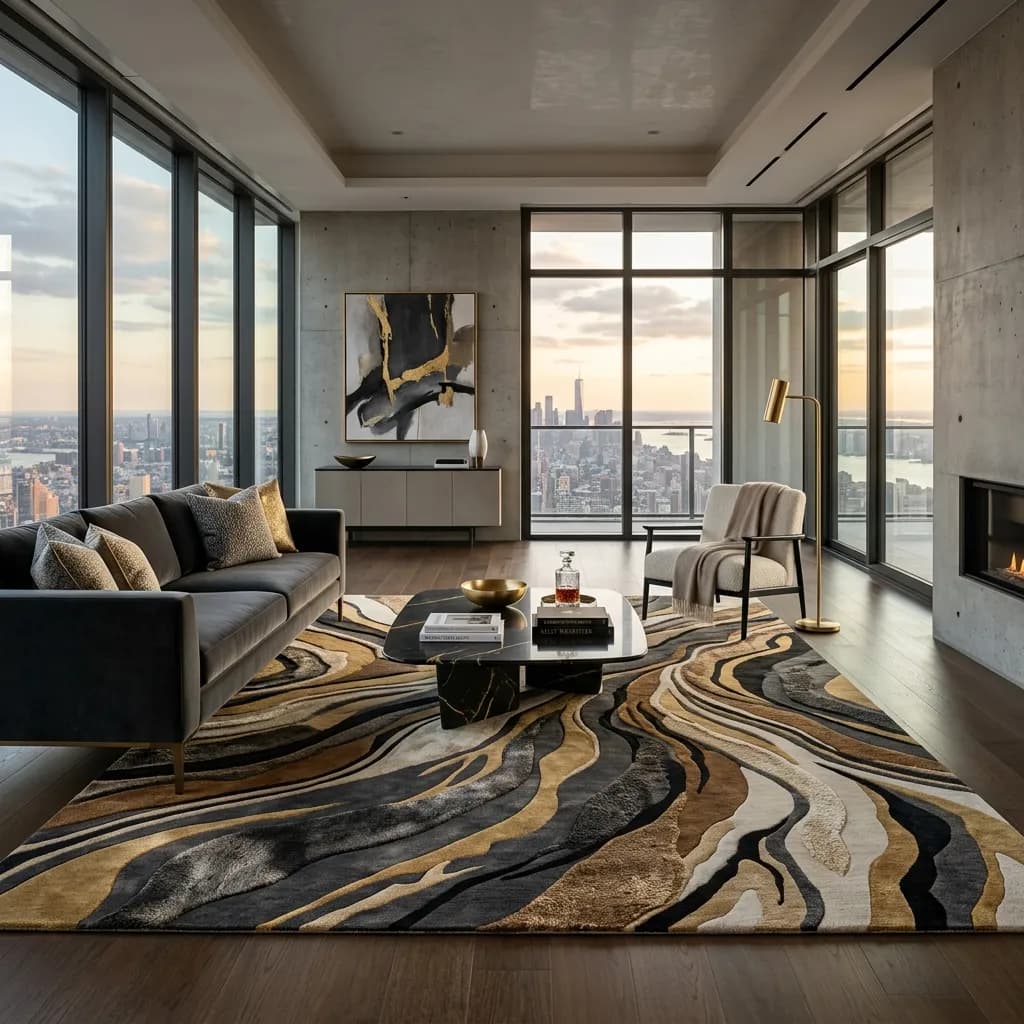
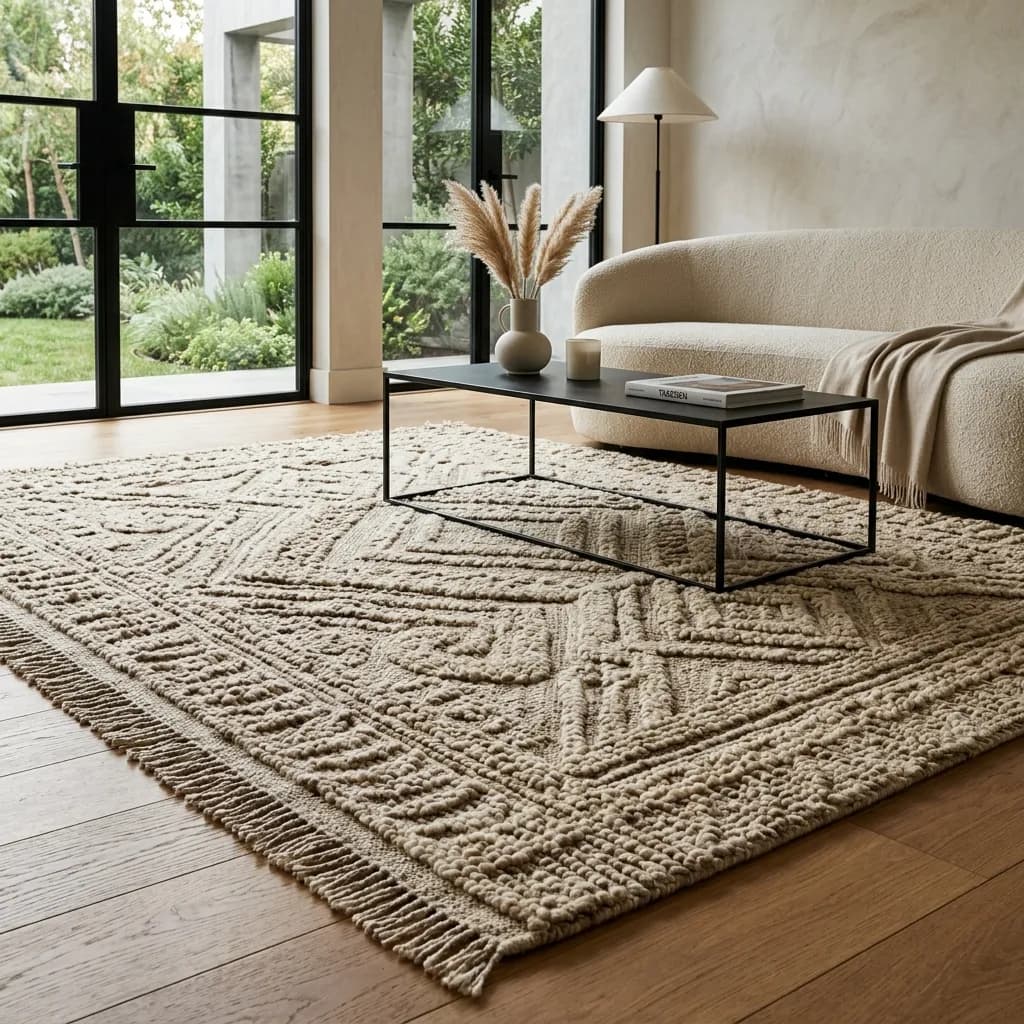
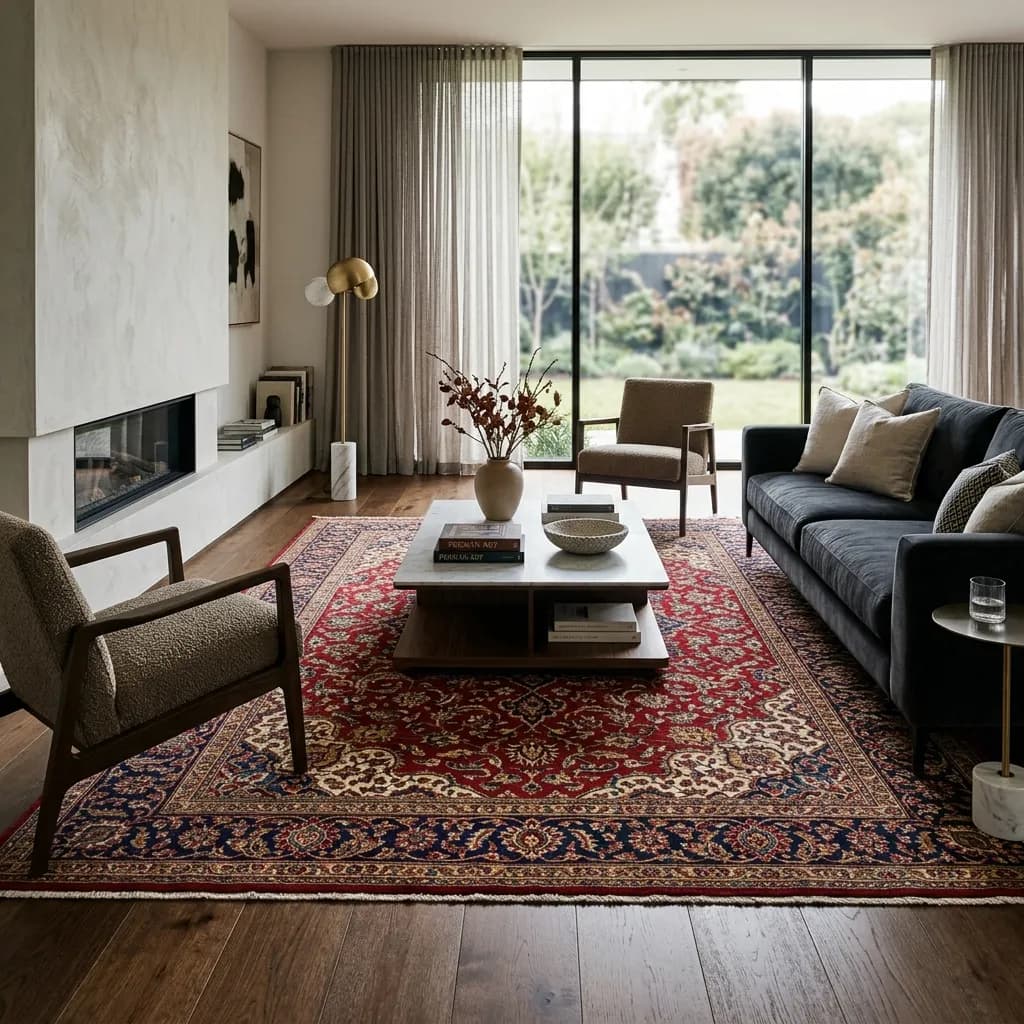
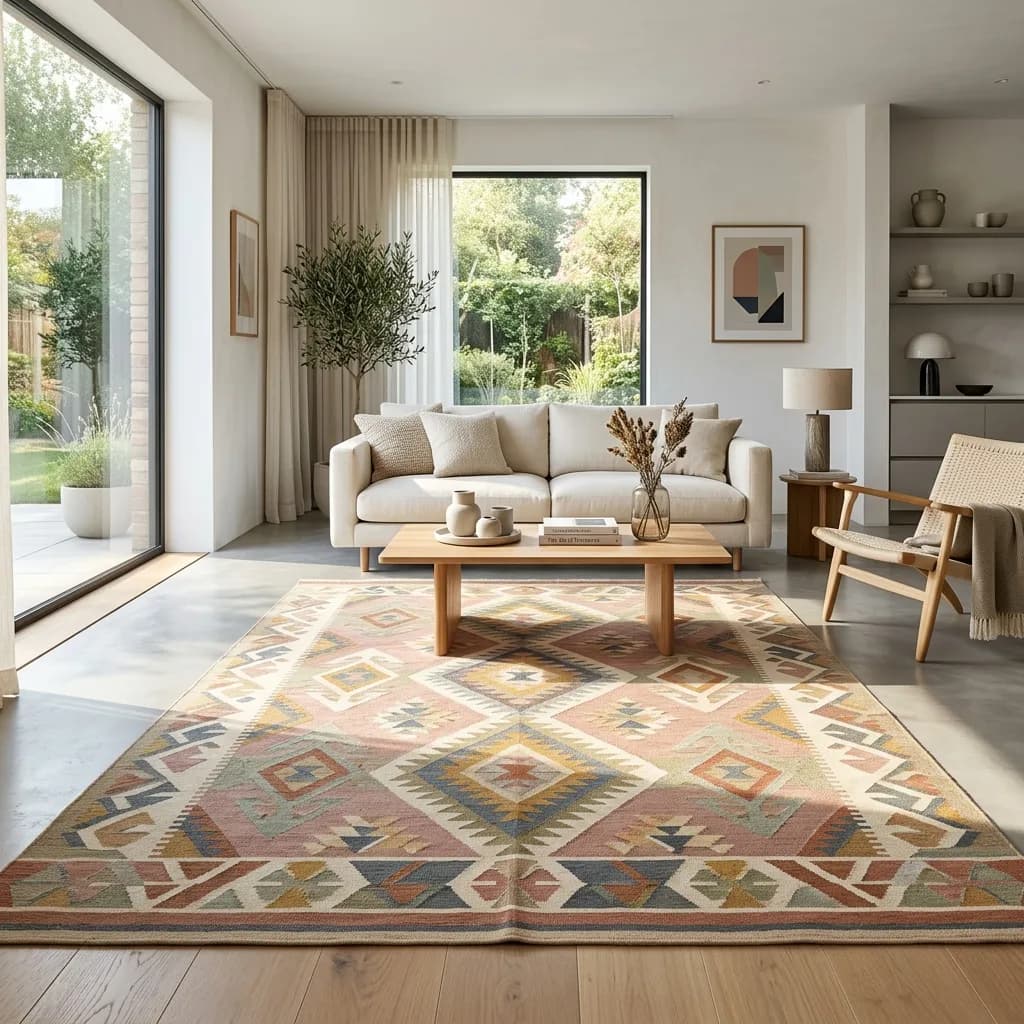
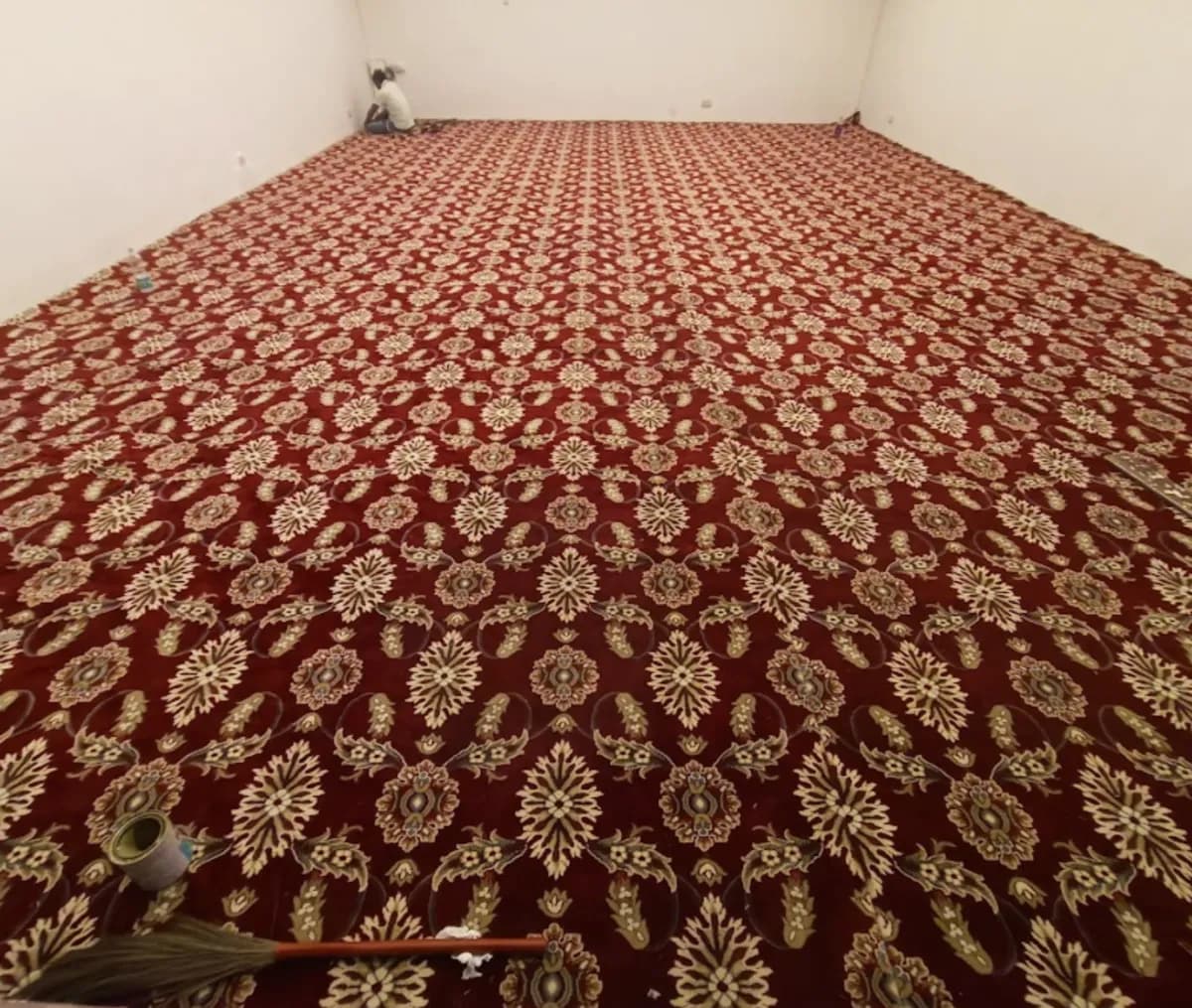
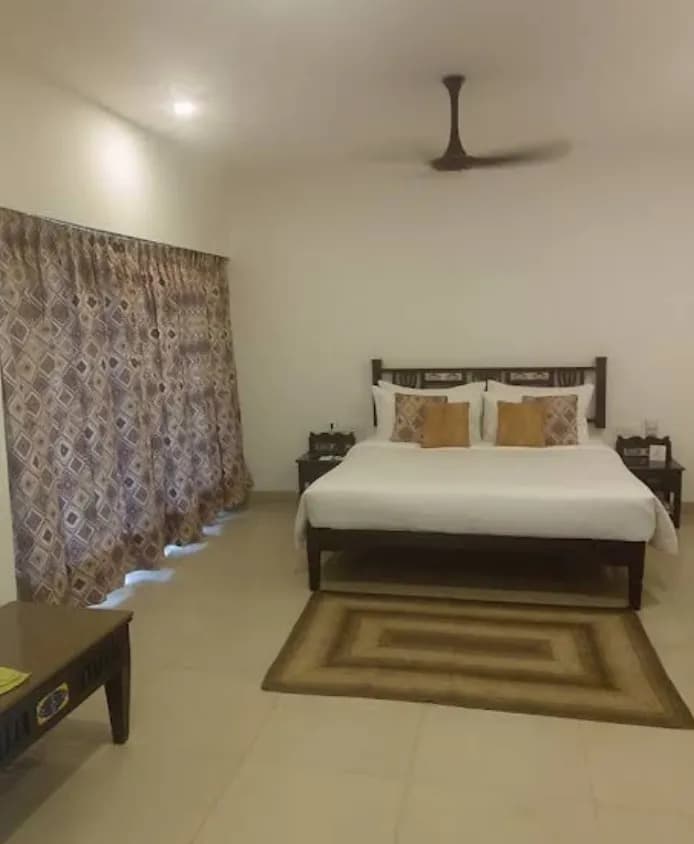
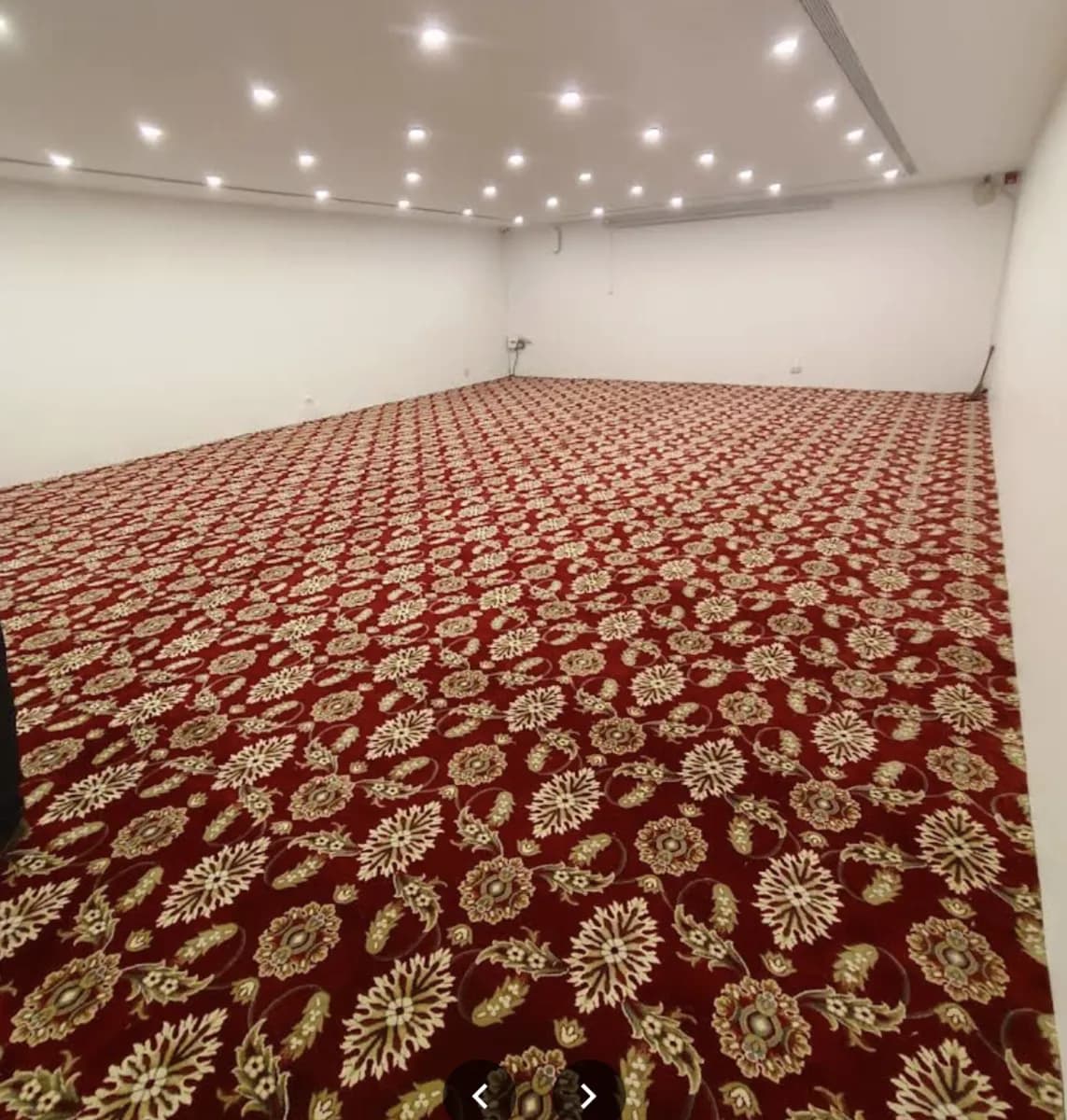
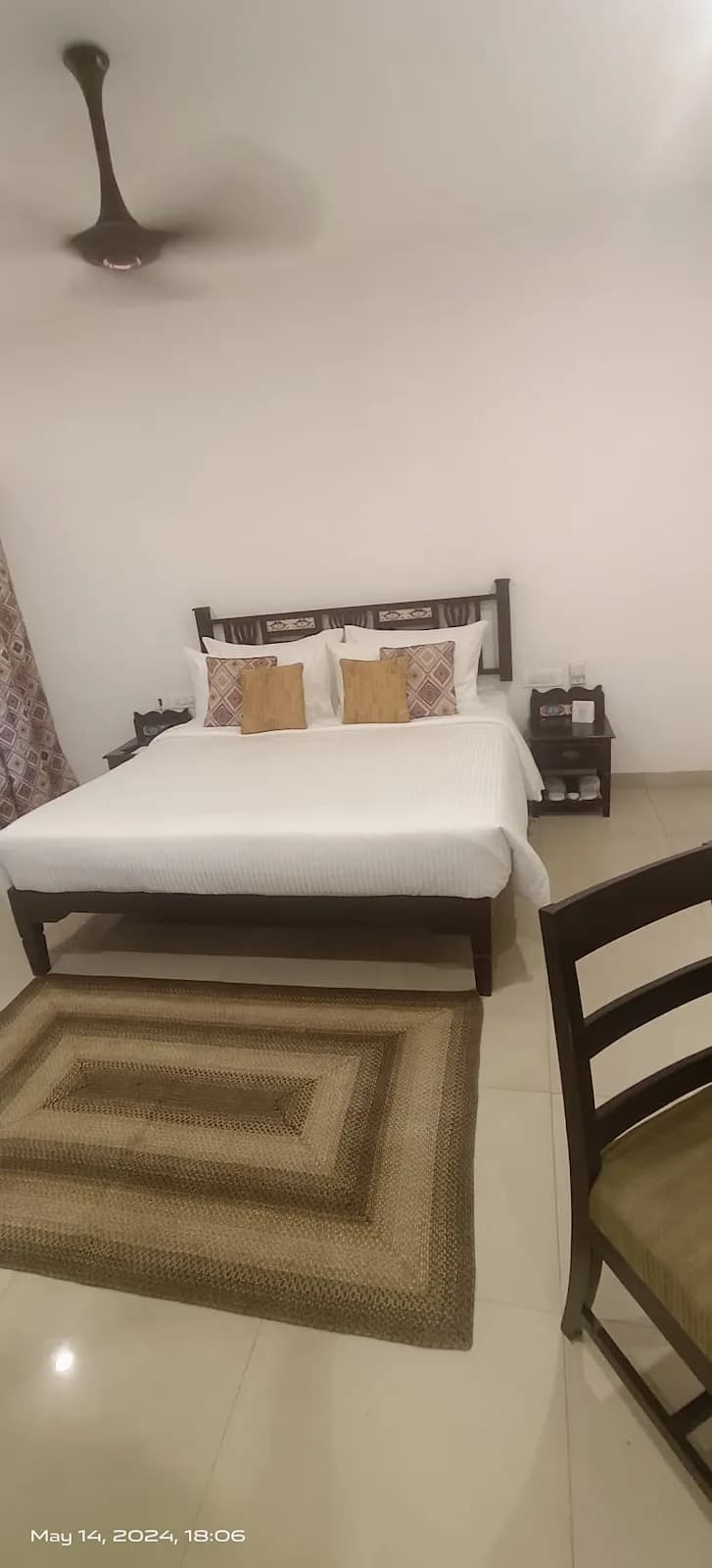
Sand is the whole story of rugs in Arambol. It comes in on every pair of feet from the beach, sifts into pile and grinds the fibres from below, so a soft deep rug is finished in a season. Buy flat or low-pile machine-made rugs in polypropylene, dark and patterned so they do not show what they hold, and low enough in cost to replace without regret. They shake out, hose down and dry in the sun. Wool and jute stay damp in this humidity and should be passed over. Wall-to-wall carpet has no place in a beach village. When rooms close for the monsoon, roll rugs up dry and store them off the floor.
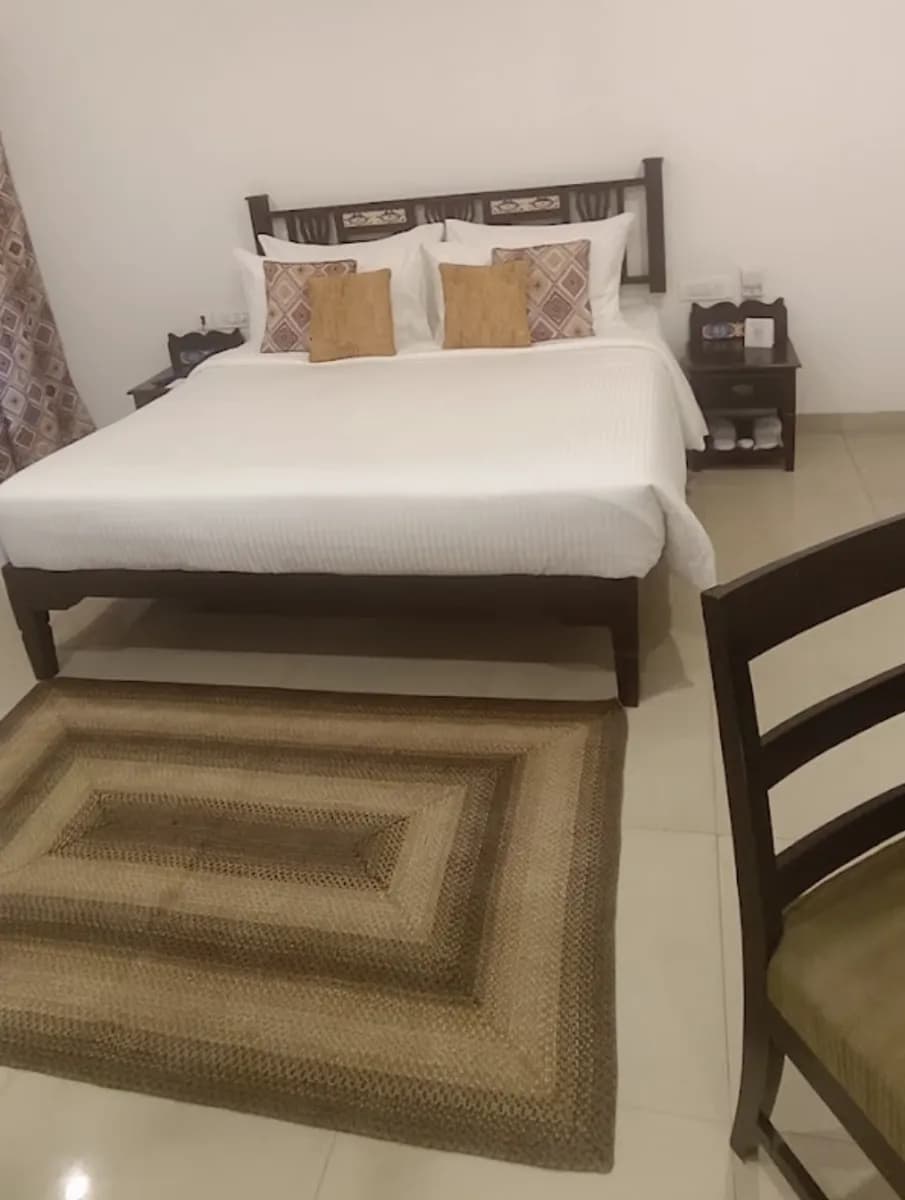
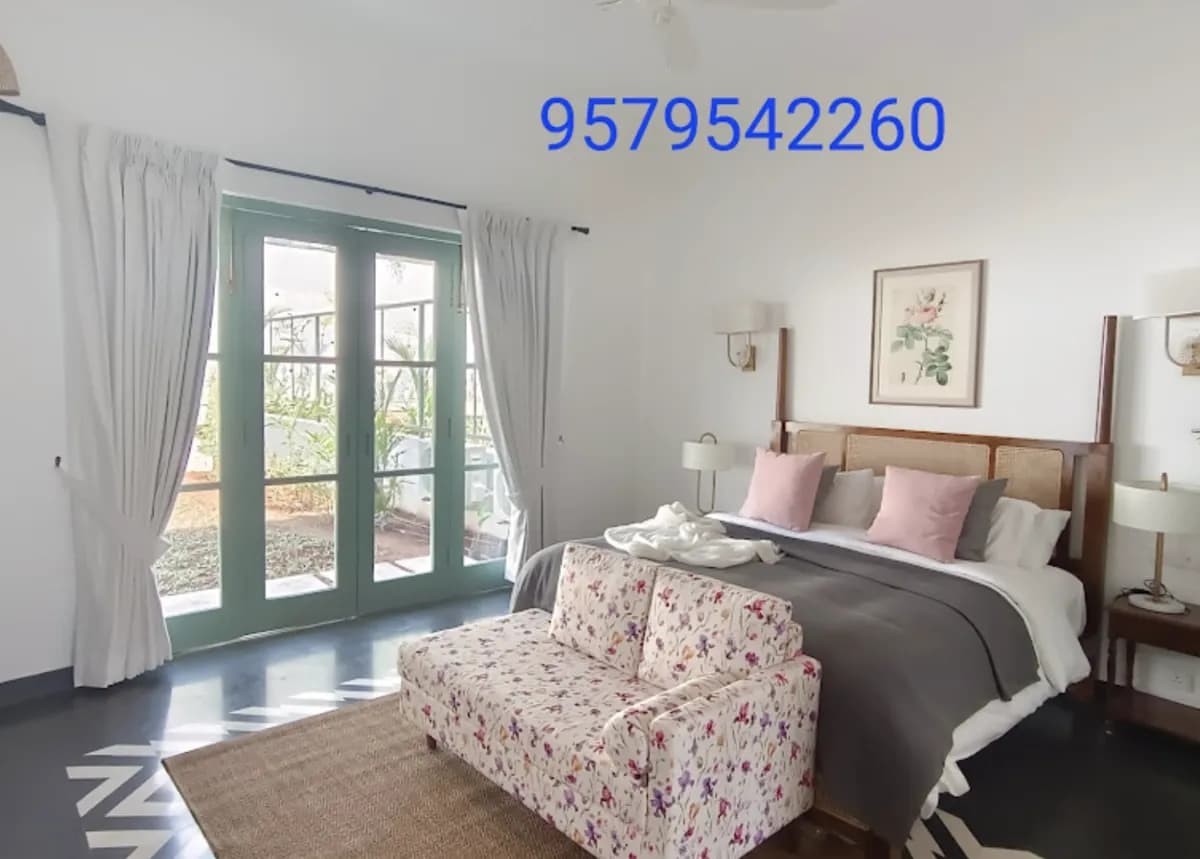
- Guest-house rooms: one dark patterned polypropylene rug by the bed, shaken out between guests and washed at season's end.
- Entrances and verandas: a coarse mat to knock sand off feet before it reaches the room's rug.
- Workshop spaces and cafes: large flat-woven synthetic rugs that can be dragged outside, hosed and left to dry in the sun.
Arambol is the northernmost of the well-known Goa beaches, in Pernem. It is a long beach with a fishing village behind it, a freshwater lake beyond the northern headland, and a busy traveller scene of guest houses, cafes and workshops.
Accommodation is mainly budget and mid-range: guest houses, rooms in family homes and seasonal huts. Owners need low-cost, hard-wearing furnishing in quantity.
The beach is open to the sea and very humid. The monsoon shuts most of the village down, and salt and sand wear everything quickly.
Sea-facing homes
Wool and jute hold moisture near the sea and can smell. Synthetic rugs in polypropylene or nylon dry quickly and resist mildew, and can be taken outside to air. Wall-to-wall carpet suits only air-conditioned rooms.
Holiday lets and guest houses
Choose dark, patterned, machine-made rugs for a let property. They hide sand and stains, cost little to replace, and can be washed between seasons.
Visiting Arambol
Arambol is about a hundred minutes from the showroom, the furthest we travel in North Goa. We measure free of charge, on a day planned for Pernem.