Bedrooms in Fatorda are dry, which is good news for anyone who wants a fabric headboard. Linen blends and velvets that would hold damp in a beach village stay fresh here, and button-tufted or panelled designs can be chosen on looks alone. The limits are space and dust. In a flat, hanging the board on the wall steals fewer centimetres than a bedstead with one attached, and it may overshoot the mattress at both ends to hold a lamp or a ledge. Upholstery collects whatever dust the road sends in, so pick a cloth that stands regular vacuuming. In the independent houses, bigger bedrooms can take a wingback or a full-wall panel.
- Bedrooms in the apartment buildings: a panelled board hung on the wall and run beyond the mattress, its two ledges doing the job of side tables.
- Main bedrooms of houses with a terrace: a tall velvet headboard, buttoned or winged, placed away from the wall that takes afternoon sun.
- Row-house rooms for children or guests: a plain upholstered shape in a close linen-blend weave that vacuums clean and re-covers easily later.
Fatorda is the north-eastern part of Margao, built up around the Jawaharlal Nehru Stadium and the sports complex. It is one of the newer and better planned residential areas of the town, with wide roads, housing colonies, row houses and many apartment buildings.
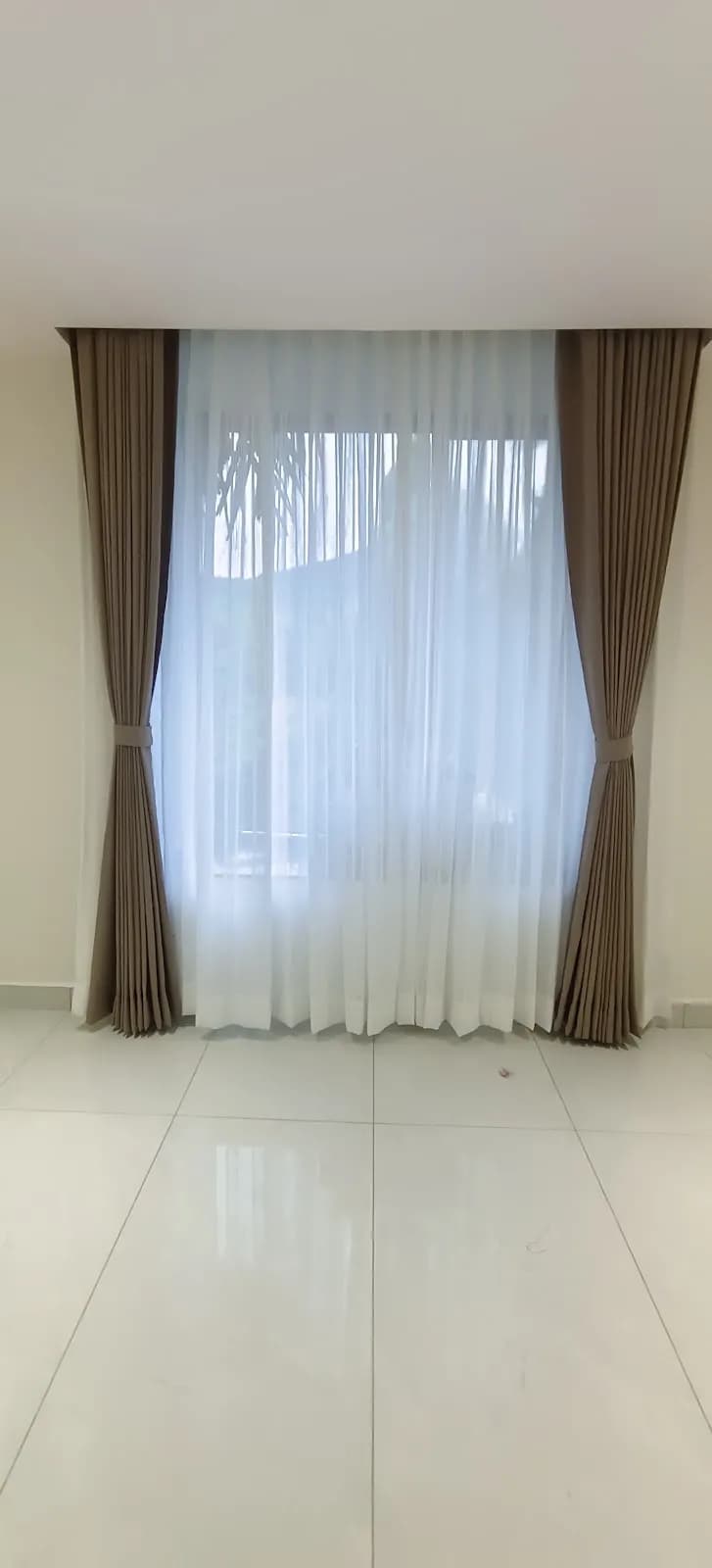
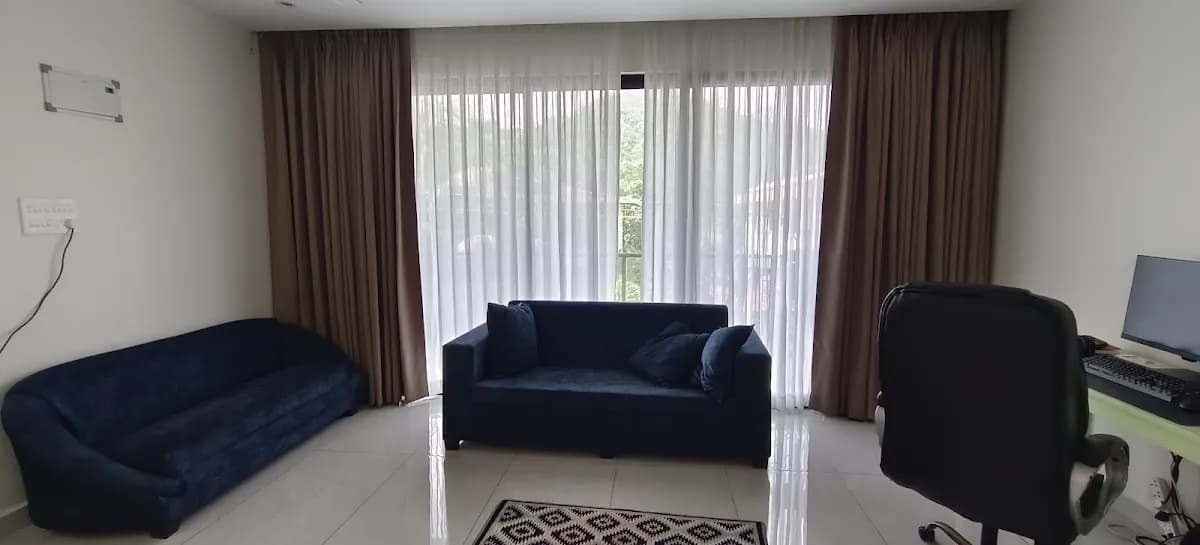
Fatorda homes are mostly modern: flats with large living-room windows and sliding balcony doors, and independent houses with a car porch and terrace. Sliding doors suit sheer and blackout curtains on a double track, and terraces are often fitted with awnings or outdoor blinds.
Fatorda is inland and open, so rooms are bright and warm. East and west-facing glass takes direct sun for hours, and heat is the main thing window coverings have to deal with here. Monsoon rain blows onto open balconies.
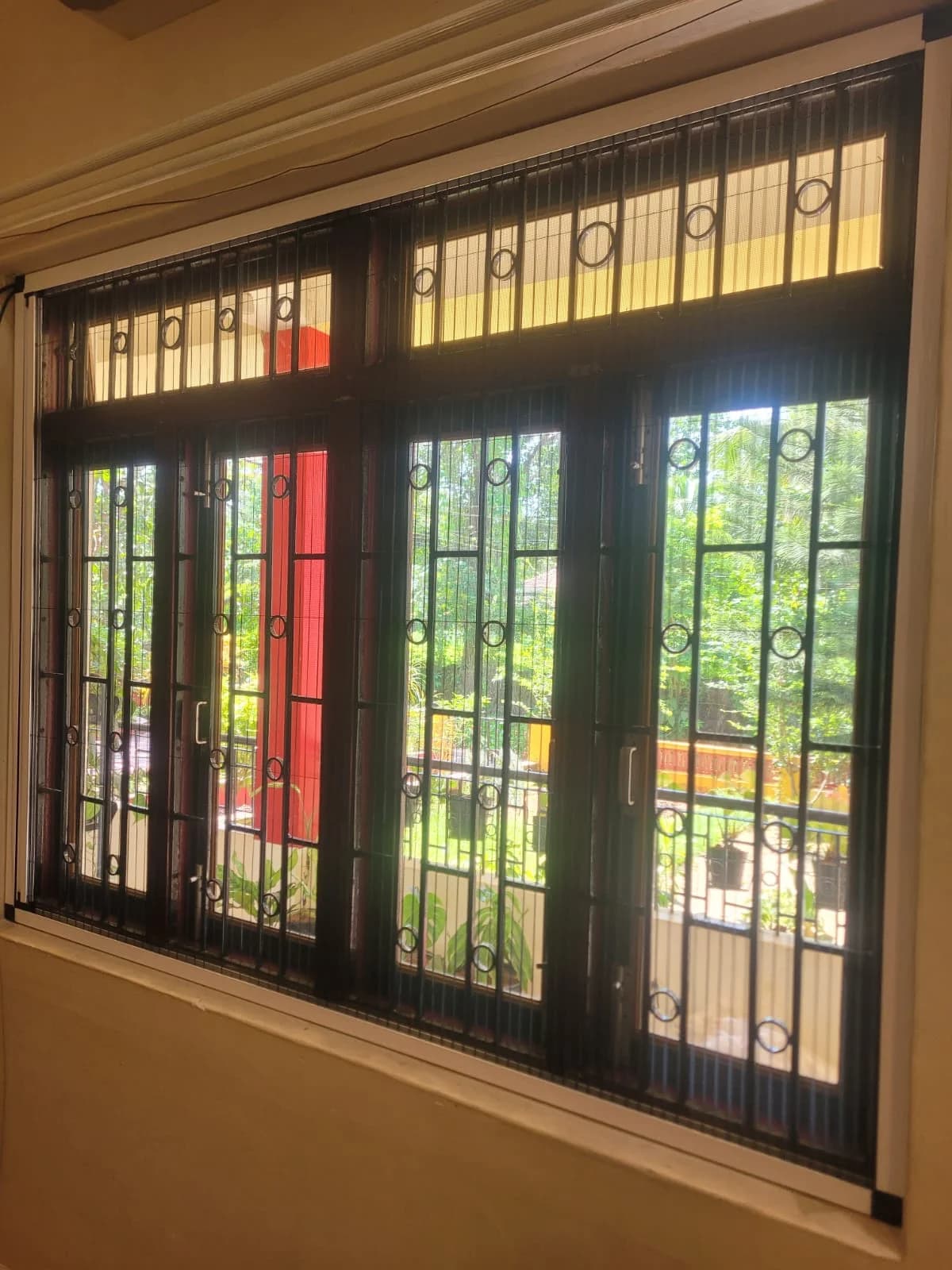 sliding-nets