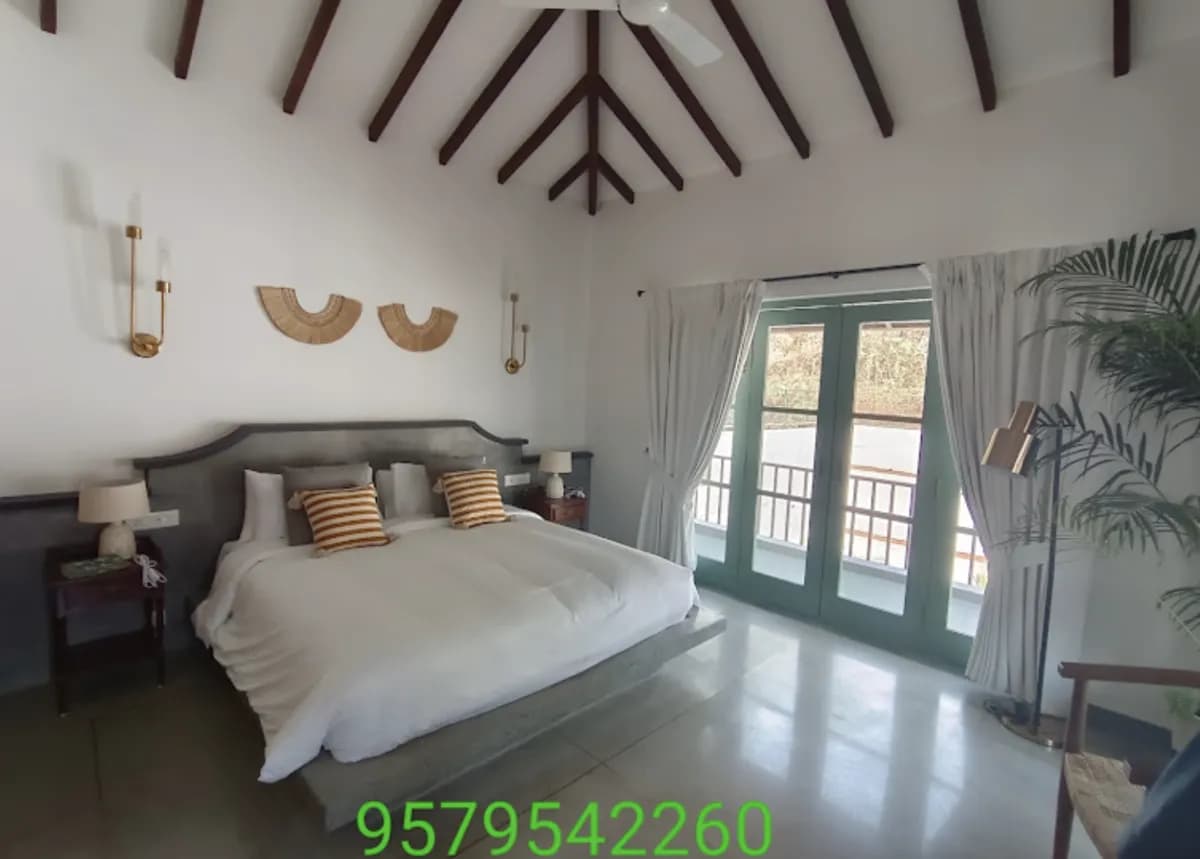
Beds in Assagao come in two sorts. In the old family houses there are carved wooden beds that no one should cut or drill, and for these an upholstered panel is made to slot inside the existing frame, held without altering the timber. In the villas the headboard is part of the designer's scheme: often a full-wall panel in fabric or leather, with lamps, switches and plug points recessed in it, so the electrician must fix their positions before making starts. One local caution applies to both. Walls under heavy tree cover hold moisture through the monsoon, old lime walls most of all, so hang a wall-fixed headboard on battens that leave an air gap behind the padding.
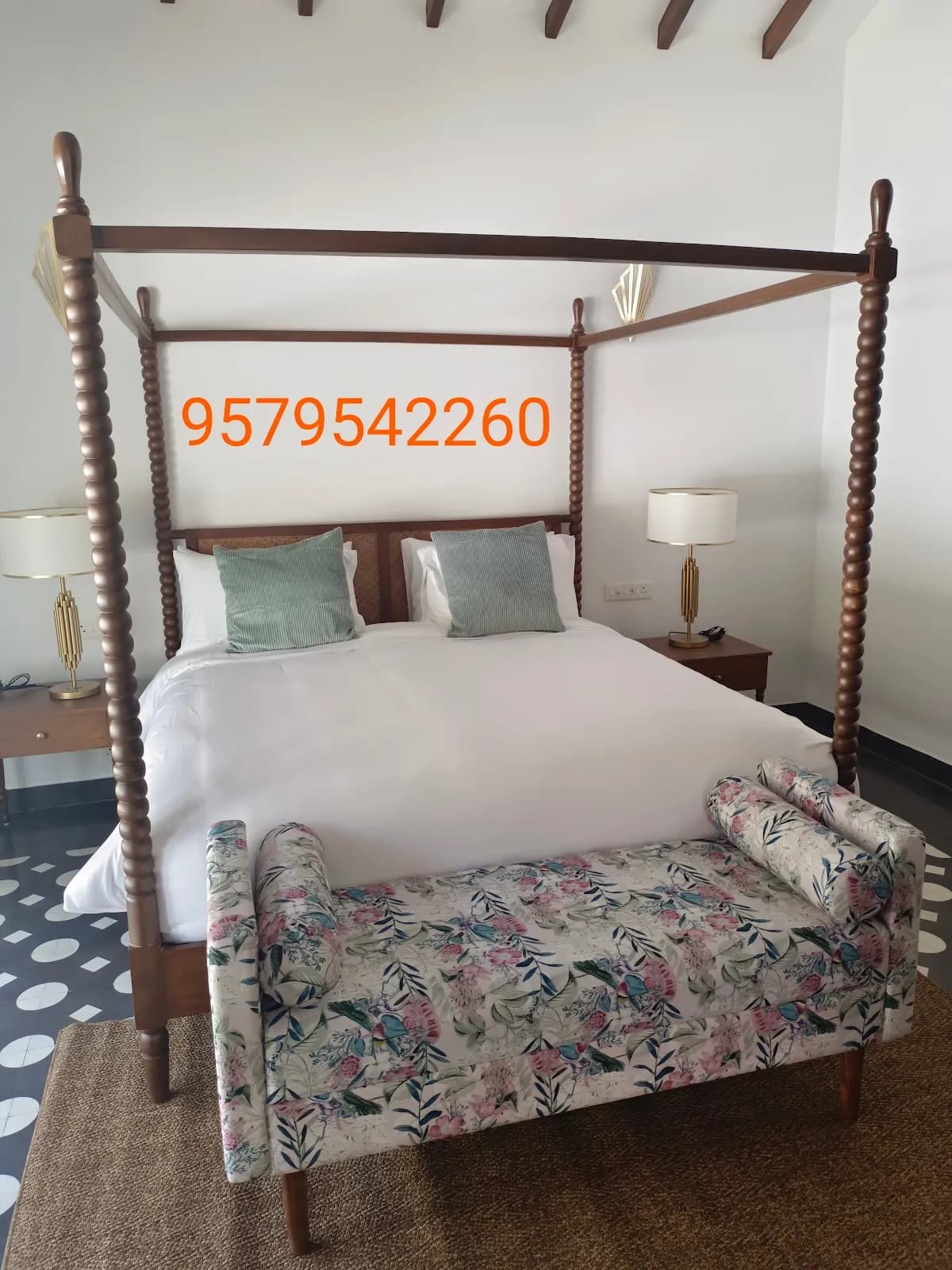
- Old carved beds in restored houses: a slim upholstered insert fitted within the frame, in a linen blend, with the woodwork untouched.
- Villa master suites: panelling across the whole bed wall with lighting built in, made to the designer's drawing and chosen fabric.
- Guest bedrooms in houses let as stays: a wingback or simple panel in wipeable leatherette, spaced off the wall.
Assagao is a village on the wooded slopes between Mapusa and Anjuna. Once known for its flowers and its old family houses, it has become the most fashionable address in North Goa, with restored mansions, designer villas, restaurants and boutiques along its lanes.
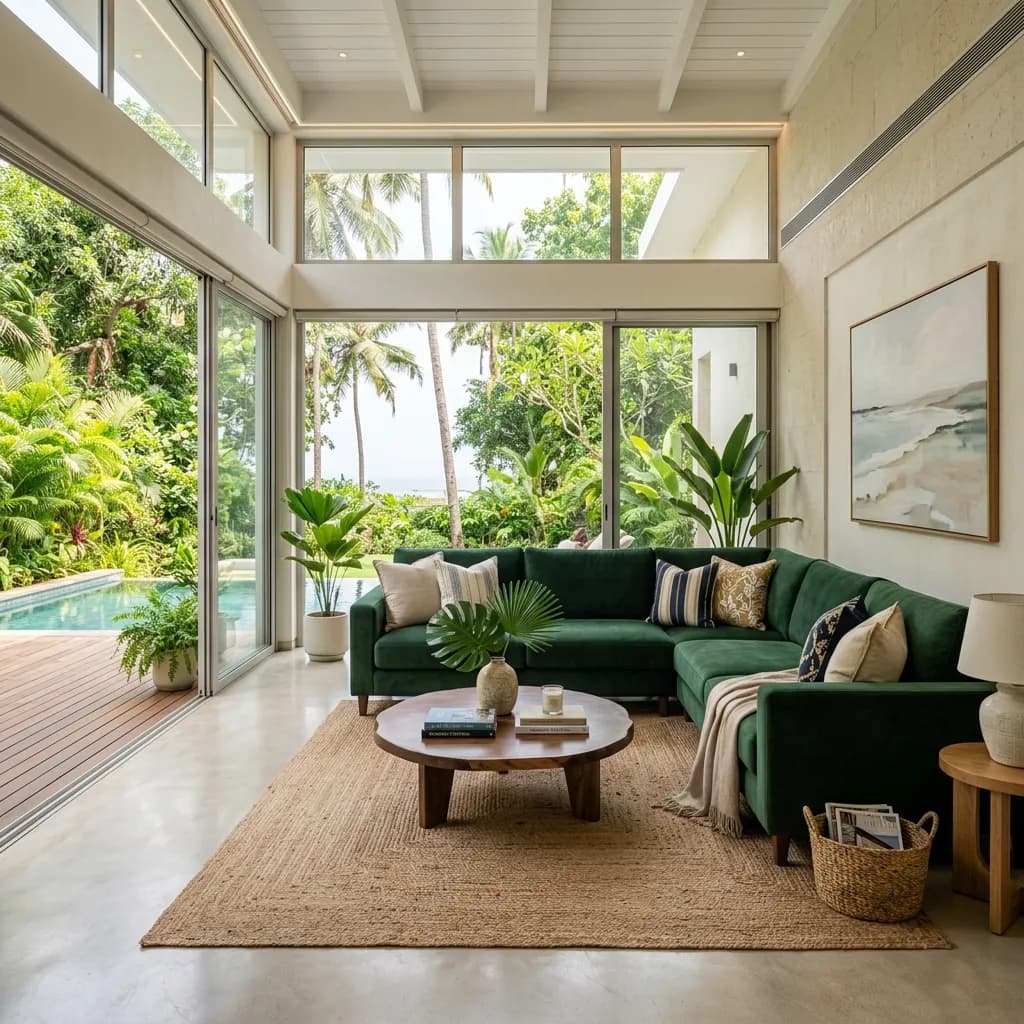
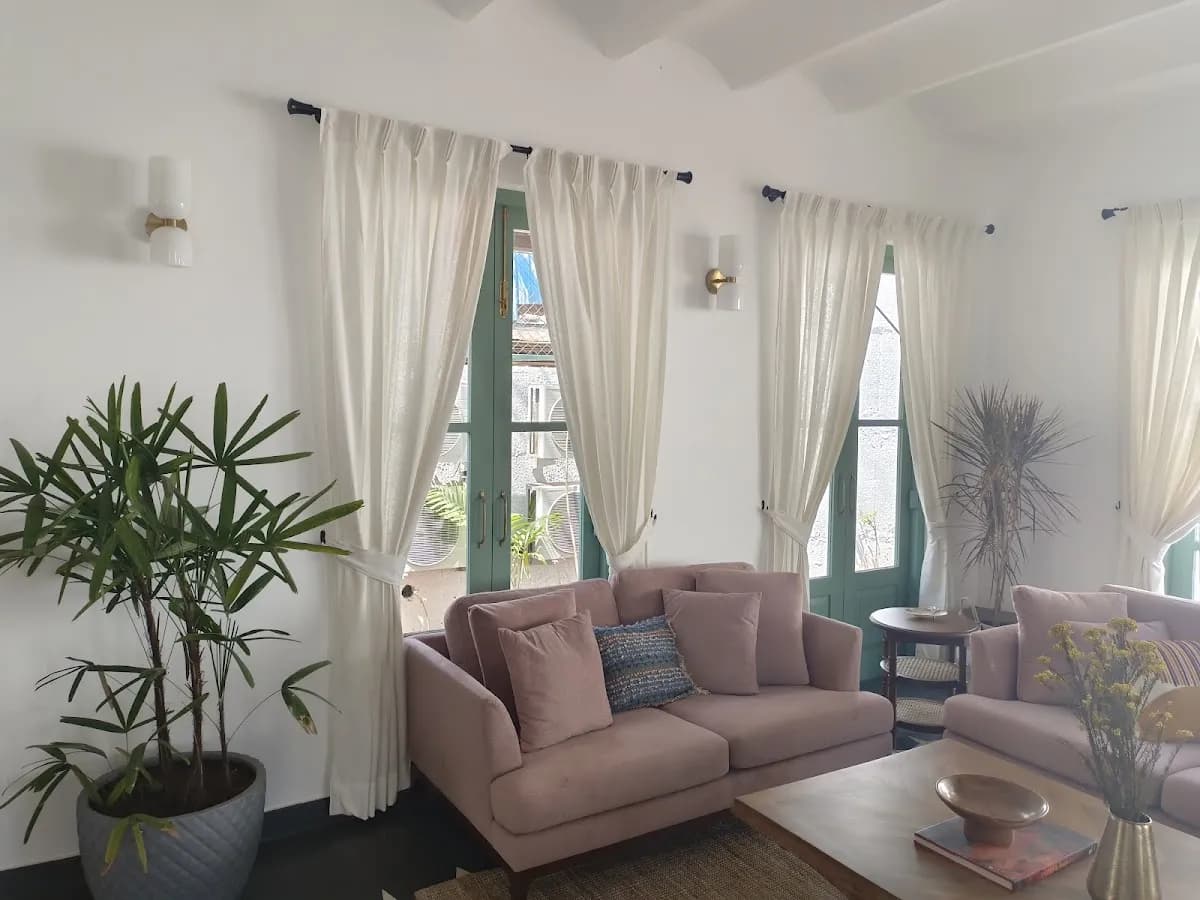
Assagao has two kinds of house: large Indo-Portuguese homes that have been carefully restored, and new villas built with pools, double-height living rooms and glass walls. Both are furnished to a high standard, often with an interior designer involved, and many are let as luxury stays.
The village is a few kilometres from the sea, so salt is mild. It is heavily wooded, which keeps houses cool but damp in the monsoon, and old walls hold moisture.
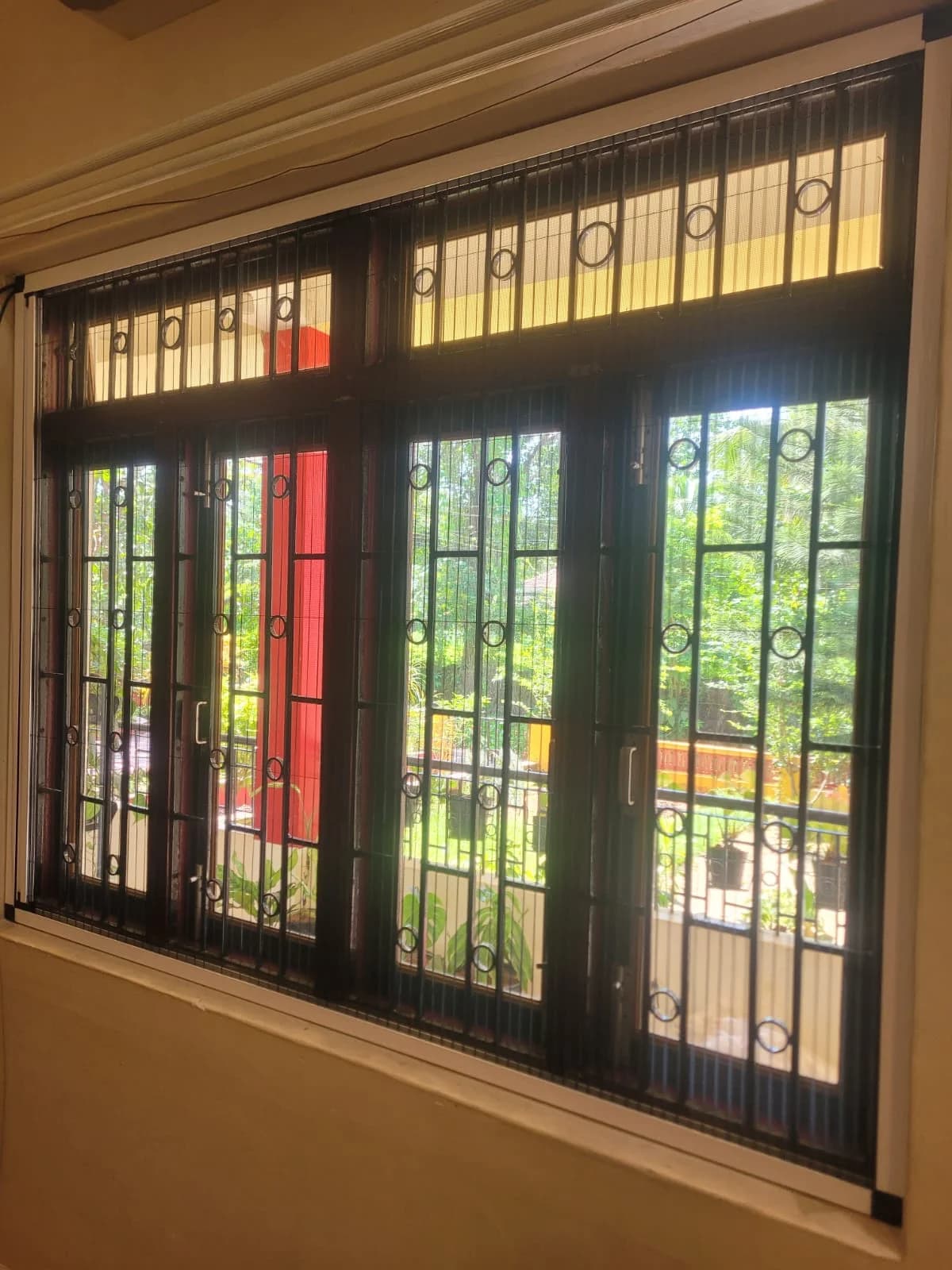 sliding-nets