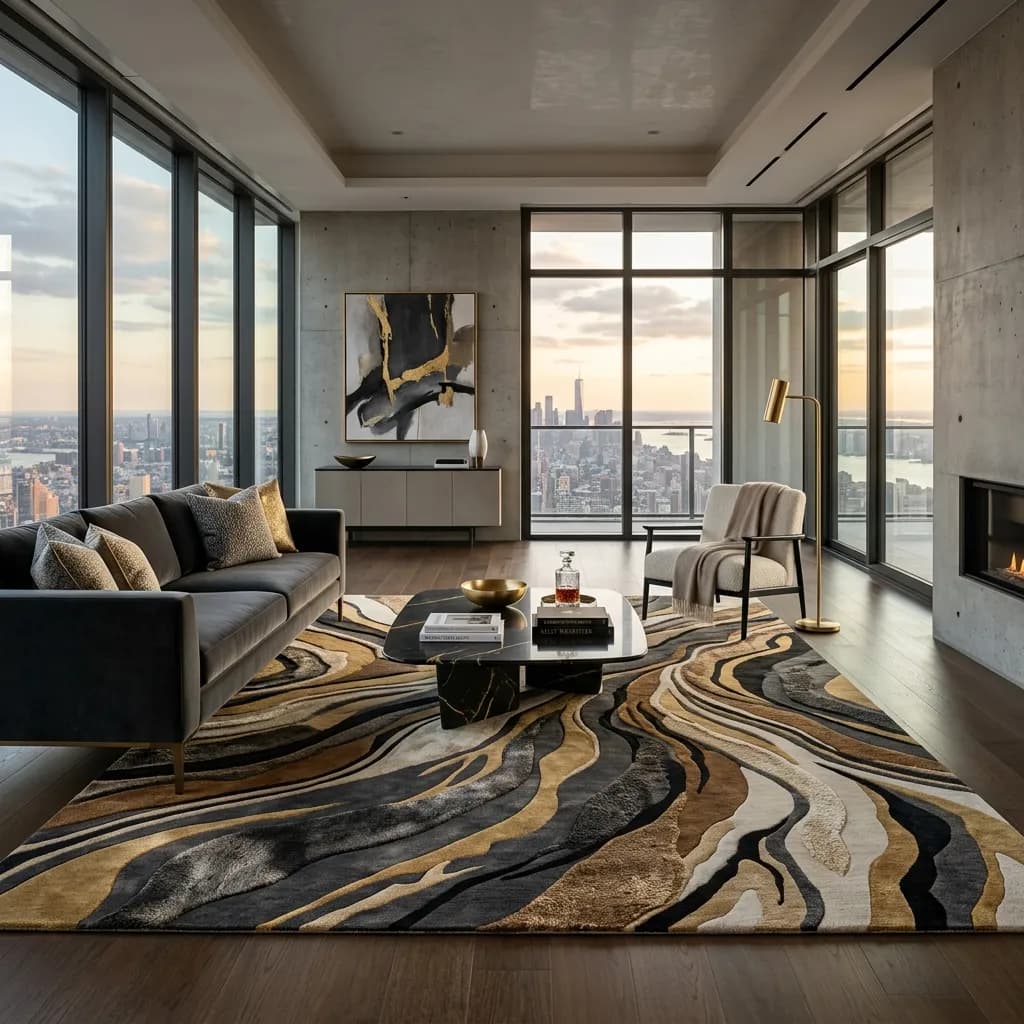
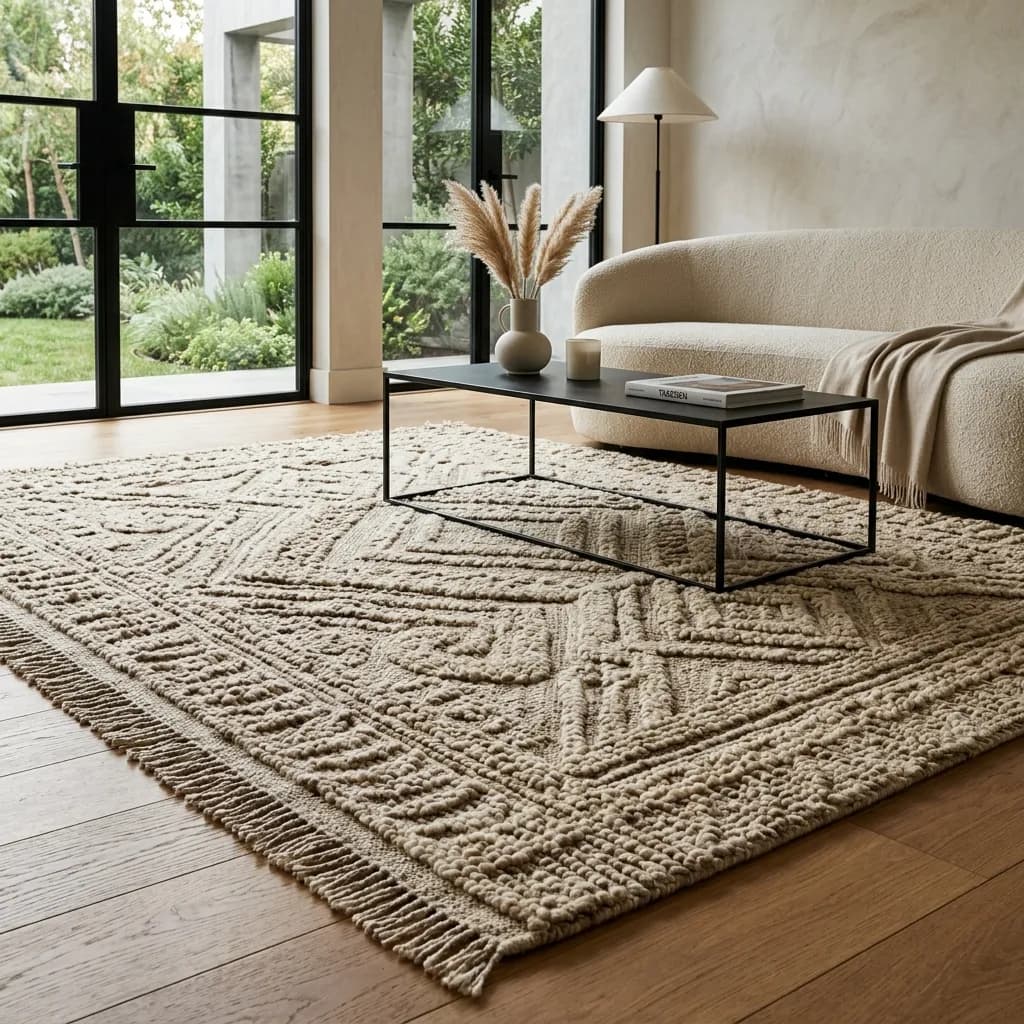
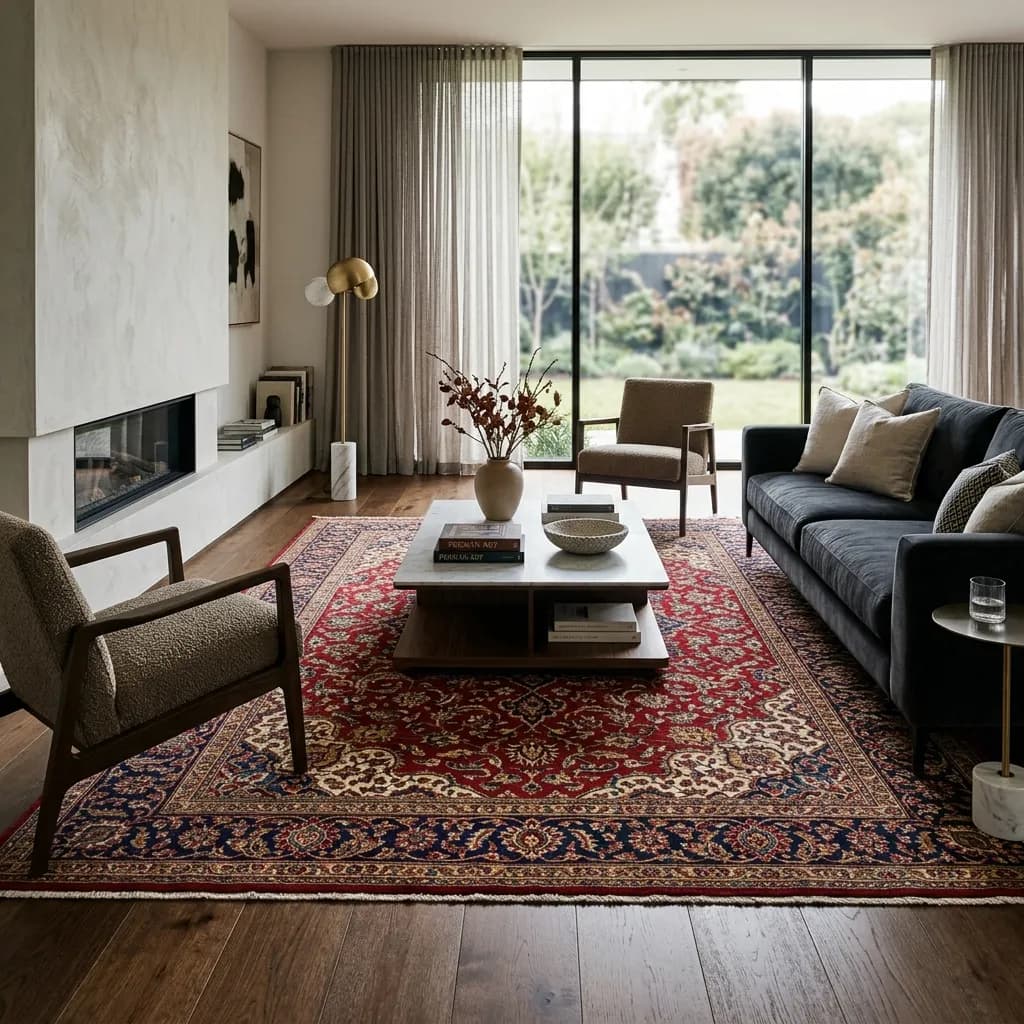
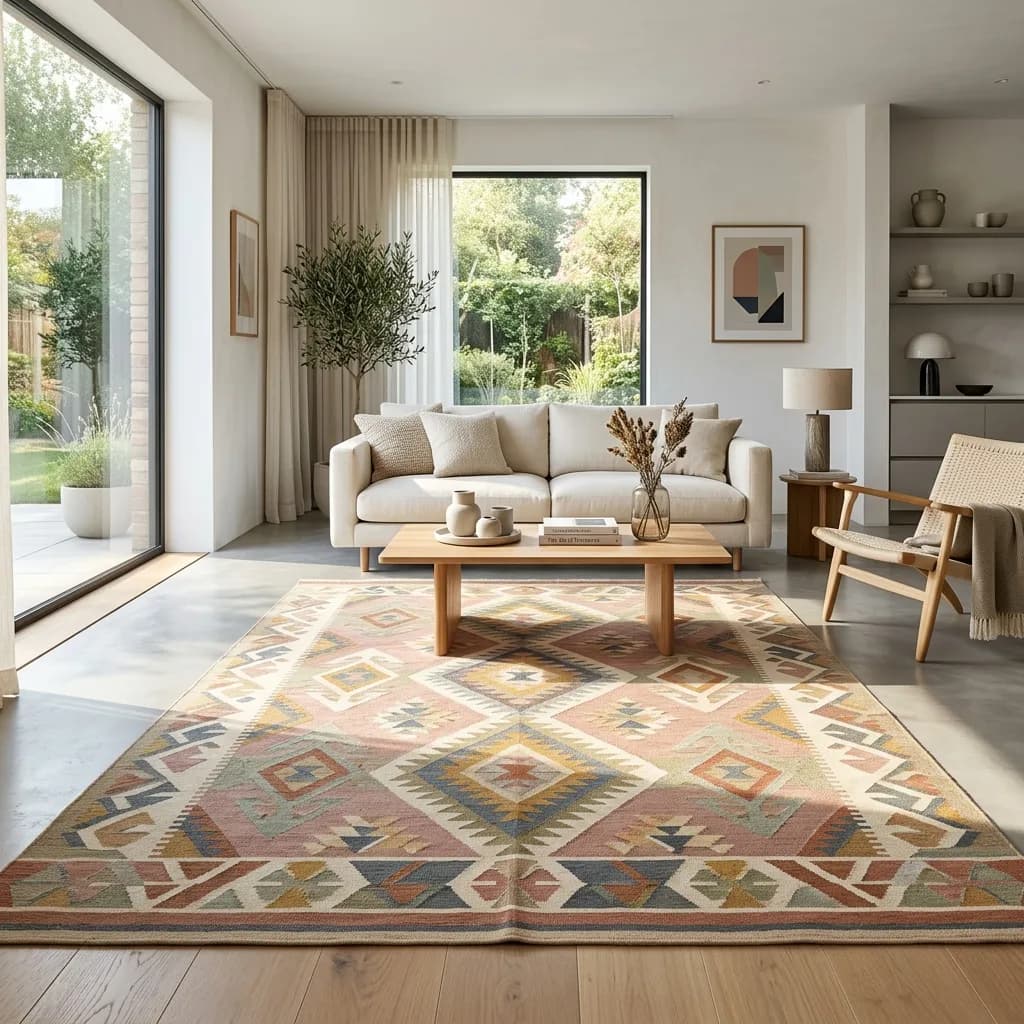
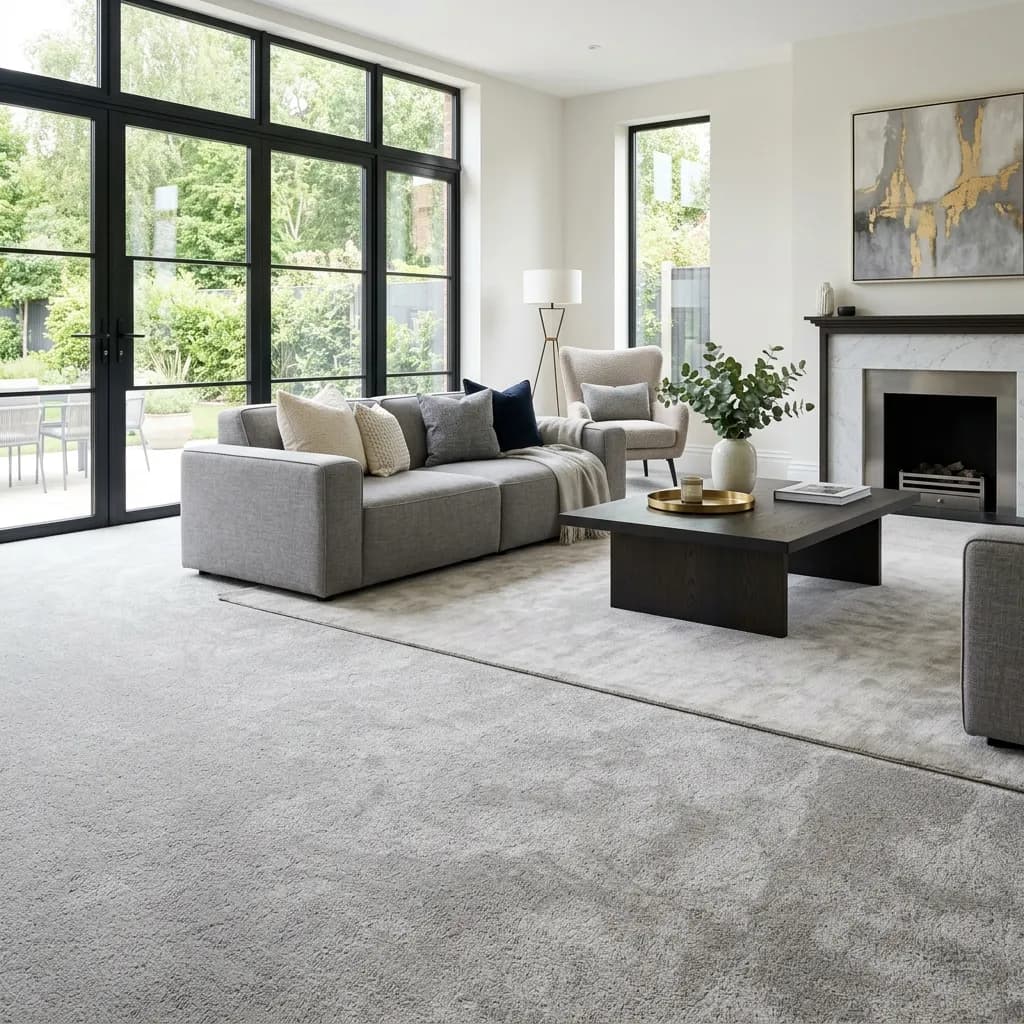
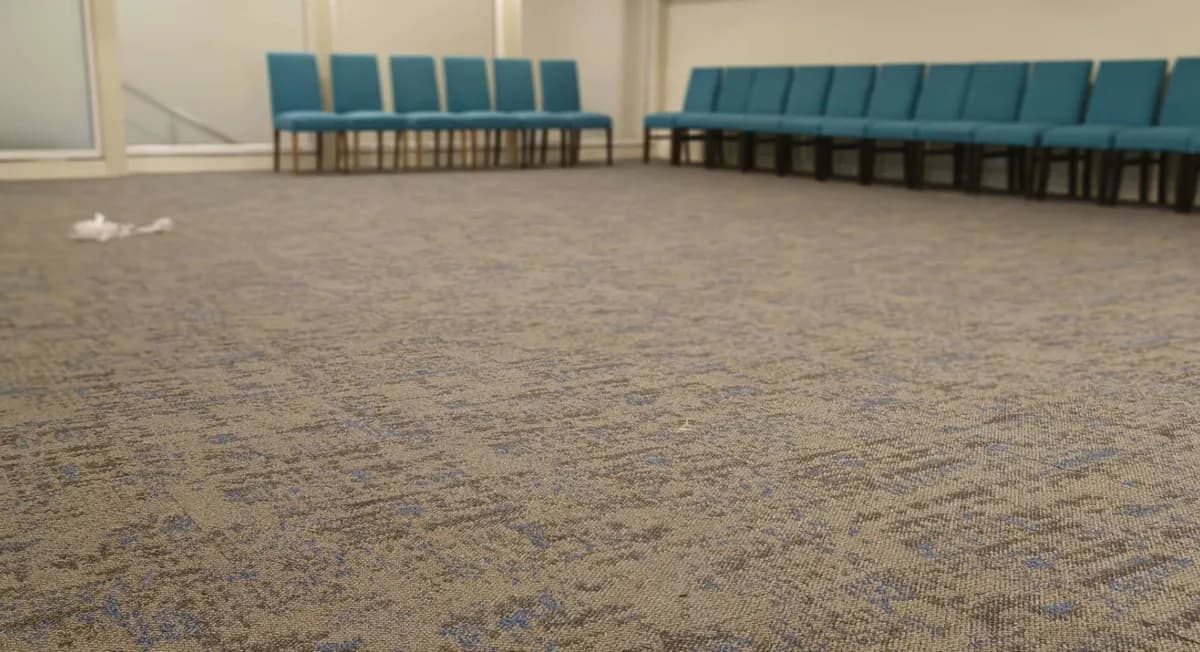
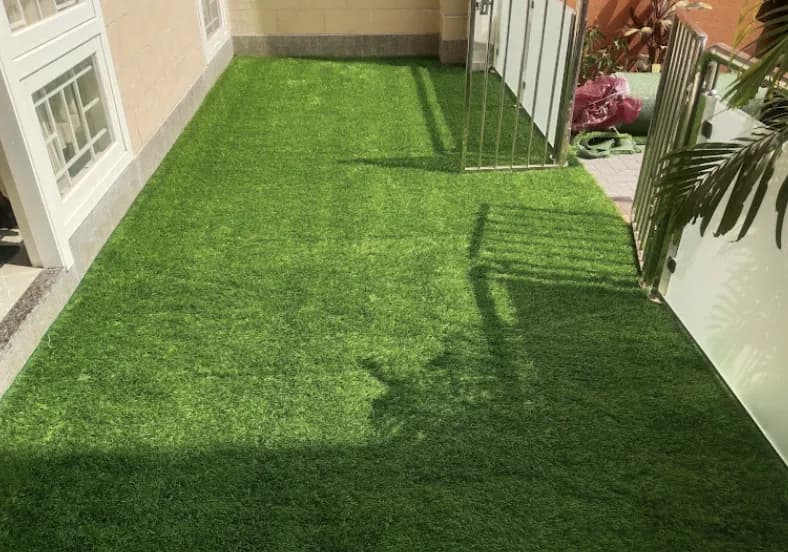
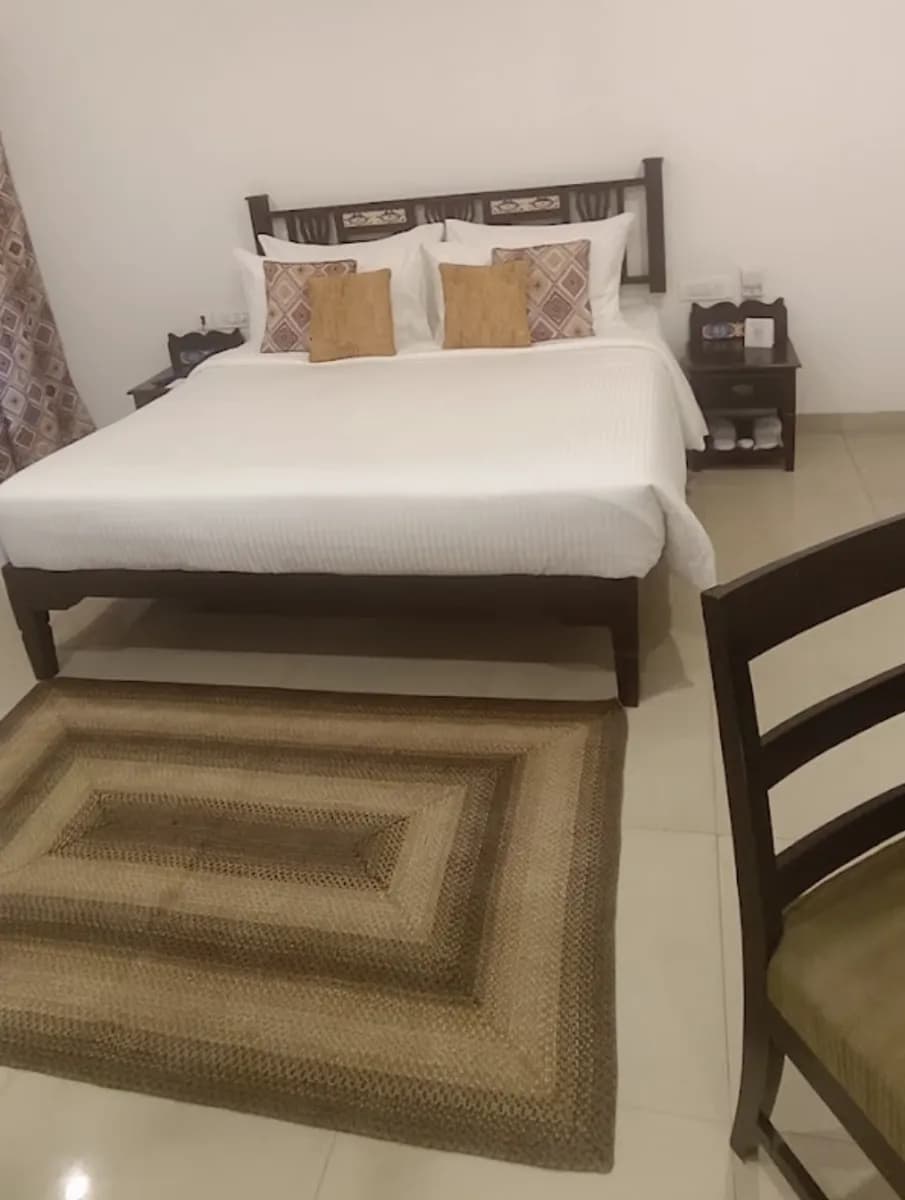
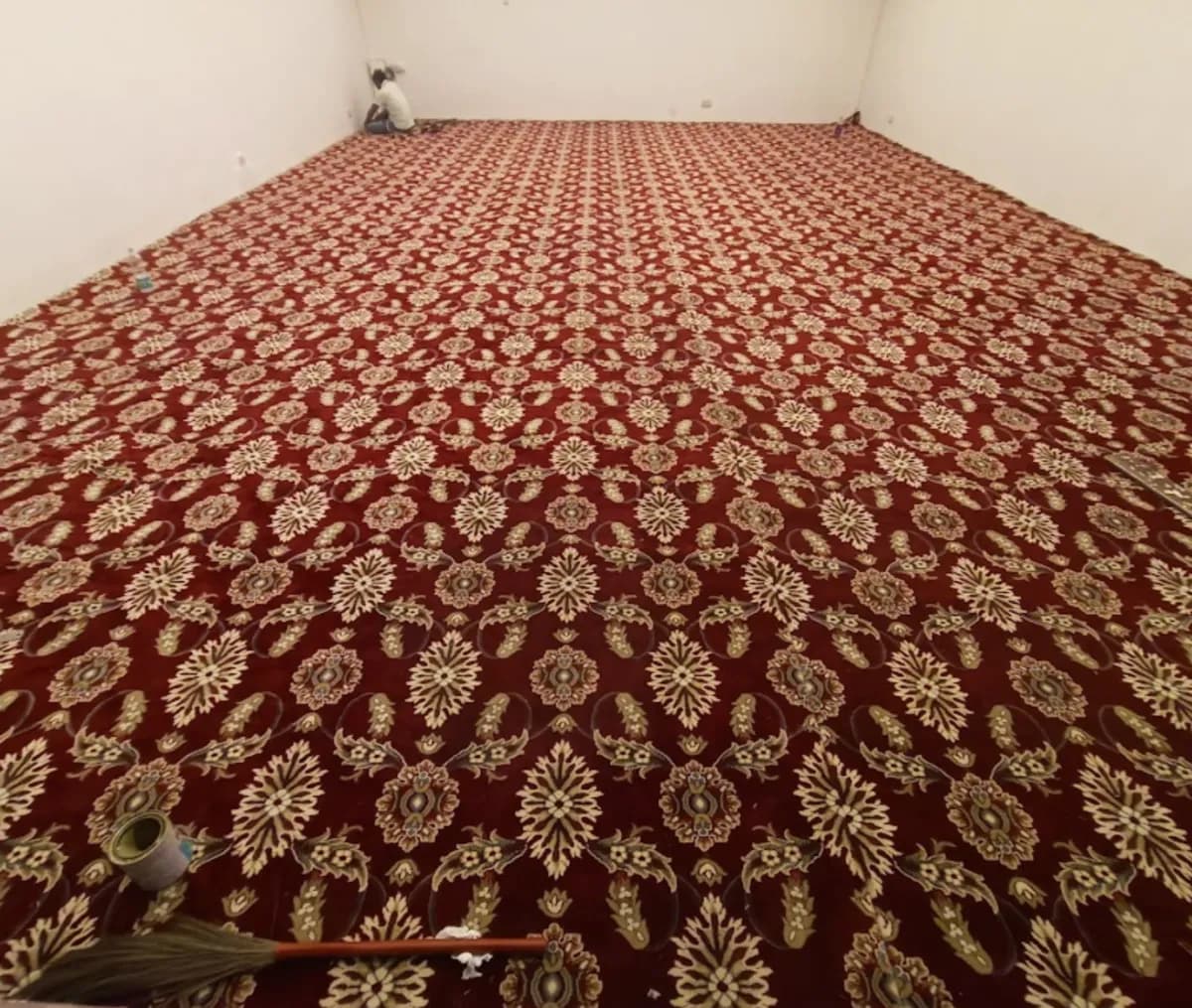
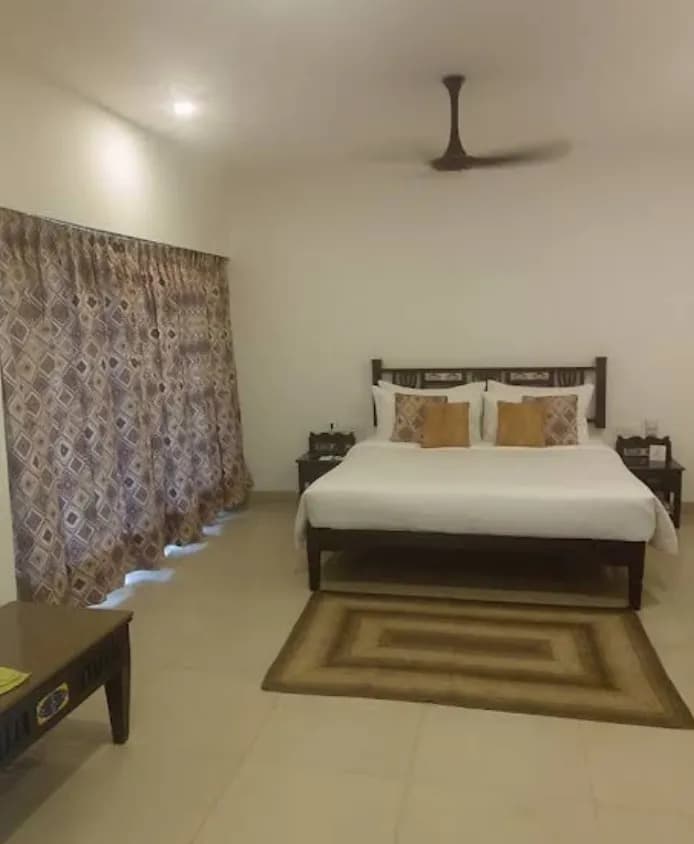
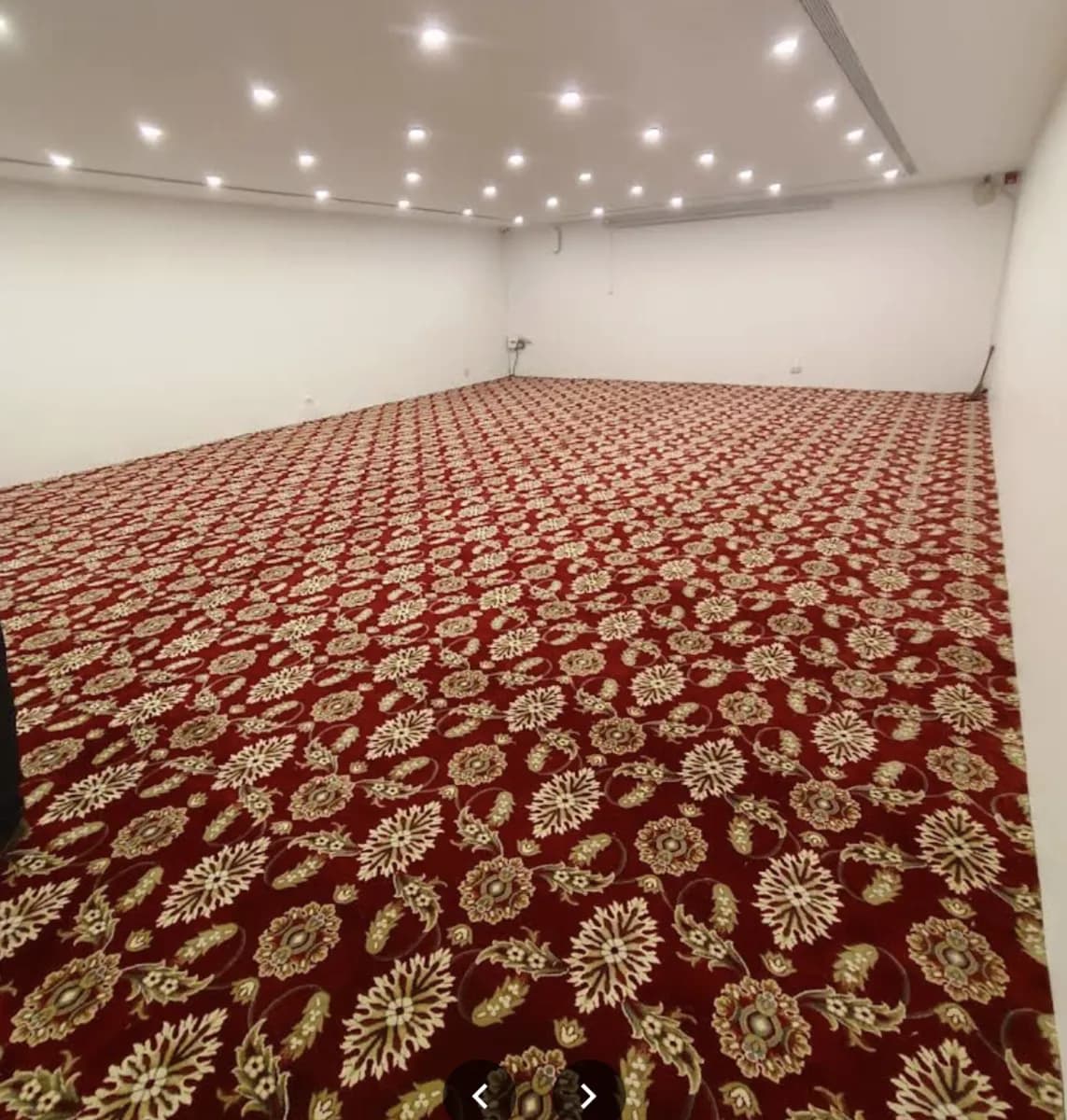
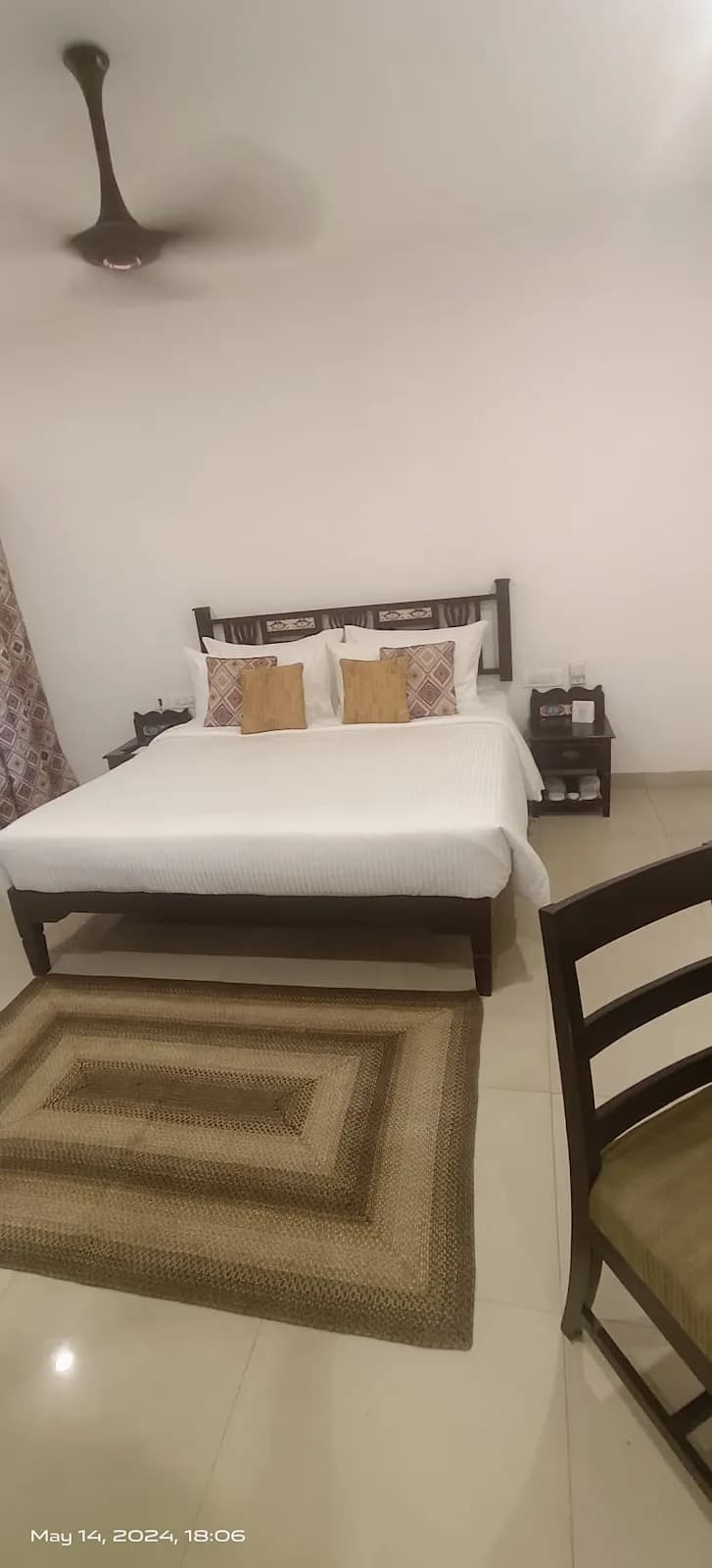
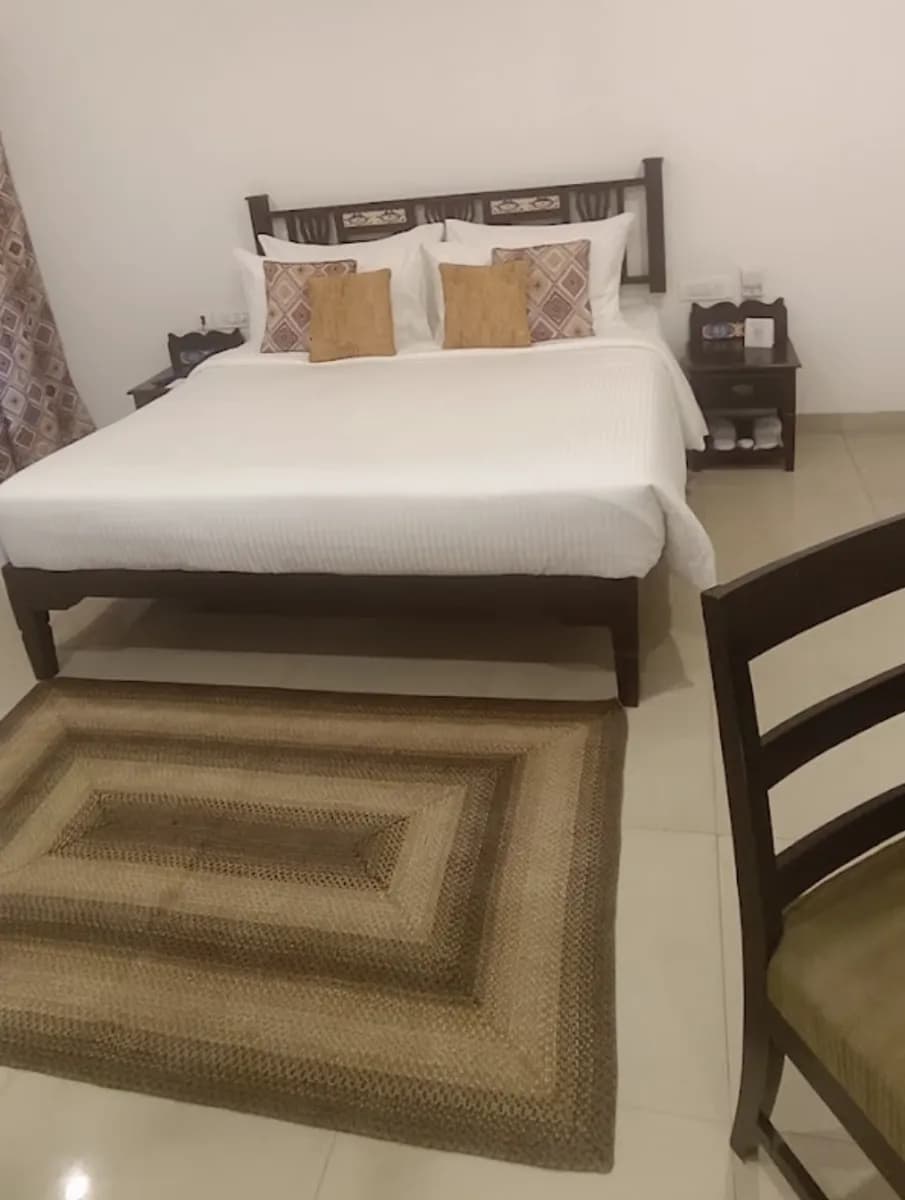
Sand is the fact of life for any floor covering in Agonda. It comes in on every foot from a beach that is never far from the door, and it grinds into a soft pile. Jute looks right with cane and wood, but it holds moisture in sea air and can smell, so the better choice is a polypropylene rug woven to look like sisal or jute. It shakes out, hoses down, dries on a railing and resists mildew. Keep rugs small and light, because everything has to be lifted, cleaned and stored dry when the beach-front closes for the monsoon. Fitted carpet has no place in a beach cottage.
- Beach cottages: small dark-patterned synthetic rugs beside the bed, shaken out daily and stored dry through the monsoon.
- Yoga and meditation rooms: flat-woven polypropylene in a natural sisal look, easy to roll away and free of loose pile.
- Veranda seating areas: a quick-drying synthetic rug, held down by the furniture so the west wind cannot lift it.
Agonda is a long, straight beach north of Palolem, with a church at one end and a single road running behind the sand. It is quieter than Palolem, known for its calm and for the turtles that nest on the beach, with beach cottages, yoga retreats and small resorts.
Properties are small resorts, cottages and village houses. The style is simple and natural: cotton, cane and wood. Outdoor seating and verandas matter as much as the rooms.
The beach is open to the west wind and salt spray, and the monsoon closes most of the beach-front for months. Natural fabrics look right here but need replacing more often than synthetics.
Sea-facing homes
Wool and jute hold moisture near the sea and can smell. Synthetic rugs in polypropylene or nylon dry quickly and resist mildew, and can be taken outside to air. Wall-to-wall carpet suits only air-conditioned rooms.
Holiday lets and guest houses
Choose dark, patterned, machine-made rugs for a let property. They hide sand and stains, cost little to replace, and can be washed between seasons.